Griddle spatulas
Two of them, stiff, with a bevelled edge. Everything else about spatula marketing is noise.
We earn a commission if you buy through our links, at no extra cost to you. That is how this site is paid for, and it does not decide what we recommend — full disclosure.
Quick picks
Ranked on published specifications using our scoring rubric. Tap a row for the full write-up.
| # | Product | Best for | Score | Price |
|---|---|---|---|---|
| 1 | Griddle Spatula PairThe two tools you actually use | The two tools you actually use | 8.7 | Check price on Amazon |
| 2 | 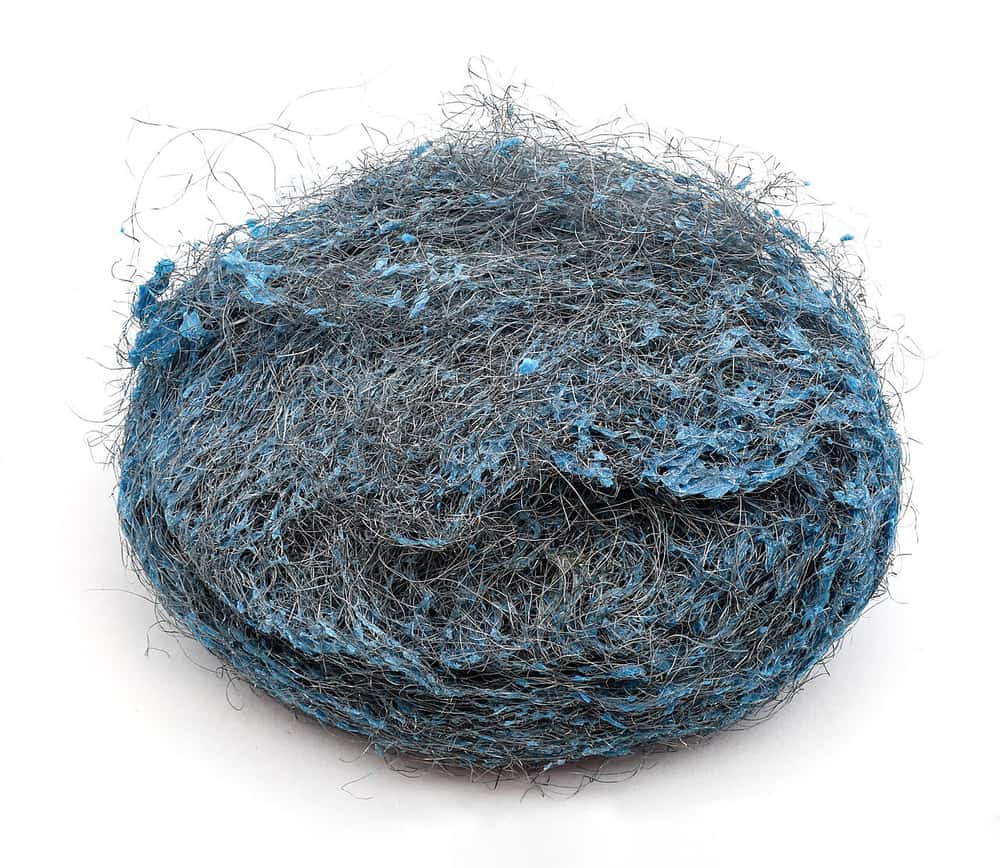 Griddle ScraperThe 60 seconds after every cook Griddle ScraperThe 60 seconds after every cook | The 60 seconds after every cook | 8.5 | Check price on Amazon |
| 3 |  Griddle Tool KitStarting from nothing Griddle Tool KitStarting from nothing | Starting from nothing | 7.9 | Check price on Amazon |
#ad We publish no prices: there is no verified price feed on this site, so the retailer’s page is the only price. How this is funded
Stiffness is the whole thing
A smash burger bonds to the steel. That bond is where the crust comes from — it is the point, not a problem. Lifting it requires getting a blade underneath and applying real force.
A flexible blade bends away from that force. It flexes upward and skates over the fond rather than cutting under it, and you end up tearing the patty and leaving the crust welded to the plate.
So the single question is: does the blade stay flat under pressure? That is what separates a griddle spatula from a kitchen turner, and it is why the flexible turners that come in 30-piece kits are the wrong tool for the one moment you need the right one.
A bevelled leading edge
The front edge has to wedge under the food rather than push against it. A bevel — a thinned, angled front edge — does that. A blunt, square-ended blade pushes.
The bevel also wears. When a spatula that used to slide under things starts pushing them, that is the leading edge rounding off.
Why two, always
Griddle technique works food against itself rather than against the plate.
- One to lift, one to steady — flipping something large without folding it.
- Two to gather, corralling diced onions or hash browns into a pile.
- One to hold food in place while the other scrapes under it.
- Chopping and turning simultaneously for anything diced.
A second spatula costs very little and roughly doubles what you can do.
Width and length
Wide enough to carry a whole patty without it drooping over the edges. Narrow enough to get between things on a crowded plate. Most griddle spatulas land in a sensible range here, so it is rarely the deciding factor.
Handle length matters more: long enough to keep your hand away from a 400 °F plate, short enough that it is not unwieldy on a tabletop griddle.
Handles and what fails
Riveted beats glued. A glued handle will eventually come loose on a tool that is repeatedly heated, and heat is the one thing a griddle tool is guaranteed to experience.
The trade-off with rivets is that the joint collects grease, so it needs occasional attention. That is an acceptable price for a handle that stays attached.
Wooden handles char at the joint if left resting on the griddle. Not a reason to avoid them, just a reason to put the spatula down somewhere else — which is one argument for a caddy.
Stainless, and what that buys
Stainless blades can be scraped, scrubbed and run through a dishwasher without degrading, and they do not add anything to food.
Unlike the griddle itself, there is no reason to prefer carbon steel in a spatula — nothing is being seasoned.
A spatula is not a scraper
Related tools, different jobs. A spatula lifts and turns food during cooking. A scraper clears the whole plate to the drain afterwards, and is wider, stiffer and blunter.
You can scrape with a spatula and it works adequately, which is why many people never buy a dedicated scraper. A proper scraper does it in fewer passes.
The picks in detail
Specifications are linked to their source on every card. Scores are ours, derived from those specifications.
#1 · The two tools you actually use
Griddle Spatula Pair
Two stiff, wide, bevelled-edge spatulas do 90% of griddle work — everything beyond that in a 30-piece kit is storage clutter.
#ad We publish no prices: there is no verified price feed on this site, so the retailer’s page is the only price. How this is funded
Key specifications
- What matters
- Blade stiffness — a flexible blade cannot lift a stuck smash burger
- What matters
- A bevelled front edge that gets under fond
- Width
- Wide enough to carry a whole patty, narrow enough to turn in a crowd
- Quantity
- Two — one to lift, one to steady
- Handle
- Riveted, not glued
- What fails first
- The handle rivet and the blade's leading edge
Scores
- Stiffness9.0
- Edge9.0
- Handle7.5
- Value8.5
What works
- A stiff bevelled blade is the difference between turning a smash burger and destroying one
- Two spatulas lets you work food against itself rather than against the plate
- Stainless blades can be scraped and scrubbed without degrading
What to know
- Thin, flexible 'griddle' spatulas sold in big kits are the wrong tool and are what most kits contain
- Long handles get in the way on a tabletop griddle
- Riveted handles collect grease at the joint
#2 · The 60 seconds after every cook
Griddle Scraper
A stiff, flat scraper used while the plate is still hot is the entire daily cleaning routine — everything else is an occasional job.
#ad We publish no prices: there is no verified price feed on this site, so the retailer’s page is the only price. How this is funded
Key specifications
- Blade
- Stiff and dead straight — a curved blade misses the middle
- Width
- Wide enough to clear a lane in one pass
- Handle
- Long enough to stay out of the heat
- When to use
- While the plate is still hot, right after cooking
- Pairs with
- Water, squirted on to steam-lift the residue
- What fails first
- The blade's leading edge, which rounds off
Specifications from Blackstone cleaning accessories.
Scores
- Stiffness9.0
- Edge8.5
- Handle7.5
- Value9.0
What works
- A hot plate releases residue that a cold plate will not — timing matters more than the tool
- One stiff scraper replaces an entire cleaning kit for daily use
- Nothing to wear out but the edge
What to know
- A rounded or flexible blade skates over the fond instead of lifting it
- Short-handled scrapers put your knuckles over a 400 °F plate
- Does not address rust or a flaking seasoning layer
#3 · Starting from nothing
Griddle Tool Kit
A reasonable way to start if you own no griddle tools at all — but the useful contents are a small subset of what the big kits advertise.
#ad We publish no prices: there is no verified price feed on this site, so the retailer’s page is the only price. How this is funded
Key specifications
- Must contain
- Two stiff spatulas
- Must contain
- A scraper
- Must contain
- Squeeze bottles for oil and water
- Nice to have
- A melting dome
- Usually filler
- Tongs, basting covers, skewers, extra turners
- Judge kits on
- Spatula stiffness, not piece count
Specifications from Blackstone accessory kits.
Scores
- Completeness8.0
- Tool quality6.5
- Storage6.0
- Value8.0
What works
- Cheaper than buying the three or four genuinely useful tools separately
- First-party kits are matched to the griddle's own dimensions
- Squeeze bottles are more useful than they look — oil control is most of griddle technique
What to know
- Piece count is a marketing number; a 30-piece kit is not three times better than a 10-piece one
- Kit spatulas are usually thinner than standalone ones
- You will end up storing tools you never use
Common questions
What makes a good griddle spatula?
Why do you need two griddle spatulas?
Are the spatulas in griddle accessory kits any good?
Is a spatula the same as a griddle scraper?
Sources
Every specification on this page came from one of these. If you find one of them has changed, tell us and we will correct it.
Read next
Griddle tool kits
What a kit genuinely needs to contain, what is filler, and when buying the tools separately is the better call.

Smash burger presses
Why mass decides whether a press works, why a domed face ruins the patty, and the one-press rule.
Griddle scrapers and stones
What makes a good scraper, what stones and bricks are actually for, and why confusing the two ruins seasoning.
Smash burgers on a griddle
The complete smash burger method, why each step is what it is, and the five mistakes that produce gray patties.
Griddle caddies
What a caddy needs to hold, why mounting is the hard part, and the side-shelf trap to avoid.

Cleaning a griddle after every cook
The complete after-cook routine, why timing matters more than tools, and the three things never to use on a seasoned surface.