Seasoning is the one part of griddle ownership surrounded by the most confident bad advice. Strip away the ritual and it is a simple physical process: you heat a very thin film of oil past its smoke point, the oil breaks down and cross-links into a hard polymer, and that polymer bonds to the steel. Repeat until the surface is dark, smooth and slick.
Everything that goes wrong with seasoning goes wrong for one of three reasons: too much oil, not enough heat, or the wrong expectation about how long it takes.
The one mistake that causes most failures
Too much oil. A seasoning coat should be applied and then wiped back until the surface looks almost dry — as though you made a mistake and removed it all. You did not. There is still a molecular film there, and that film is what polymerizes evenly.
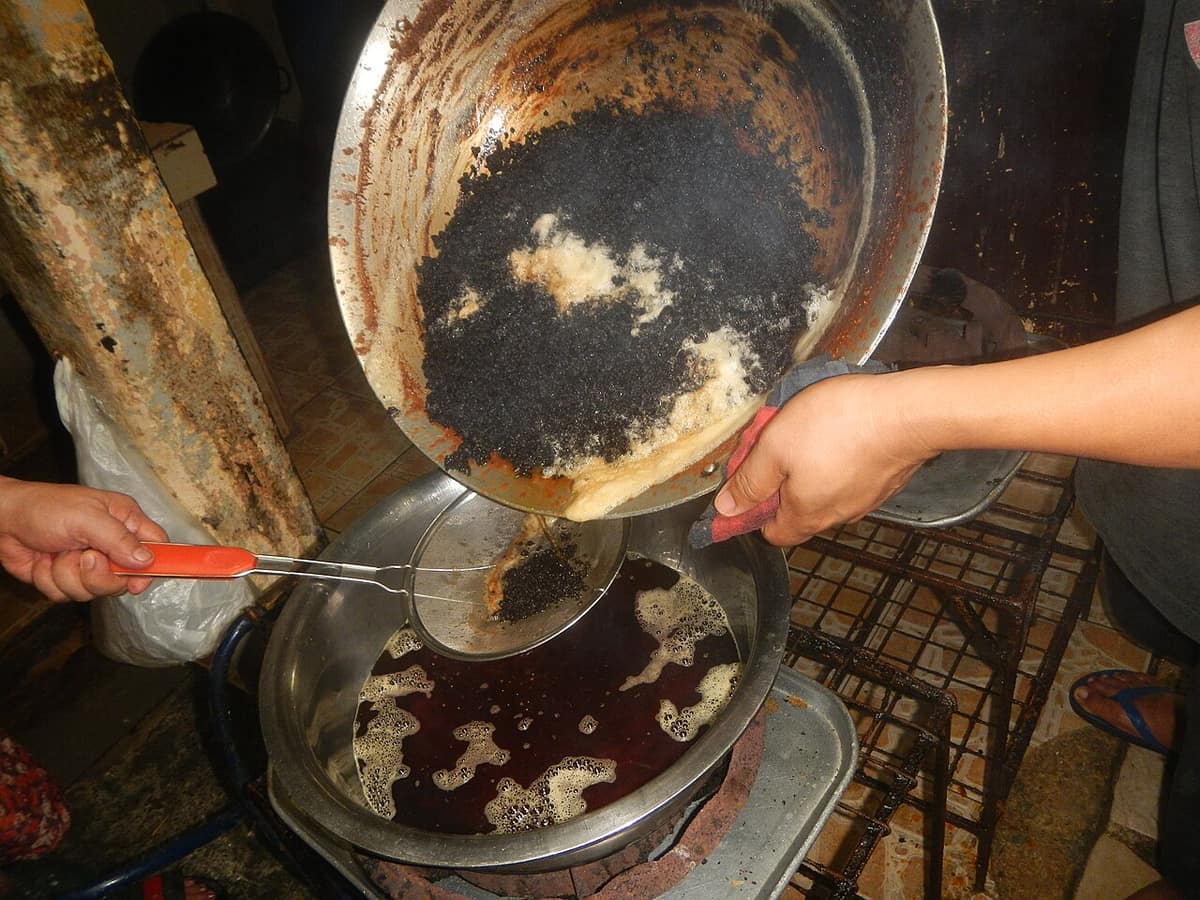
A visible, glossy layer of oil does not polymerize evenly. The top of the layer carbonizes while the bottom stays tacky, and you get the sticky, blotchy, eventually flaking finish that sends people to the internet convinced their griddle is defective. It is not. It has too much oil on it. If yours is already flaking, start here.
Oil choice matters less than people think — but it is not irrelevant
The requirement is a high smoke point, because you have to get the oil past that point for polymerization to happen at all. Beyond that, differences between suitable oils are small. Grapeseed, canola, avocado and refined sunflower all work. Extra virgin olive oil does not: its smoke point is too low, so it burns rather than polymerizing.
Branded griddle conditioners are blends formulated to the right viscosity and smoke point. They work, they are convenient, and they do nothing chemically that a suitable oil does not. That is a fair thing to pay for, but it is a convenience, not a requirement. Our oil comparison is here, and conditioners and waxes are covered separately.
Temperature is the part people under-do
You need the plate hot enough that the oil visibly smokes and then stops smoking. The “stops smoking” part is the signal: it means the volatile fraction has gone and what is left has set. Pull the heat before that and you have oil sitting on steel, not seasoning bonded to it.
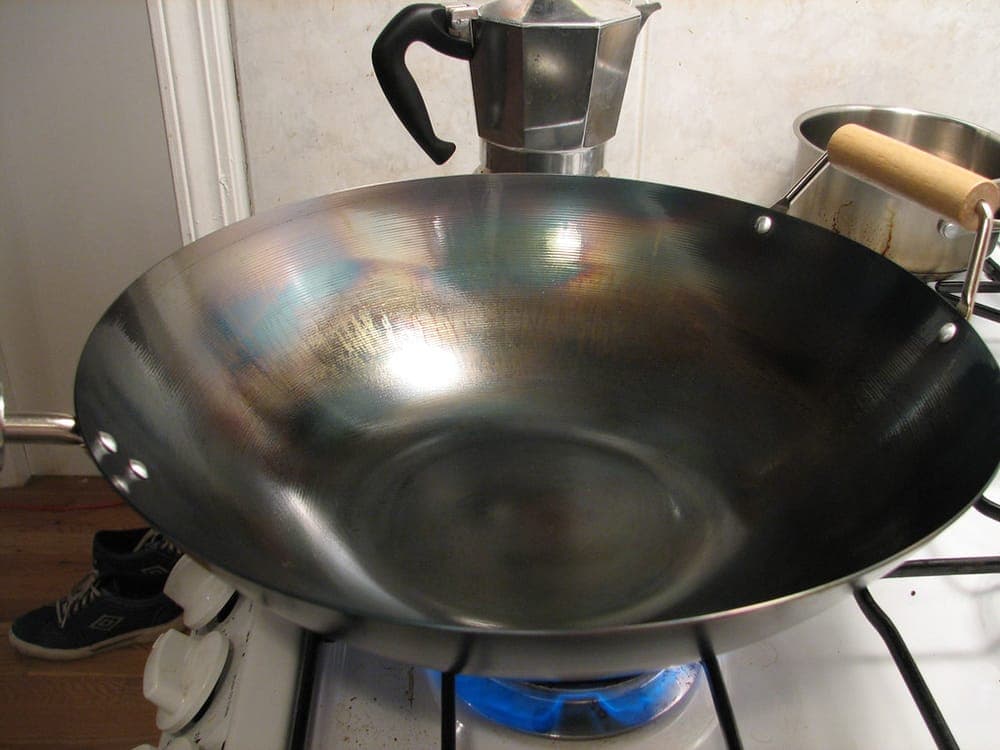
A first seasoning is three to five thin rounds. That gets you a usable, dark surface. It does not get you the glassy black finish in the photographs — that is the product of months of actual cooking, because every cook with fat in it adds another micro-layer.
This is the expectation that trips people up. A new griddle that looks patchy and bronze after its first seasoning is not a failed seasoning. It is a new griddle. The first-time walkthrough is here.
Maintenance seasoning is a different, much smaller job
After each cook: scrape while the plate is still hot, wipe, and lay down a very thin oil coat while it is still warm. That is it. That coat is both your rust protection until next time and your next micro-layer of seasoning.
A full re-season is only needed when the surface has genuinely degraded — after rust removal, after a strip-down, or after a long neglected period. How often you actually need to re-season goes into when that applies.
Brand-specific routines, where they differ
Most of this is universal, but the surfaces are not identical. A rust-resistant Weber Slate arrives pre-seasoned and asks for a different first-use routine than a bare Blackstone plate. A coated Pit Boss top should not be seasoned at all in the traditional sense. We cover Blackstone, Weber Slate, Traeger Flatrock and Pit Boss separately for exactly that reason.
Any refined oil with a high smoke point — grapeseed, canola, avocado or refined sunflower. The smoke point is what matters, because the oil has to pass it to polymerize. Extra virgin olive oil is the one common oil to avoid: it smokes too early and burns instead of setting.
How many coats does a first seasoning need?+
Three to five very thin coats. That gives you a usable, dark surface. The deep black finish you see in photographs comes from months of cooking on it, not from more coats on day one.
Why is my seasoning sticky?+
You used too much oil. A coat thick enough to see as a layer carbonizes on top while staying tacky underneath. Wipe each coat back until the surface looks almost dry before heating it, and heat until the smoking stops.
Do I need to season after every cook?+
Not a full seasoning. After each cook, scrape the plate while it is still hot and wipe on a very thin coat of oil while it is still warm. That coat is both your rust protection and your next micro-layer of seasoning. Full re-seasoning is only for after rust removal or a strip-down.