How often to season a griddle
Two different jobs get called seasoning, and confusing them is why people do far more work than they need to.
We earn a commission if you buy through our links, at no extra cost to you. That is how this site is paid for, and it does not decide what we recommend — full disclosure.
Quick picks
Ranked on published specifications using our scoring rubric. Tap a row for the full write-up.
| # | Product | Best for | Score | Price |
|---|---|---|---|---|
| 1 | 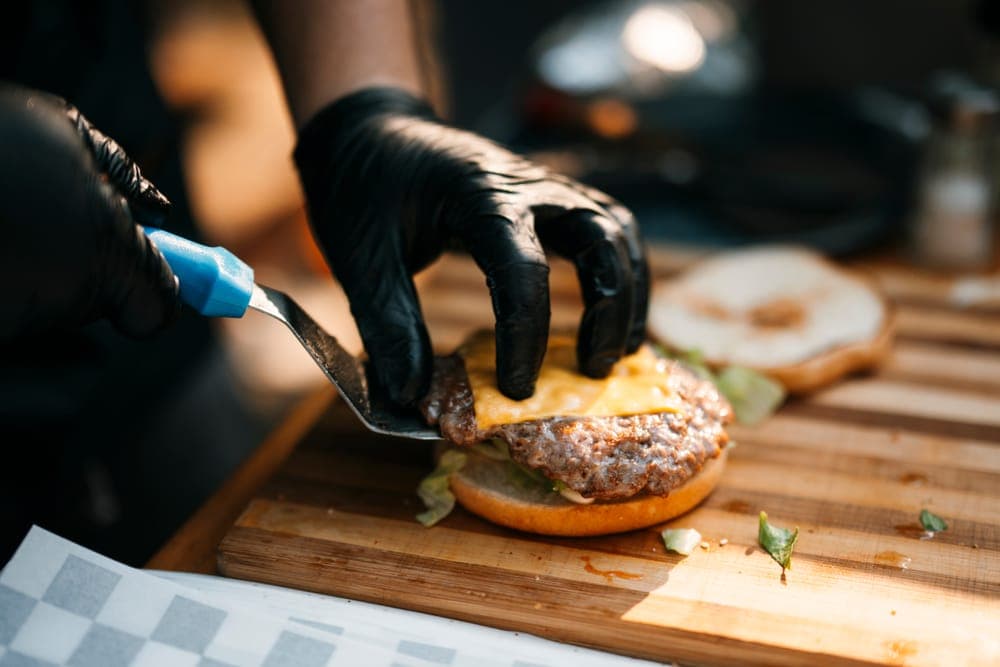 Squeeze Bottle SetOil control, which is most of the technique Squeeze Bottle SetOil control, which is most of the technique | Oil control, which is most of the technique | 8.3 | Check price on Amazon |
| 2 | 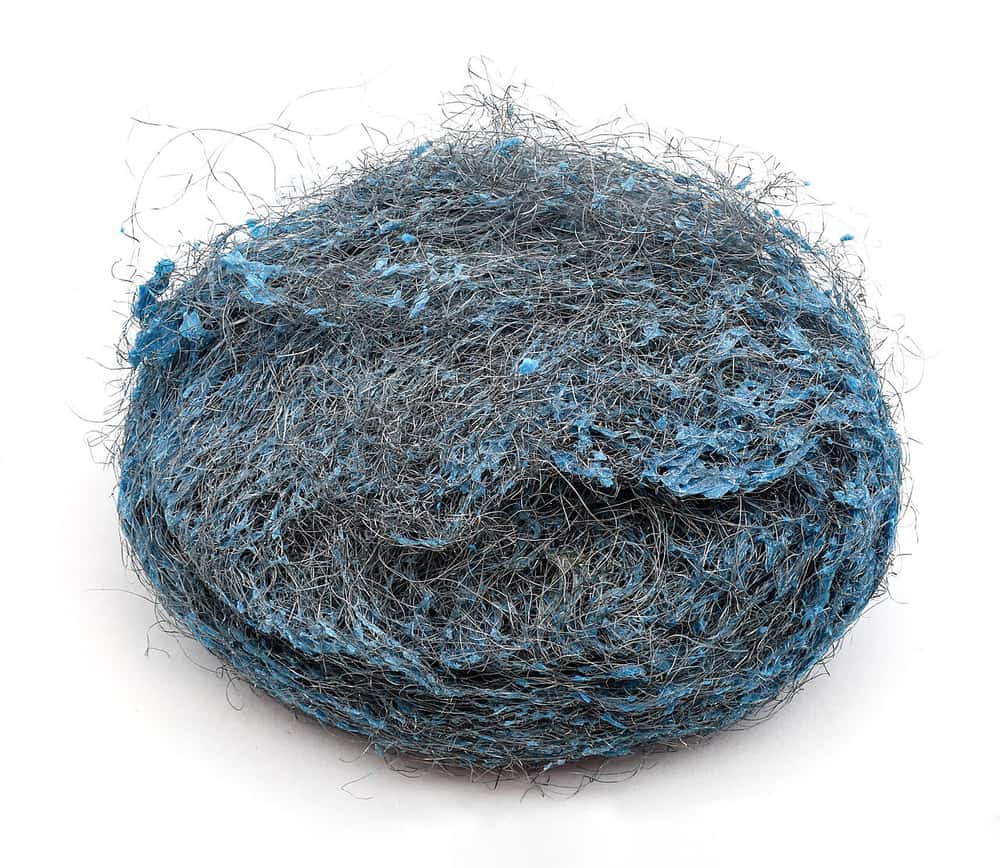 Griddle ScraperThe 60 seconds after every cook Griddle ScraperThe 60 seconds after every cook | The 60 seconds after every cook | 8.5 | Check price on Amazon |
| 3 |  Griddle Seasoning & ConditionerA convenient blend, not a magic one Griddle Seasoning & ConditionerA convenient blend, not a magic one | A convenient blend, not a magic one | 7.6 | Check price on Amazon |
#ad We publish no prices: there is no verified price feed on this site, so the retailer’s page is the only price. How this is funded
Two different jobs, one word
Maintenance oiling happens after every cook: scrape the hot plate, wipe, lay down a very thin oil film while it is still warm. Sixty seconds. This is both your rust protection until next time and your next micro-layer of seasoning.
Full re-seasoning is three to five coats from a clean surface. This is rare — it is a recovery operation, not routine maintenance.
Confusing the two is why people believe griddles are high-maintenance appliances. The daily job is a minute; the big job happens about as often as you have a problem.
The normal case: never, after the first time
A griddle used weekly and maintained with the sixty-second routine will never need a full re-season. Every cook with fat in it adds another layer, so the surface improves continuously — which is why an old, well-used griddle has a better cooking surface than a new one.
If you cook often, stop thinking about seasoning as a task. It is a byproduct of cooking.
The four situations that call for a full re-season
1. After rust removal
Taking rust off means abrading back to bare metal, which removes the seasoning with it. You are starting from scratch on that area, or on the whole plate. Rust removal.
2. After flaking
Flaking means over-thick layers failing. Once you have taken the loose material back to a sound layer, you rebuild with proper thin coats. Flaking seasoning.
3. After a deep clean with an abrasive
A pumice block or cleaning brick strips seasoning by design. That is fine and sometimes necessary, but you must re-season afterwards. The deep clean.
4. After long neglect
A griddle that sat uncovered for a season needs assessment rather than automatic re-seasoning — it may just need a clean and an oil film, or it may need a full reset.
Seasonal storage: the one scheduled job
Before a griddle sits unused for months, give it a deliberate heavier oil coat than usual and cover it properly. That is not seasoning in the polymerizing sense — it is a protective film for storage.
When you bring it back out, heat it, wipe off the storage oil, and cook. One thin seasoning round at that point is sensible, not mandatory.
Signs you actually need a re-season
- Food sticking badly when it did not before.
- Patchy appearance — bare metal showing through dark areas.
- Black flakes coming off into food.
- Visible rust, anywhere.
A surface that looks uneven in color but cooks fine does not need anything. Color is not the measure — performance is.
The over-seasoning trap
More seasoning is not better. Repeatedly piling on coats builds thickness, and thick layers are exactly what eventually flakes off.
If your griddle is cooking well, leave it alone. The best thing you can do for a working seasoning layer is cook on it and wipe it with oil afterwards.
The picks in detail
Specifications are linked to their source on every card. Scores are ours, derived from those specifications.
#1 · Oil control, which is most of the technique
Squeeze Bottle Set
Two bottles — one oil, one water — are the most underrated griddle tools there are, because dosing oil by eye is how food sticks or swims.
#ad We publish no prices: there is no verified price feed on this site, so the retailer’s page is the only price. How this is funded
Key specifications
- How many
- Two minimum: oil and water
- Tip
- Narrow, so you can lay a thin line rather than a puddle
- Water bottle use
- Steam-lifting residue and steaming under a dome
- Material
- Heat-tolerant — bottles sit near a hot plate
- Caps
- Must seal; open bottles collect everything
- Label them
- Oil and water look identical in an opaque bottle
Specifications from Blackstone accessories.
Scores
- Control9.0
- Material7.0
- Sealing7.5
- Value9.5
What works
- A thin controlled line of oil is the difference between a seared crust and a fried one
- The water bottle makes daily cleanup a 60-second job
- Trivially cheap for how much technique they unlock
What to know
- Wide-tip bottles over-dose oil and defeat the purpose
- Cheap plastic deforms if left on a hot side shelf
- Oil goes rancid in a bottle left outside for months
#2 · The 60 seconds after every cook
Griddle Scraper
A stiff, flat scraper used while the plate is still hot is the entire daily cleaning routine — everything else is an occasional job.
#ad We publish no prices: there is no verified price feed on this site, so the retailer’s page is the only price. How this is funded
Key specifications
- Blade
- Stiff and dead straight — a curved blade misses the middle
- Width
- Wide enough to clear a lane in one pass
- Handle
- Long enough to stay out of the heat
- When to use
- While the plate is still hot, right after cooking
- Pairs with
- Water, squirted on to steam-lift the residue
- What fails first
- The blade's leading edge, which rounds off
Specifications from Blackstone cleaning accessories.
Scores
- Stiffness9.0
- Edge8.5
- Handle7.5
- Value9.0
What works
- A hot plate releases residue that a cold plate will not — timing matters more than the tool
- One stiff scraper replaces an entire cleaning kit for daily use
- Nothing to wear out but the edge
What to know
- A rounded or flexible blade skates over the fond instead of lifting it
- Short-handled scrapers put your knuckles over a 400 °F plate
- Does not address rust or a flaking seasoning layer
#3 · A convenient blend, not a magic one
Griddle Seasoning & Conditioner
A blended conditioner is a reasonable convenience, but it does nothing a high-smoke-point oil applied thinly does not already do.
#ad We publish no prices: there is no verified price feed on this site, so the retailer’s page is the only price. How this is funded
Key specifications
- What it is
- A blend of oils and waxes with a high smoke point
- What it does
- The same polymerization any seasoning oil does
- Real advantage
- Consistency and a usable application viscosity
- Alternative
- Grapeseed, canola or avocado oil applied very thinly
- Application rule
- Thin to the point of looking dry, then heat until it stops smoking
- Common mistake
- Too much product — thick coats stay sticky and then flake
Specifications from Blackstone accessories.
Scores
- Effectiveness8.0
- Convenience8.5
- Smoke point8.5
- Value6.5
What works
- Formulated to the right viscosity, which makes a genuinely thin coat easy
- One product for seasoning and post-cook conditioning
- Removes the guesswork about smoke point
What to know
- Costs considerably more per application than a bottle of grapeseed oil
- Does not chemically do anything a suitable oil does not
- Marketed as a requirement; it is a convenience
Common questions
How often do you need to season a griddle?
When does a griddle need a full re-season?
Can you over-season a griddle?
How do I know if my griddle needs re-seasoning?
Sources
Every specification on this page came from one of these. If you find one of them has changed, tell us and we will correct it.
Read next
Seasoning a griddle for the first time
The complete first-seasoning process step by step, the three ways it goes wrong, and what a correct result actually looks like.
Why your griddle seasoning is flaking off
Why seasoning flakes, why adding more oil makes it worse, and how to take the surface back to a sound layer.

How to remove rust from a griddle
The complete rust removal process for a steel cooktop, how far to abrade, and the debris step most people skip.
How to deep clean a griddle
When a full reset is justified, the complete process, and the re-seasoning that has to follow it.

Cleaning a griddle after every cook
The complete after-cook routine, why timing matters more than tools, and the three things never to use on a seasoned surface.
The best oils for a griddle
Smoke points compared, which oils work and which burn, and an honest look at whether branded conditioners earn their price.