Cleaning a griddle after every cook
Sixty seconds while the plate is still hot, or twenty minutes tomorrow. Those are the options.

We earn a commission if you buy through our links, at no extra cost to you. That is how this site is paid for, and it does not decide what we recommend — full disclosure.
Quick picks
Ranked on published specifications using our scoring rubric. Tap a row for the full write-up.
| # | Product | Best for | Score | Price |
|---|---|---|---|---|
| 1 | 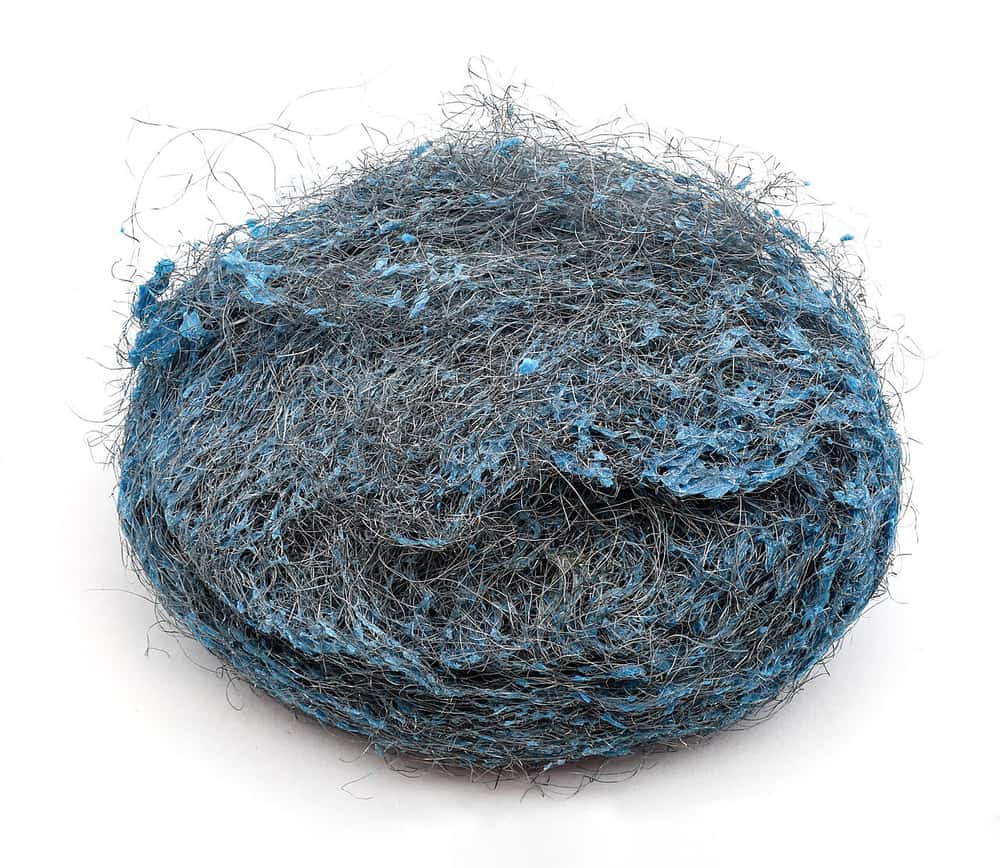 Griddle ScraperThe 60 seconds after every cook Griddle ScraperThe 60 seconds after every cook | The 60 seconds after every cook | 8.5 | Check price on Amazon |
| 2 |  Squeeze Bottle SetOil control, which is most of the technique Squeeze Bottle SetOil control, which is most of the technique | Oil control, which is most of the technique | 8.3 | Check price on Amazon |
| 3 |  Grease Cup LinersThe chore nobody wants to do Grease Cup LinersThe chore nobody wants to do | The chore nobody wants to do | 8.2 | Check price on Amazon |
#ad We publish no prices: there is no verified price feed on this site, so the retailer’s page is the only price. How this is funded
The timing is the technique
A hot plate releases residue that a cold plate will not. Protein bonds to steel as it cooks and then sets harder as it cools, so what lifts off in one pass while the griddle is still at temperature needs soaking and scrubbing the next day.
Everything else about griddle cleaning follows from this. The tools barely matter; doing it now rather than later matters enormously.
The routine
- Take the food off and leave the burners on. Do not turn the griddle off first — you want it hot for the next two steps.
- Scrape everything to the drain with a stiff, flat scraper. Work in lanes. Most of the residue comes off in this single pass.
- Squirt water on the hot plate. It will steam violently, and that steam lifts whatever is welded on. A squeeze bottle gives you control; a cup of water poured on is more thermal shock than you want.
- Scrape again. The steamed residue comes away easily.
- Wipe with paper towel held in tongs. The plate is still hot.
- Turn the burners off, and while the plate is still warm, lay a very thin oil film on. This is both rust protection and your next micro-layer of seasoning.
- Empty the grease cup if it needs it, and cover the griddle once it is cool.
That is sixty to ninety seconds of actual work.
Three things never to use
Soap
It strips the seasoning you have spent months building. The only time soap belongs on a seasoned griddle is during a deliberate full strip-and-reseason.
Degreaser
Same problem, faster. Degreaser is formulated to remove exactly the kind of polymerized oil layer that is your seasoning.
A wire brush
Wire brushes shed bristles. A bristle in food is a genuine medical hazard, and it is not a theoretical one — it is why wire brushes have fallen out of favor across outdoor cooking generally. Use a flat scraper.
On water and thermal shock
A modest squirt of water on a hot plate is standard technique and is what the steam-lift step depends on. Dumping a large volume of cold water on a very hot plate is different — that is the thermal shock that warps cooktops, and warping is permanent. Warping.
Use a squeeze bottle, use a little, and do not hose a screaming-hot griddle down.
The grease cup
Check it every cook and empty it before it is full, not after. An overflowing cup is a mess and, on a griddle near anything flammable, worse than a mess.
Liners turn this from a scraping job into lifting a liner out. Let the grease cool before disposing of it — hot grease melts the liner seam.
The drain channel itself needs scraping too, periodically. Liners do nothing for the channel.
Coated and electric griddles are different
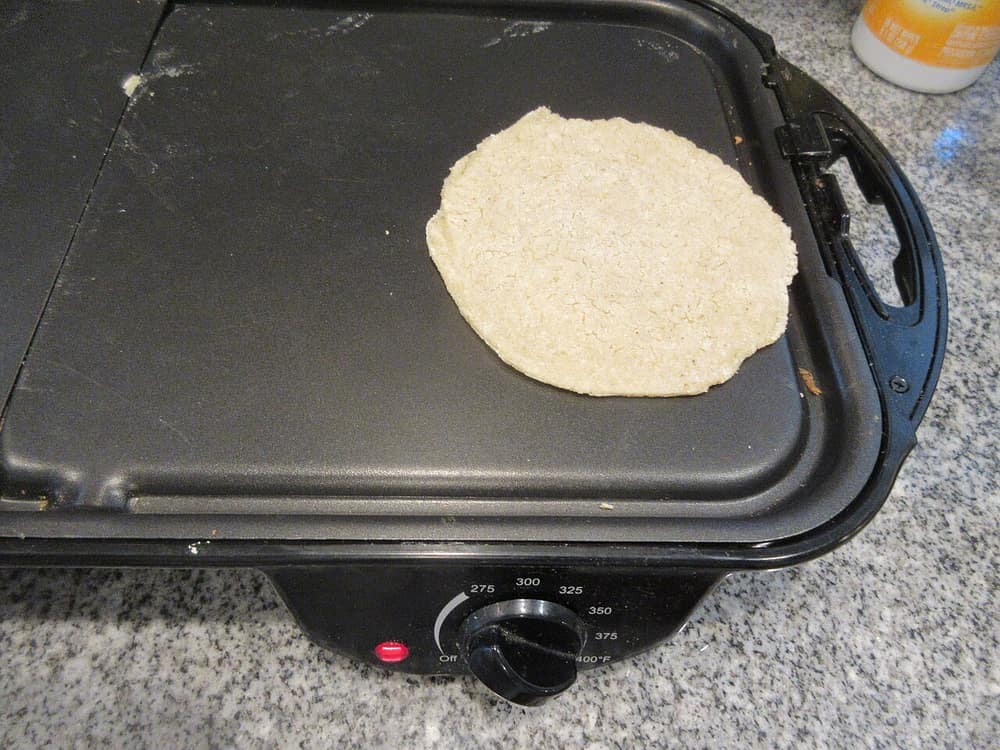
Everything above assumes a steel cooktop. A ceramic-coated or electric griddle must not be scraped with steel or abraded, and should not be oiled for seasoning. Electric griddle cleaning.
The picks in detail
Specifications are linked to their source on every card. Scores are ours, derived from those specifications.
#1 · The 60 seconds after every cook
Griddle Scraper
A stiff, flat scraper used while the plate is still hot is the entire daily cleaning routine — everything else is an occasional job.
#ad We publish no prices: there is no verified price feed on this site, so the retailer’s page is the only price. How this is funded
Key specifications
- Blade
- Stiff and dead straight — a curved blade misses the middle
- Width
- Wide enough to clear a lane in one pass
- Handle
- Long enough to stay out of the heat
- When to use
- While the plate is still hot, right after cooking
- Pairs with
- Water, squirted on to steam-lift the residue
- What fails first
- The blade's leading edge, which rounds off
Specifications from Blackstone cleaning accessories.
Scores
- Stiffness9.0
- Edge8.5
- Handle7.5
- Value9.0
What works
- A hot plate releases residue that a cold plate will not — timing matters more than the tool
- One stiff scraper replaces an entire cleaning kit for daily use
- Nothing to wear out but the edge
What to know
- A rounded or flexible blade skates over the fond instead of lifting it
- Short-handled scrapers put your knuckles over a 400 °F plate
- Does not address rust or a flaking seasoning layer
#2 · Oil control, which is most of the technique
Squeeze Bottle Set
Two bottles — one oil, one water — are the most underrated griddle tools there are, because dosing oil by eye is how food sticks or swims.
#ad We publish no prices: there is no verified price feed on this site, so the retailer’s page is the only price. How this is funded
Key specifications
- How many
- Two minimum: oil and water
- Tip
- Narrow, so you can lay a thin line rather than a puddle
- Water bottle use
- Steam-lifting residue and steaming under a dome
- Material
- Heat-tolerant — bottles sit near a hot plate
- Caps
- Must seal; open bottles collect everything
- Label them
- Oil and water look identical in an opaque bottle
Specifications from Blackstone accessories.
Scores
- Control9.0
- Material7.0
- Sealing7.5
- Value9.5
What works
- A thin controlled line of oil is the difference between a seared crust and a fried one
- The water bottle makes daily cleanup a 60-second job
- Trivially cheap for how much technique they unlock
What to know
- Wide-tip bottles over-dose oil and defeat the purpose
- Cheap plastic deforms if left on a hot side shelf
- Oil goes rancid in a bottle left outside for months
#3 · The chore nobody wants to do
Grease Cup Liners
Disposable liners turn emptying the grease cup from a scraping job into lifting a liner out — the highest convenience-per-dollar accessory here.
#ad We publish no prices: there is no verified price feed on this site, so the retailer’s page is the only price. How this is funded
Key specifications
- Match on
- Your griddle's cup shape — rear-drain and front-drain cups differ
- Material
- Foil or coated paper
- Why it matters
- Congealed grease in a bare cup has to be scraped out
- Frequency
- One per few cooks, depending on what you cook
- Disposal
- Cool completely first — hot grease melts the liner seam
- Not a substitute for
- Cleaning the drain channel itself
Scores
- Fit7.5
- Convenience9.5
- Durability7.0
- Value9.0
What works
- Removes the single most unpleasant part of griddle ownership
- Cheap, and genuinely consumable rather than optional
- Reduces the chance of a forgotten, overflowing cup
What to know
- Shapes are brand- and model-specific
- Does nothing about the drain channel, which still needs scraping
- Pouring hot grease in can melt the liner
Common questions
Should you clean a griddle while it is hot or cold?
Can you use soap on a griddle?
Is it safe to put water on a hot griddle?
Why shouldn't I use a wire brush on a griddle?
Sources
Every specification on this page came from one of these. If you find one of them has changed, tell us and we will correct it.
Read next

How to stop a griddle rusting
The oil-and-cover routine, why vents matter more than people think, and how to store a griddle over a wet season.
Griddle scrapers and stones
What makes a good scraper, what stones and bricks are actually for, and why confusing the two ruins seasoning.
How to deep clean a griddle
When a full reset is justified, the complete process, and the re-seasoning that has to follow it.
How often to season a griddle
After-cook oiling versus a full re-season: which is daily, which is rare, and the four situations that call for a reset.
Grease cup liners
Why liners are worth it, what they do not solve, the disposal mistake that melts them, and how to fit them.
How to clean an electric griddle
Why coated electric griddles need the opposite routine to steel ones, what is immersible, and what permanently damages them.