Grease cup liners
The highest convenience-per-dollar item in griddle ownership, and the one nobody mentions.
We earn a commission if you buy through our links, at no extra cost to you. That is how this site is paid for, and it does not decide what we recommend — full disclosure.
Quick picks
Ranked on published specifications using our scoring rubric. Tap a row for the full write-up.
| # | Product | Best for | Score | Price |
|---|---|---|---|---|
| 1 | Grease Cup LinersThe chore nobody wants to do | The chore nobody wants to do | 8.2 | Check price on Amazon |
| 2 | 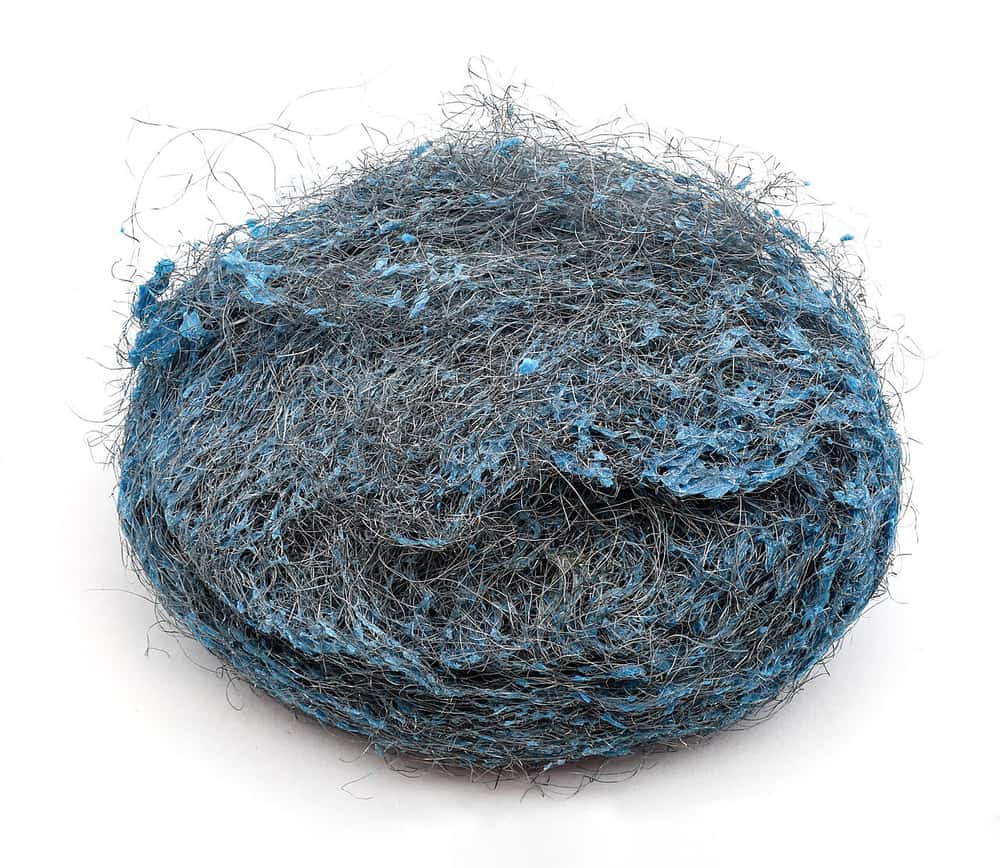 Griddle ScraperThe 60 seconds after every cook Griddle ScraperThe 60 seconds after every cook | The 60 seconds after every cook | 8.5 | Check price on Amazon |
| 3 | 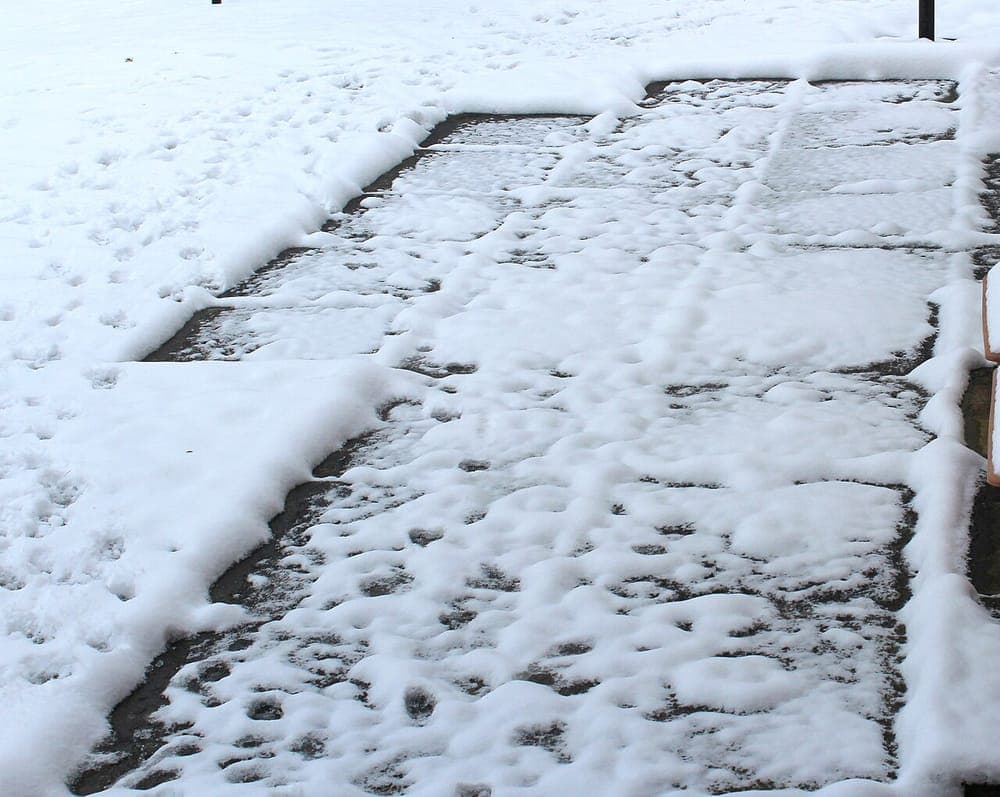 Griddle / Grill MatDecks, patios and rented space Griddle / Grill MatDecks, patios and rented space | Decks, patios and rented space | 7.8 | Check price on Amazon |
#ad We publish no prices: there is no verified price feed on this site, so the retailer’s page is the only price. How this is funded
The problem
Grease that has cooled in a metal cup is not liquid. It is a solid, adherent mass that has to be scraped out, and the cup then has to be cleaned before it goes back on.
It is the single most unpleasant job in griddle ownership, and it is why grease cups get left until they overflow — which is both messy and, near anything flammable, worse than messy.
What a liner does
A foil or coated-paper insert sits inside the cup. The grease collects in the liner rather than against the metal. When it is full you lift the liner out, dispose of it, and drop a new one in.
The cup never needs scraping. That is the entire product, and it costs very little.
Fitting: match the cup, not the brand
Cup geometry varies by griddle, and particularly between rear-drain and front-drain designs:
- Rear-drain cups (Blackstone’s pattern) are usually a specific shape that hangs at the back.
- Front-drain cups sit differently and are often a different diameter.
- Some griddles use a tray rather than a cup, which needs a different liner or a foil tray.
Check what your griddle actually has before ordering. A liner that does not fit properly lets grease run behind it, which is worse than no liner because you will not notice until the cup is a mess anyway.
The disposal mistake
Let the grease cool completely before disposing of it.
Hot grease poured into or carried in a paper-based liner can melt the seam, and you end up with hot grease on the ground, on your hands, or in a kitchen bin. This is the one way a liner makes things worse rather than better.
Cool, lift, fold, bin.
What liners do not solve
The drain channel. The channel running across the griddle to the drain hole still collects residue and still needs scraping as part of the after-cook routine. A liner catches what arrives in the cup; it does nothing about what is on the way there.
A neglected channel is also a contributing cause of the drainage complaints that dominate owner feedback.
How often to change them
Depends entirely on what you cook. A bacon-heavy breakfast for eight produces an enormous amount of rendered fat; a vegetable cook produces almost none.
Check every cook and change before full rather than after. On a 36-inch griddle cooking for a crowd, expect to change a liner more often than you would guess — volume cooking is where this accessory stops being a convenience and becomes the difference between cleaning up and dreading it.
The alternative
If no liner fits your cup, a disposable foil loaf pan or a foil-lined cup achieves most of the same thing for less money. Less tidy, same principle, and worth doing on an unusual griddle where proper liners are not available.
The picks in detail
Specifications are linked to their source on every card. Scores are ours, derived from those specifications.
#1 · The chore nobody wants to do
Grease Cup Liners
Disposable liners turn emptying the grease cup from a scraping job into lifting a liner out — the highest convenience-per-dollar accessory here.
#ad We publish no prices: there is no verified price feed on this site, so the retailer’s page is the only price. How this is funded
Key specifications
- Match on
- Your griddle's cup shape — rear-drain and front-drain cups differ
- Material
- Foil or coated paper
- Why it matters
- Congealed grease in a bare cup has to be scraped out
- Frequency
- One per few cooks, depending on what you cook
- Disposal
- Cool completely first — hot grease melts the liner seam
- Not a substitute for
- Cleaning the drain channel itself
Scores
- Fit7.5
- Convenience9.5
- Durability7.0
- Value9.0
What works
- Removes the single most unpleasant part of griddle ownership
- Cheap, and genuinely consumable rather than optional
- Reduces the chance of a forgotten, overflowing cup
What to know
- Shapes are brand- and model-specific
- Does nothing about the drain channel, which still needs scraping
- Pouring hot grease in can melt the liner
#2 · The 60 seconds after every cook
Griddle Scraper
A stiff, flat scraper used while the plate is still hot is the entire daily cleaning routine — everything else is an occasional job.
#ad We publish no prices: there is no verified price feed on this site, so the retailer’s page is the only price. How this is funded
Key specifications
- Blade
- Stiff and dead straight — a curved blade misses the middle
- Width
- Wide enough to clear a lane in one pass
- Handle
- Long enough to stay out of the heat
- When to use
- While the plate is still hot, right after cooking
- Pairs with
- Water, squirted on to steam-lift the residue
- What fails first
- The blade's leading edge, which rounds off
Specifications from Blackstone cleaning accessories.
Scores
- Stiffness9.0
- Edge8.5
- Handle7.5
- Value9.0
What works
- A hot plate releases residue that a cold plate will not — timing matters more than the tool
- One stiff scraper replaces an entire cleaning kit for daily use
- Nothing to wear out but the edge
What to know
- A rounded or flexible blade skates over the fond instead of lifting it
- Short-handled scrapers put your knuckles over a 400 °F plate
- Does not address rust or a flaking seasoning layer
#3 · Decks, patios and rented space
Griddle / Grill Mat
Protects whatever is under the griddle from the grease that will absolutely reach it — most relevant on wood decking and new concrete.
#ad We publish no prices: there is no verified price feed on this site, so the retailer’s page is the only price. How this is funded
Key specifications
- Size rule
- Wider than the griddle's footprint plus two feet of standing room
- Surface
- Must be non-slip when greasy
- Material
- Flame-resistant, not merely 'heat resistant'
- Cleaning
- Hoseable — a mat you cannot wash is a grease rag
- Most needed on
- Wood decking, composite decking, new concrete
- Least needed on
- Gravel and old stained concrete
Scores
- Coverage8.0
- Grip7.5
- Cleaning8.0
- Value7.5
What works
- Grease stains on composite decking are effectively permanent; a mat is far cheaper than the deck board
- Reduces the slip hazard right where you stand to cook
- Rolls up for storage unlike most griddle accessories
What to know
- A mat that is too small is worse than none — grease lands on the edge seam
- Cheap mats slide underfoot once greasy
- Not necessary at all on many surfaces
Common questions
Are grease cup liners worth it?
Do grease cup liners fit any griddle?
Can you pour hot grease into a liner?
Do liners mean I never have to clean the grease system?
Sources
Every specification on this page came from one of these. If you find one of them has changed, tell us and we will correct it.
Read next

Cleaning a griddle after every cook
The complete after-cook routine, why timing matters more than tools, and the three things never to use on a seasoned surface.
Griddle and grill mats
When a mat genuinely earns its place, when it is a wasted purchase, and the sizing rule that makes it work.
What griddle owners actually complain about
The four recurring real-world griddle complaints, what causes each, and which specs and accessories actually prevent them.

The best griddles for large families
Griddles for feeding six or more. Why zone count matters more than square inches once you are cooking in waves.
Griddle warping
What causes warping, why it is permanent, how to live with it, and which specs resist it.
Griddle caddies
What a caddy needs to hold, why mounting is the hard part, and the side-shelf trap to avoid.