Griddle and grill mats
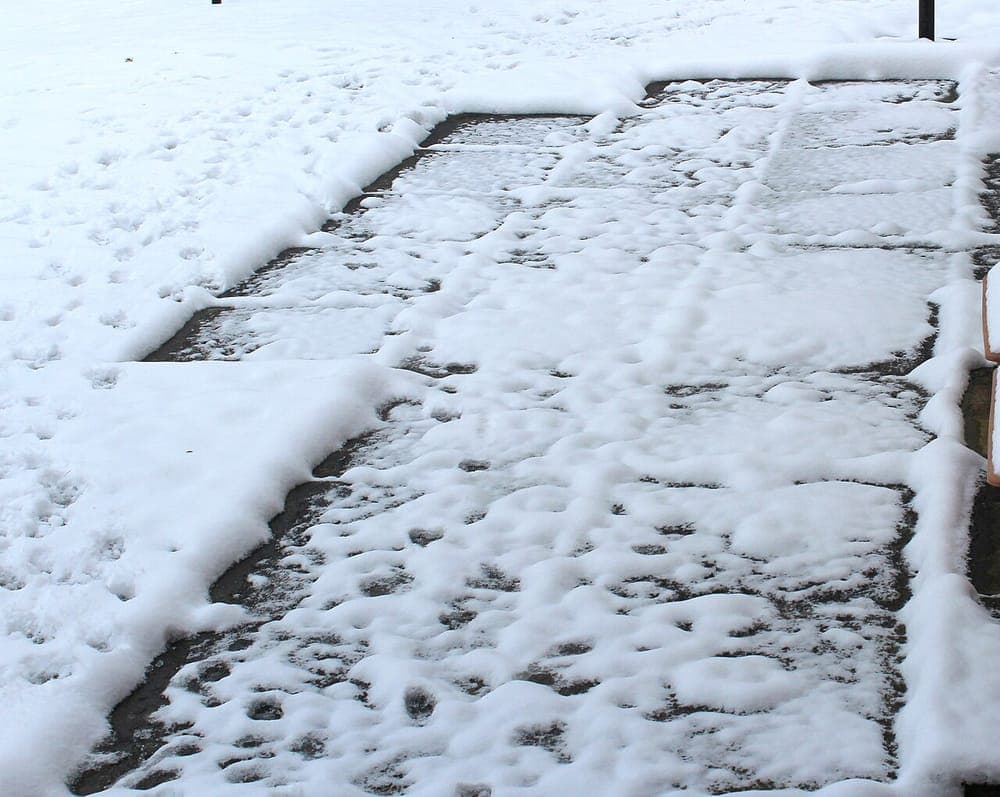
Necessary on wood and composite decking, pointless on gravel. Here is which one you have.
We earn a commission if you buy through our links, at no extra cost to you. That is how this site is paid for, and it does not decide what we recommend — full disclosure.
Quick picks
Ranked on published specifications using our scoring rubric. Tap a row for the full write-up.
| # | Product | Best for | Score | Price |
|---|---|---|---|---|
| 1 | Griddle / Grill MatDecks, patios and rented space | Decks, patios and rented space | 7.8 | Check price on Amazon |
| 2 |  Grease Cup LinersThe chore nobody wants to do Grease Cup LinersThe chore nobody wants to do | The chore nobody wants to do | 8.2 | Check price on Amazon |
| 3 | 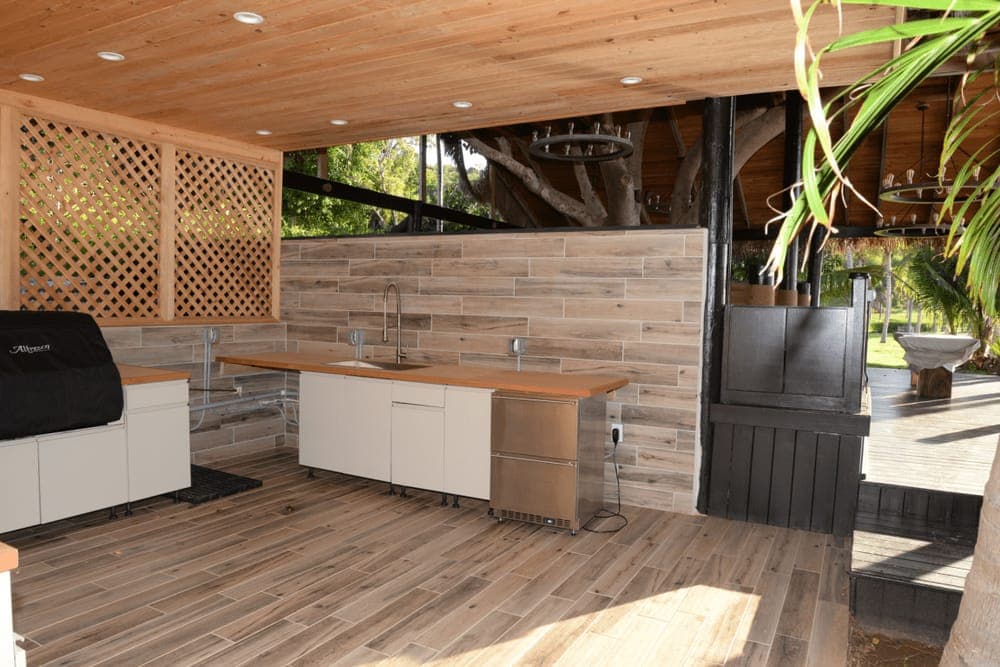 Griddle Cover (match your width)The single cheapest way to stop rust Griddle Cover (match your width)The single cheapest way to stop rust | The single cheapest way to stop rust | 8.9 | Check price on Amazon |
#ad We publish no prices: there is no verified price feed on this site, so the retailer’s page is the only price. How this is funded
Whether you need one depends entirely on your surface
Unlike a cover, which every bare-steel griddle needs, a mat is genuinely situational. We would rather tell you not to buy one than have you buy one you do not need.
Strongly worth it
- Composite decking. Grease staining on composite is effectively permanent — it penetrates and does not come out. A mat is dramatically cheaper than replacing deck boards.
- Wood decking. Grease soaks into the grain and darkens it permanently, and it is also a fire consideration under a hot appliance.
- New or sealed concrete. Stains badly and visibly.
- Rented property. Where someone else decides whether a stain is acceptable.
Not worth it
- Gravel. Nothing to protect.
- Old, already-stained concrete. The damage is done.
- Grass. A mat kills the grass under it faster than occasional grease will.
- A dedicated outdoor kitchen with a surface already specified for cooking.
Sizing: the rule that makes it work
Wider than the griddle’s footprint plus the area you stand in.
A mat exactly the size of the cart is nearly useless: grease spatters outward while you cook, and drips land where you handle food — which is in front of the griddle, not under it. Splashes also land on the seam at the edge, which then wicks underneath.
Err substantially larger. Two extra feet in front of the griddle is the useful part.
What to look for
Non-slip when greasy
The most important property and the one least often tested. A mat that grips on a dry patio and slides once grease lands on it is a hazard precisely where you are standing with hot food.
Flame resistant, not just heat resistant
Different claims. Heat resistance means it tolerates a warm appliance; flame resistance means it will not readily ignite from a dropped ember or a grease flare. Under a griddle you want the latter.
Hoseable
A mat you cannot wash becomes a grease-saturated rag, which is worse than the stain you were preventing. It needs to take a hose and a brush.
Rolls rather than folds
Folded mats hold creases that trap grease and become permanent lines. Rolling is better for both storage and longevity.
The complementary purchase
Most griddle-related mess comes from the grease cup and the drain, not from the plate. A liner and a disciplined after-cook routine prevent more mess than any mat catches.
The mat is for what gets past those — and something always does.
The picks in detail
Specifications are linked to their source on every card. Scores are ours, derived from those specifications.
#1 · Decks, patios and rented space
Griddle / Grill Mat
Protects whatever is under the griddle from the grease that will absolutely reach it — most relevant on wood decking and new concrete.
#ad We publish no prices: there is no verified price feed on this site, so the retailer’s page is the only price. How this is funded
Key specifications
- Size rule
- Wider than the griddle's footprint plus two feet of standing room
- Surface
- Must be non-slip when greasy
- Material
- Flame-resistant, not merely 'heat resistant'
- Cleaning
- Hoseable — a mat you cannot wash is a grease rag
- Most needed on
- Wood decking, composite decking, new concrete
- Least needed on
- Gravel and old stained concrete
Scores
- Coverage8.0
- Grip7.5
- Cleaning8.0
- Value7.5
What works
- Grease stains on composite decking are effectively permanent; a mat is far cheaper than the deck board
- Reduces the slip hazard right where you stand to cook
- Rolls up for storage unlike most griddle accessories
What to know
- A mat that is too small is worse than none — grease lands on the edge seam
- Cheap mats slide underfoot once greasy
- Not necessary at all on many surfaces
#2 · The chore nobody wants to do
Grease Cup Liners
Disposable liners turn emptying the grease cup from a scraping job into lifting a liner out — the highest convenience-per-dollar accessory here.
#ad We publish no prices: there is no verified price feed on this site, so the retailer’s page is the only price. How this is funded
Key specifications
- Match on
- Your griddle's cup shape — rear-drain and front-drain cups differ
- Material
- Foil or coated paper
- Why it matters
- Congealed grease in a bare cup has to be scraped out
- Frequency
- One per few cooks, depending on what you cook
- Disposal
- Cool completely first — hot grease melts the liner seam
- Not a substitute for
- Cleaning the drain channel itself
Scores
- Fit7.5
- Convenience9.5
- Durability7.0
- Value9.0
What works
- Removes the single most unpleasant part of griddle ownership
- Cheap, and genuinely consumable rather than optional
- Reduces the chance of a forgotten, overflowing cup
What to know
- Shapes are brand- and model-specific
- Does nothing about the drain channel, which still needs scraping
- Pouring hot grease in can melt the liner
#3 · The single cheapest way to stop rust
Griddle Cover (match your width)
The accessory that decides whether a bare-steel griddle survives its first wet season — buy it sized to your griddle's width, not approximately.
#ad We publish no prices: there is no verified price feed on this site, so the retailer’s page is the only price. How this is funded
Key specifications
- Match on
- Griddle width: 17, 22, 28 or 36 in
- Also match
- Hood vs no hood — a hood changes the height
- Critical feature
- Vents, so trapped moisture can escape
- Critical feature
- Straps or a cinch, or wind lifts it off
- What fails first
- Seams and the elastic hem
- Common mistake
- A cover that fits loosely holds water against the top
Scores
- Fit9.0
- Durability7.0
- Rust protection9.5
- Value9.0
What works
- A vented, correctly sized cover prevents more griddle deaths than any other single purchase
- Cheap relative to the surface it protects
- Works with the hard cover rather than instead of it — the hard cover keeps rain off the plate, the soft cover keeps it off the cart
What to know
- An unvented cover is worse than no cover: it traps condensation against bare steel
- Sizes are not interchangeable between brands even at the same stated width
- Covers are consumables — UV destroys them in a few seasons
Common questions
Do I need a mat under my griddle?
What size griddle mat do I need?
What should I look for in a griddle mat?
Will a griddle mat stop all the mess?
Sources
Every specification on this page came from one of these. If you find one of them has changed, tell us and we will correct it.
Read next
Grease cup liners
Why liners are worth it, what they do not solve, the disposal mistake that melts them, and how to fit them.
Griddle covers, by size and burner count
Covers sized by width, hood configuration and burner count, why vents are non-negotiable, and what wears out first.

Cleaning a griddle after every cook
The complete after-cook routine, why timing matters more than tools, and the three things never to use on a seasoned surface.
Griddle wind guards
Why wind costs you more heat than you would expect, what a guard must cover to work, and when you do not need one.
Are flat-top griddles worth it?
What a griddle genuinely wins at, what it loses at, the ongoing costs nobody mentions, and who should not buy one.

Griddle caddies
What a caddy needs to hold, why mounting is the hard part, and the side-shelf trap to avoid.