Seasoning a griddle for the first time
An hour of work, three mistakes to avoid, and one expectation to correct before you start.
We earn a commission if you buy through our links, at no extra cost to you. That is how this site is paid for, and it does not decide what we recommend — full disclosure.
Quick picks
Ranked on published specifications using our scoring rubric. Tap a row for the full write-up.
| # | Product | Best for | Score | Price |
|---|---|---|---|---|
| 1 |  Squeeze Bottle SetOil control, which is most of the technique Squeeze Bottle SetOil control, which is most of the technique | Oil control, which is most of the technique | 8.3 | Check price on Amazon |
| 2 |  Griddle ScraperThe 60 seconds after every cook Griddle ScraperThe 60 seconds after every cook | The 60 seconds after every cook | 8.5 | Check price on Amazon |
| 3 |  Griddle Seasoning & ConditionerA convenient blend, not a magic one Griddle Seasoning & ConditionerA convenient blend, not a magic one | A convenient blend, not a magic one | 7.6 | Check price on Amazon |
#ad We publish no prices: there is no verified price feed on this site, so the retailer’s page is the only price. How this is funded
Correct this expectation first
A correctly seasoned new griddle does not look like the glassy black surfaces in product photography. After a first seasoning it looks dark bronze to brown, probably slightly uneven, and a bit dull.
That is right. The deep black finish is the product of months of cooking, because every cook with fat in it adds another micro-layer. Expecting it on day one is what makes people apply thicker coats, which is the one mistake that genuinely ruins a seasoning.
What you need
- A high-smoke-point oil — grapeseed, canola or refined avocado. Oils compared.
- Paper towels, and tongs to hold them.
- Heat-resistant gloves.
- A scraper and ideally a thermometer.
- About an hour and a half, and a full propane tank.
The process
- Wash the new plate once. Warm soapy water, then rinse and dry completely. This is the only time soap touches the griddle — you are removing manufacturing residue, not cleaning food. Dry it thoroughly; bare steel will start to rust within minutes of sitting wet.
- Heat it dry. All burners on high until the plate darkens slightly and any residual moisture has gone. Ten to fifteen minutes.
- Apply the first coat — thinly. A small amount of oil, spread over the whole surface including the edges and up the sides, then wipe it back until the surface looks almost dry. It should look like you made a mistake and removed it all. You did not: there is still a molecular film there, and that film is what polymerizes evenly.
- Heat until the smoking stops. The plate will smoke heavily, then the smoke will thin and stop. That is the signal: the volatile fraction has gone and what remains has set. Usually fifteen to twenty minutes. Do not pull the heat early.
- Repeat three to five times. Each round the surface gets darker and smoother.
- Cook something fatty. Bacon is the traditional choice for good reason: it lays down another layer while you cook.
The three ways it goes wrong
1. Too much oil — by far the most common
A visible, glossy layer does not polymerize evenly. The top carbonizes while the bottom stays tacky, and you get a sticky, blotchy finish that eventually flakes off.
If a coat looks wet, it is too thick. Wipe more off.
2. Not enough heat, or not for long enough
If you pull the heat while it is still smoking, the oil has not finished setting. You have oil sitting on steel rather than seasoning bonded to it, and the next coat goes on top of something unstable.
Wait for the smoking to stop, every round. Temperature in detail.
3. Expecting black in one session
Covered above, and worth repeating because it causes mistake one.
If your griddle came pre-seasoned
A Weber Slate or a pre-seasoned Pit Boss plate does not need this process — you can cook on it immediately. Follow the manufacturer’s first-use guidance instead, which is usually a wipe and a heat cycle.
A coated griddle — armored ceramic, porcelain enamel — must not be seasoned at all. There is nothing for the polymer to bond to and you will simply bake oil onto a non-stick surface. Which surface you have.
Afterwards
Maintenance is a much smaller job: scrape while hot after each cook, thin oil coat while warm, cover it. That coat is both your rust protection and your next micro-layer. When a full re-season is actually needed.
The picks in detail
Specifications are linked to their source on every card. Scores are ours, derived from those specifications.
#1 · Oil control, which is most of the technique
Squeeze Bottle Set
Two bottles — one oil, one water — are the most underrated griddle tools there are, because dosing oil by eye is how food sticks or swims.
#ad We publish no prices: there is no verified price feed on this site, so the retailer’s page is the only price. How this is funded
Key specifications
- How many
- Two minimum: oil and water
- Tip
- Narrow, so you can lay a thin line rather than a puddle
- Water bottle use
- Steam-lifting residue and steaming under a dome
- Material
- Heat-tolerant — bottles sit near a hot plate
- Caps
- Must seal; open bottles collect everything
- Label them
- Oil and water look identical in an opaque bottle
Specifications from Blackstone accessories.
Scores
- Control9.0
- Material7.0
- Sealing7.5
- Value9.5
What works
- A thin controlled line of oil is the difference between a seared crust and a fried one
- The water bottle makes daily cleanup a 60-second job
- Trivially cheap for how much technique they unlock
What to know
- Wide-tip bottles over-dose oil and defeat the purpose
- Cheap plastic deforms if left on a hot side shelf
- Oil goes rancid in a bottle left outside for months
#2 · The 60 seconds after every cook
Griddle Scraper
A stiff, flat scraper used while the plate is still hot is the entire daily cleaning routine — everything else is an occasional job.
#ad We publish no prices: there is no verified price feed on this site, so the retailer’s page is the only price. How this is funded
Key specifications
- Blade
- Stiff and dead straight — a curved blade misses the middle
- Width
- Wide enough to clear a lane in one pass
- Handle
- Long enough to stay out of the heat
- When to use
- While the plate is still hot, right after cooking
- Pairs with
- Water, squirted on to steam-lift the residue
- What fails first
- The blade's leading edge, which rounds off
Specifications from Blackstone cleaning accessories.
Scores
- Stiffness9.0
- Edge8.5
- Handle7.5
- Value9.0
What works
- A hot plate releases residue that a cold plate will not — timing matters more than the tool
- One stiff scraper replaces an entire cleaning kit for daily use
- Nothing to wear out but the edge
What to know
- A rounded or flexible blade skates over the fond instead of lifting it
- Short-handled scrapers put your knuckles over a 400 °F plate
- Does not address rust or a flaking seasoning layer
#3 · A convenient blend, not a magic one
Griddle Seasoning & Conditioner
A blended conditioner is a reasonable convenience, but it does nothing a high-smoke-point oil applied thinly does not already do.
#ad We publish no prices: there is no verified price feed on this site, so the retailer’s page is the only price. How this is funded
Key specifications
- What it is
- A blend of oils and waxes with a high smoke point
- What it does
- The same polymerization any seasoning oil does
- Real advantage
- Consistency and a usable application viscosity
- Alternative
- Grapeseed, canola or avocado oil applied very thinly
- Application rule
- Thin to the point of looking dry, then heat until it stops smoking
- Common mistake
- Too much product — thick coats stay sticky and then flake
Specifications from Blackstone accessories.
Scores
- Effectiveness8.0
- Convenience8.5
- Smoke point8.5
- Value6.5
What works
- Formulated to the right viscosity, which makes a genuinely thin coat easy
- One product for seasoning and post-cook conditioning
- Removes the guesswork about smoke point
What to know
- Costs considerably more per application than a bottle of grapeseed oil
- Does not chemically do anything a suitable oil does not
- Marketed as a requirement; it is a convenience
Common questions
How many coats does a first griddle seasoning need?
How thin should a seasoning coat be?
How do I know when a seasoning coat is done?
Should I season a pre-seasoned or coated griddle?
Sources
Every specification on this page came from one of these. If you find one of them has changed, tell us and we will correct it.
Read next
The best oils for a griddle
Smoke points compared, which oils work and which burn, and an honest look at whether branded conditioners earn their price.
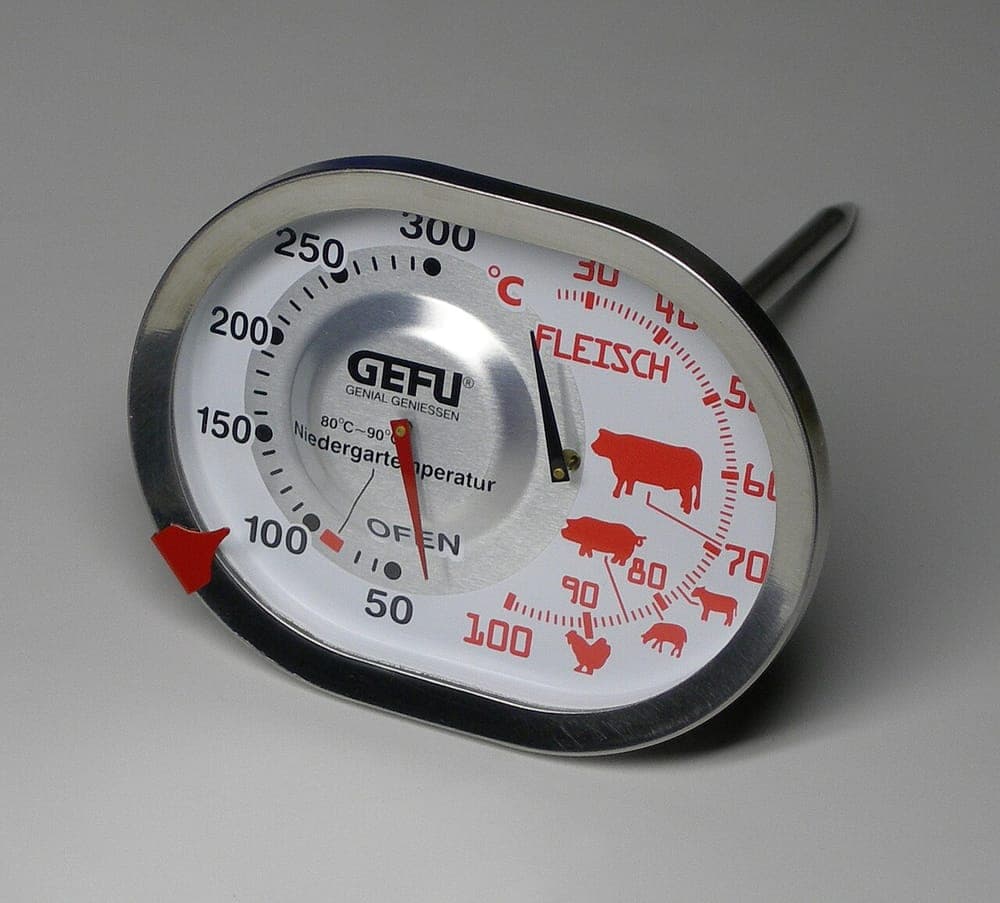
What temperature to season a griddle
Why seasoning temperature depends on your oil, the visual signal that works regardless, and how to check the whole plate.
How often to season a griddle
After-cook oiling versus a full re-season: which is daily, which is rare, and the four situations that call for a reset.
Why your griddle seasoning is flaking off
Why seasoning flakes, why adding more oil makes it worse, and how to take the surface back to a sound layer.
The best griddles for beginners
First griddles ranked on how forgiving they are: rust resistance, pre-seasoning and the mistakes each one punishes.

Cleaning a griddle after every cook
The complete after-cook routine, why timing matters more than tools, and the three things never to use on a seasoned surface.