Griddles are not usually retired because something broke. They are retired because the cooking surface got bad enough that using it stopped being pleasant — rust, a flaking seasoning layer, a plate that no longer drains. All three are maintenance outcomes, which means all three are avoidable.
This is also the part of griddle ownership that manufacturers cannot write about honestly. A brand explaining that its bare steel cooktop will rust in a wet month, and that you must buy a cover and spend a minute after every cook, is a brand arguing against its own purchase. So the useful version has to come from somewhere else.
The daily routine is genuinely sixty seconds
While the plate is still hot — this is the whole trick — scrape the residue to the drain with a stiff flat scraper. Squirt a little water on to steam-lift whatever is welded on. Scrape again. Wipe with a paper towel. Lay down a very thin film of oil while it is still warm.
A hot plate releases residue that a cold plate will not. Walking away and dealing with it tomorrow turns a sixty-second job into a twenty-minute one, every time. The full after-cook routine is here.
What you do not need: soap, degreaser or a wire brush
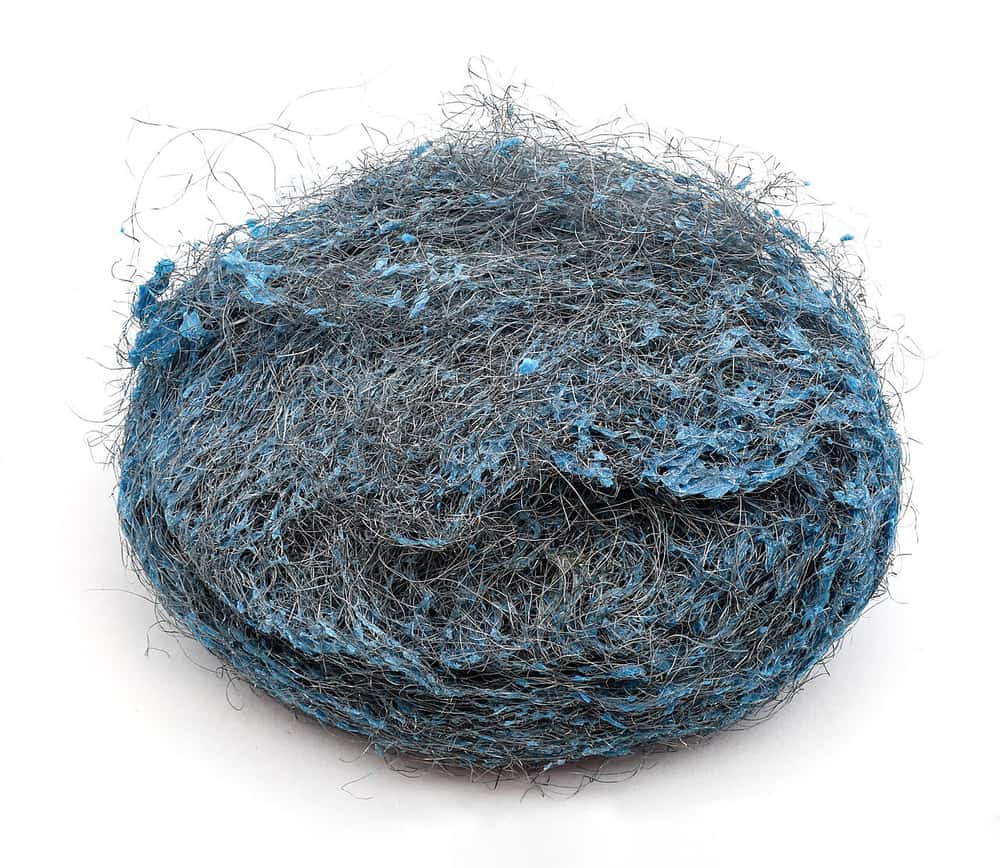
Soap strips the seasoning you have spent months building. Degreaser does the same thing faster. A wire brush sheds bristles onto a cooking surface, which is a genuine safety issue and not a theoretical one.
A stiff scraper, water and a paper towel handle everything routine. The heavier tools — pumice blocks, scouring pads, cleaning bricks — are for the occasional reset and they strip seasoning by design, so you re-season afterwards. We compare scrapers and stones here and cleaning kits here.
Rust: prevention is trivial, removal is an afternoon
Preventing rust requires two things. Oil on the plate after every cook, and a correctly sized, vented cover over the griddle between cooks. The vents matter more than people expect: an unvented cover traps condensation against bare steel and is actively worse than no cover at all.
Removing rust means abrading it back to clean metal, flushing the debris out of the grease channel, and re-seasoning from scratch. It works — steel is forgiving, and a badly rusted top can usually be brought back entirely. It just costs you an afternoon you did not need to spend. The rust removal process and the prevention routine are covered separately.
Flaking seasoning is not rust, and the fix is different
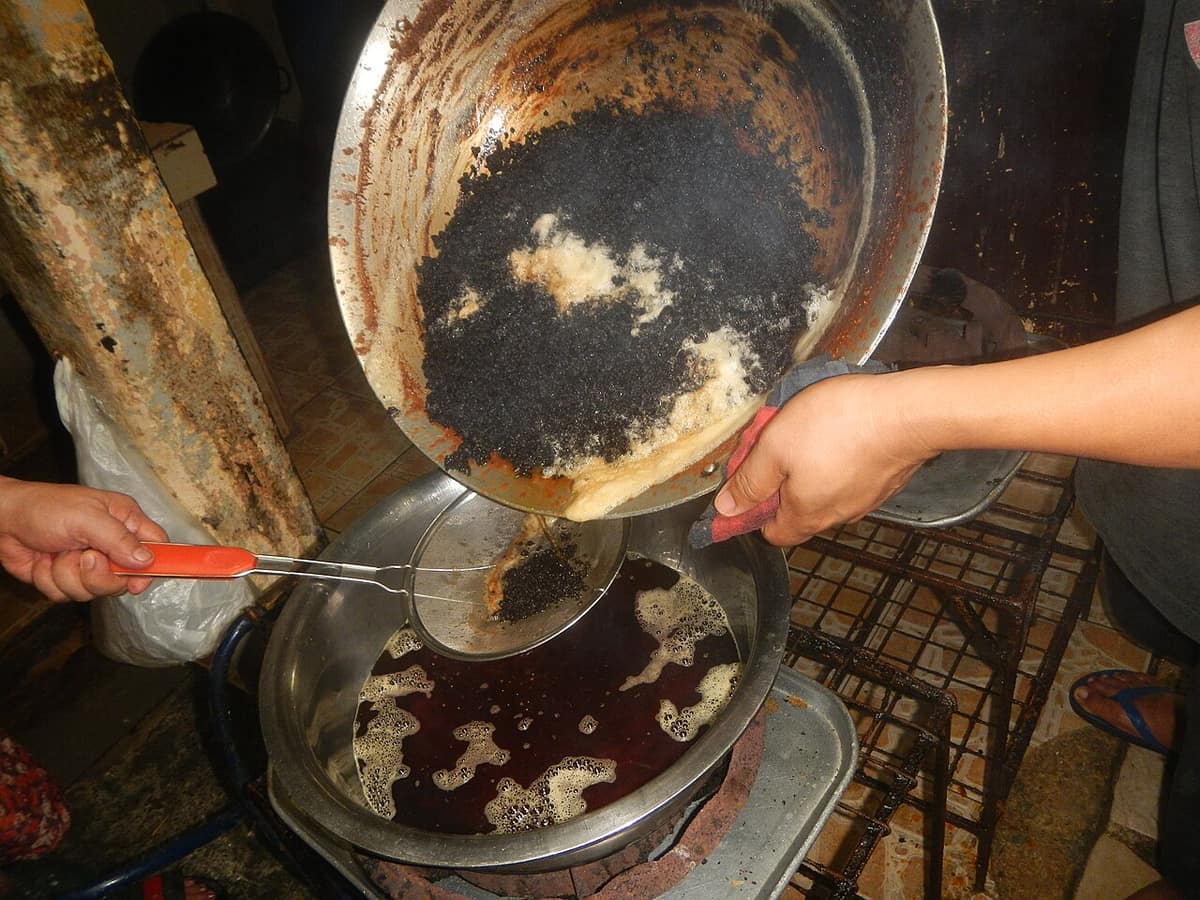
Black flakes lifting off the surface are over-thick seasoning failing, not corrosion. The layer was applied too heavily, never fully polymerized, and has finally let go. You cannot fix it by adding more oil — that adds another thick layer to the stack.
The fix is to take the loose material back to a sound layer and rebuild with properly thin coats. Walkthrough here.
Warping, and the one thing that causes it
Thermal shock. Cold water on a screaming-hot plate, or lighting every burner on high under a cold plate and walking away. A warped top drains unevenly forever after, which is why griddles with a cooktop leveling system — the LoCo has one — are addressing a real complaint rather than inventing a feature.
Thicker plates resist it better, which is the practical argument for a 10-gauge or 4.7 mm cooktop over a thinner one. What to do about a warped griddle covers both prevention and the limited options once it has happened.
Electric griddles play by different rules
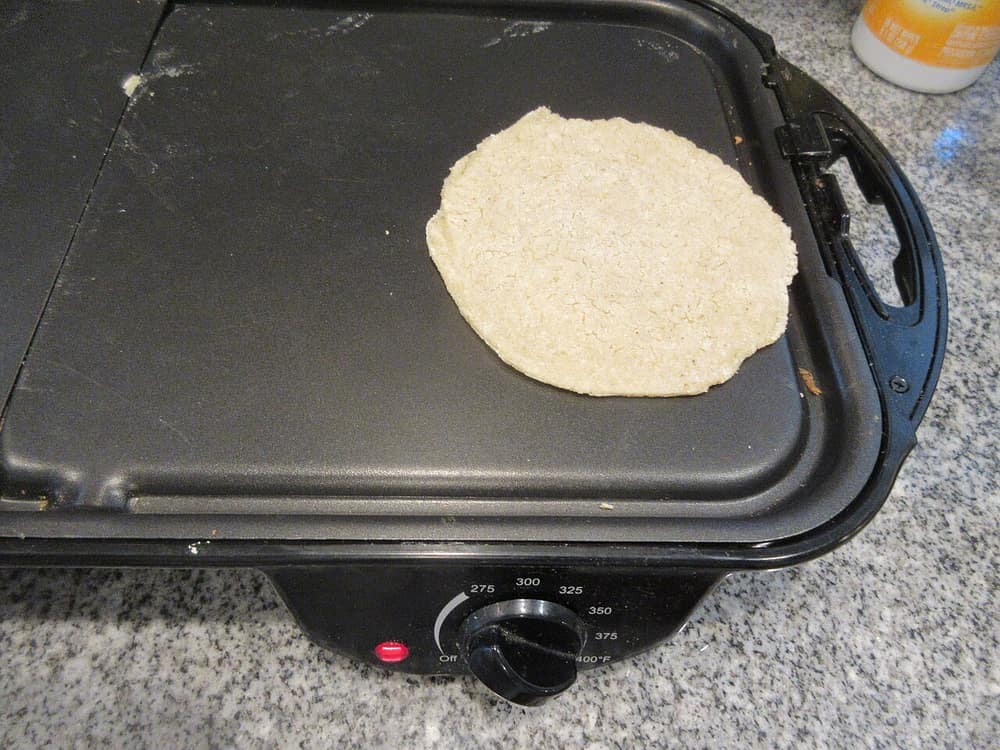
Everything above assumes bare or rust-resistant steel. A coated electric griddle must not be scraped with steel, must not be abraded, and in many cases should not be seasoned at all. Electric griddle cleaning is a separate guide for that reason.
Not routinely. Soap strips the seasoning layer you have built up. The daily clean is a stiff scraper, a squirt of water on the hot plate to steam-lift residue, a wipe and a thin coat of oil. Soap is only appropriate during a full strip-and-reseason.
How do I get rust off a griddle?+
Abrade it back to clean metal with a pumice block or scouring pad, flush the debris out of the grease channel so none of it ends up in your food, then re-season from scratch with three to five thin coats. Steel is forgiving — a badly rusted top can usually be fully recovered.
Why is my griddle seasoning flaking off in black bits?+
That is over-thick seasoning failing, not rust. The layer was applied too heavily to polymerize properly and has finally let go. Remove the loose material back to a sound layer and rebuild with coats thin enough that the surface looks almost dry before heating.
What causes a griddle top to warp?+
Thermal shock — usually cold water hitting a very hot plate, or every burner on high under a cold plate. Heat the griddle gradually and let it cool before any heavy water contact. Thicker cooktops resist warping better, which is the practical case for a 10-gauge or 4.7 mm plate.