Weber Slate 30"
Three zones and a surface that forgives neglect, at the size most households should be shopping in.
We earn a commission if you buy through our links, at no extra cost to you. That is how this site is paid for, and it does not decide what we recommend — full disclosure.
Quick picks
Ranked on published specifications using our scoring rubric. Tap a row for the full write-up.
| # | Product | Best for | Score | Price |
|---|---|---|---|---|
| 1 | 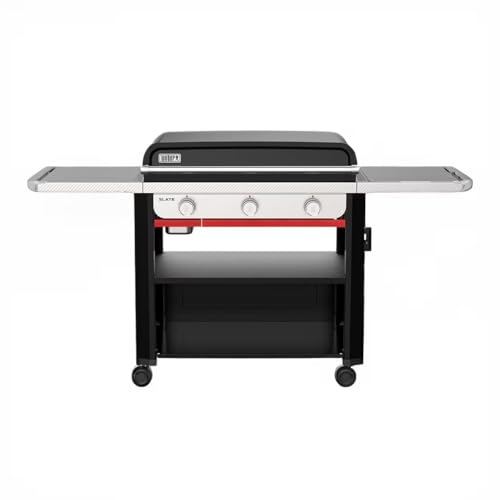 Weber Slate 30" GriddleOccasional cooks who hate rust | Occasional cooks who hate rust | 8.5 | $649.00View on Amazon |
#ad Price as of November 28, 2026; prices change — check the retailer. How this is funded
Three zones at a 28-inch footprint
This is the quiet advantage that gets overlooked. 540 square inches with three independently controlled burners sits almost exactly where a Blackstone 28 does on surface area (525) but gives you one more zone.
That third zone is a real capability difference, not a spec-sheet one. It means a dedicated holding area at 200–250 °F while you still have two working temperatures — so finished food waits at serving temperature instead of competing with your searing zone.
The surface is the headline
Rust-resistant and pre-seasoned from the factory. For a griddle at this size, which usually lives on a patio under a cover, that is worth more than the heat it costs.
36,000 BTU across 540 square inches is 66.7 BTU per square inch — middling. Higher than the Blackstone 28’s 64.8, well below the Traeger Flatrock 2-Zone’s 76.9. For everyday cooking that is fine; for a hard smash-burger crust it is not the best tool in this price range.
140 pounds, on casters
Four swivel casters mean this griddle genuinely moves around a patio, which matters more than it sounds — being able to roll it out of the way, or away from a wall to reach the grease drain, changes how willing you are to use it.
It does not mean portable. At 140.34 lb and 70.8 inches wide, this stays where you put it in any larger sense.
Pre-seasoned is not “never season”
The factory seasoning means you can cook on it the day it arrives, which removes the single biggest barrier for a new griddle owner. It does not mean the surface never needs attention — a thin oil film after cooking still helps, and the surface still develops over time.
What it does mean is that forgetting once is not a problem. The Slate-specific routine is here and it is genuinely different from bare-steel advice.
Who should buy it
This is our pick for most occasional cooks and our pick for first griddles. The combination of three zones, a forgiving surface and a size that fits real patios is the best risk-adjusted purchase in the category.
Buy a Blackstone 28 instead if you cook weekly and want the thicker plate and better parts availability. Buy a Traeger Flatrock 2-Zone instead if searing hard matters more than surface area.
Within the Slate line, the step up is smaller than the model numbers suggest — this griddle has the higher heat density of the two, and the 36 is only 1.2 inches wider: Weber Slate 30 vs 36.
If you have decided the rust-resistant top is not worth 66.7 BTU per square inch, Weber Slate alternatives groups the field by the five reasons people shop away from this griddle. If it is exactly what you want, the best rust-resistant griddles explains what that surface does and does not protect.
The picks in detail
Specifications are linked to their source on every card. Scores are ours, derived from those specifications.
#1 · Occasional cooks who hate rust
Weber Slate 30" Griddle
Three zones over 540 square inches on a rust-resistant top — the best griddle here for someone who cooks once a fortnight and does not want to fight their surface.
#ad Price as of November 28, 2026; prices change — check the retailer. How this is funded
Key specifications
- Cooking area
- 540 sq in
- Burners
- 3, stainless steel
- Total output
- 36,000 BTU
- Cooktop
- Rust-resistant carbon steel, pre-seasoned
- Dimensions
- 70.80 W × 39.50 H × 23.50 D in
- Weight
- 140.34 lb
Specifications from P.C. Richard spec sheet.
Scores
- Cooking area7.5
- Heat output7.0
- Zone control8.5
- Surface care9.5
- Portability4.0
What works
- Three zones at 540 sq in beats the Blackstone 28's two zones at 525 sq in — more control for the same footprint
- Rust resistance is the difference between a griddle that survives a wet autumn and one that does not
- Four swivel casters, so it actually moves on a patio
What to know
- 140 lb means 'moves on a patio', not 'goes in the truck'
- 66.7 BTU per sq in is middling — fine for everyday cooking, slower than the Traeger for a heavy sear
- The rust-resistant coating is not invincible; it still wants a cover
Common questions
Is the Weber Slate 30 better than the Blackstone 28?
Does the Weber Slate 30 come pre-seasoned?
How heavy is the Weber Slate 30?
Sources
Every specification on this page came from one of these. If you find one of them has changed, tell us and we will correct it.
Read next
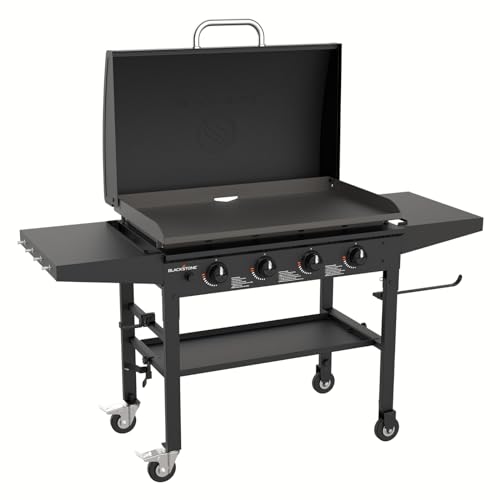
Blackstone vs Weber Slate
The category's defining comparison: bare carbon steel and more heat, against a rust-resistant top that forgives neglect.
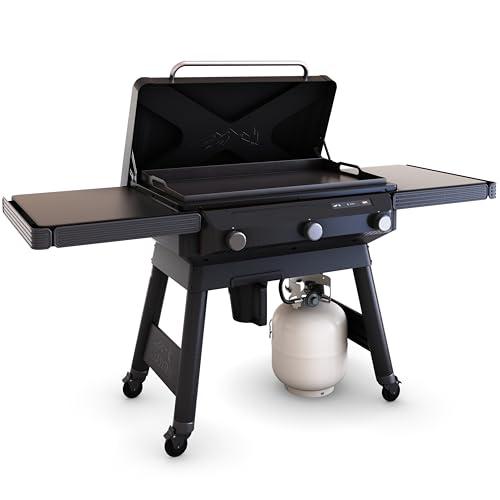
Weber Slate griddle alternatives
Six alternatives to a Weber Slate, each matched to a specific reason for shopping elsewhere: heat density, plate thickness, accessory support, price or weight.
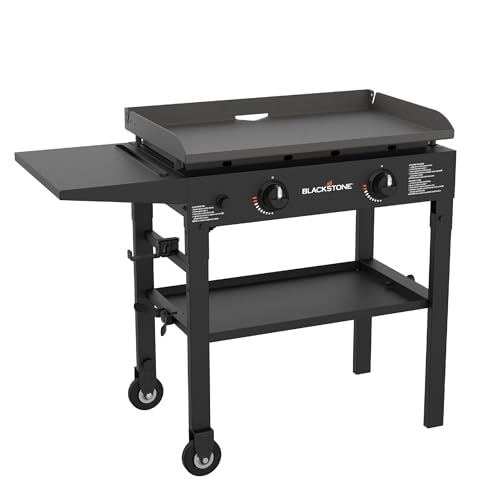
Blackstone 28" Original
525 square inches, two zones, 10-gauge rolled carbon steel. The default recommendation for most households.
The best 28-inch griddles
The 28 to 30-inch class compared. Two zones or three, bare steel or rust-resistant, and why this is the right size for most people.
The best rust-resistant griddles
Griddles ranked by how much neglect the cooking surface absorbs: what rust-resistant actually claims, what it costs you in heat, and which parts corrode first.
The best griddles for beginners
First griddles ranked on how forgiving they are: rust resistance, pre-seasoning and the mistakes each one punishes.