Stovetop griddles
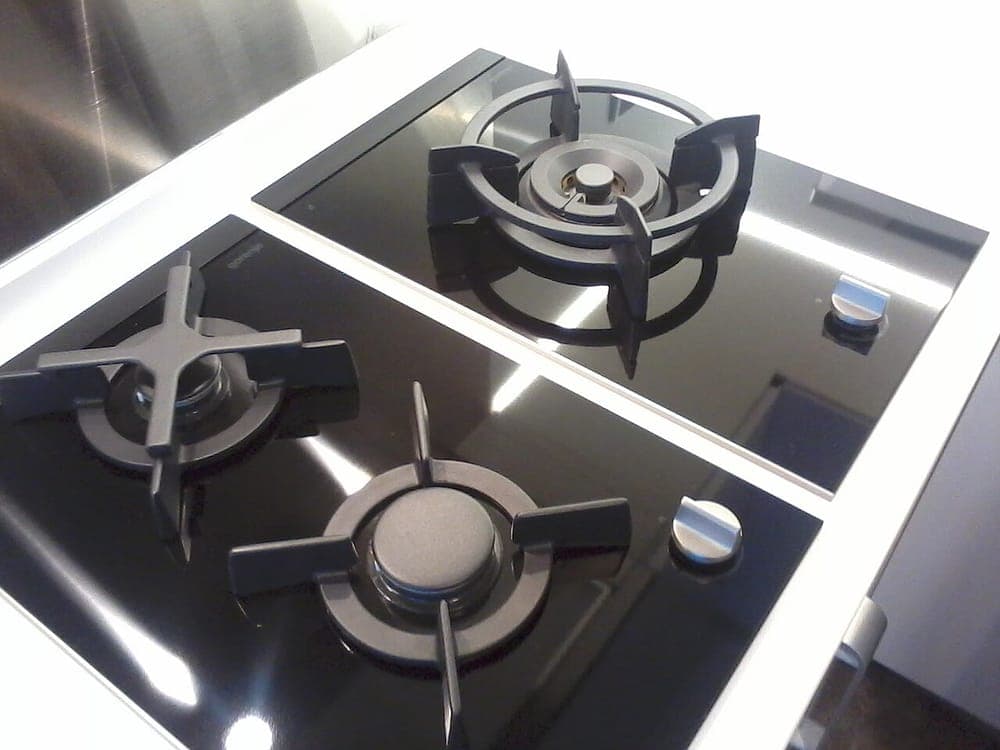
A plate across your range is the only indoor flat top that is not limited by an outlet.
We earn a commission if you buy through our links, at no extra cost to you. That is how this site is paid for, and it does not decide what we recommend — full disclosure.
Quick picks
Ranked on published specifications using our scoring rubric. Tap a row for the full write-up.
| # | Product | Best for | Score | Price |
|---|---|---|---|---|
| 1 | Steelmade PRO Series Flat Top (30" range)A flat top on a kitchen range | A flat top on a kitchen range | 7.7 | Check price on Amazon |
| 2 | Steelmade PRO Series Junior Flat Top (30" gas range)Range flat top without the full weight | Range flat top without the full weight | 7.5 | Check price on Amazon |
| 3 | 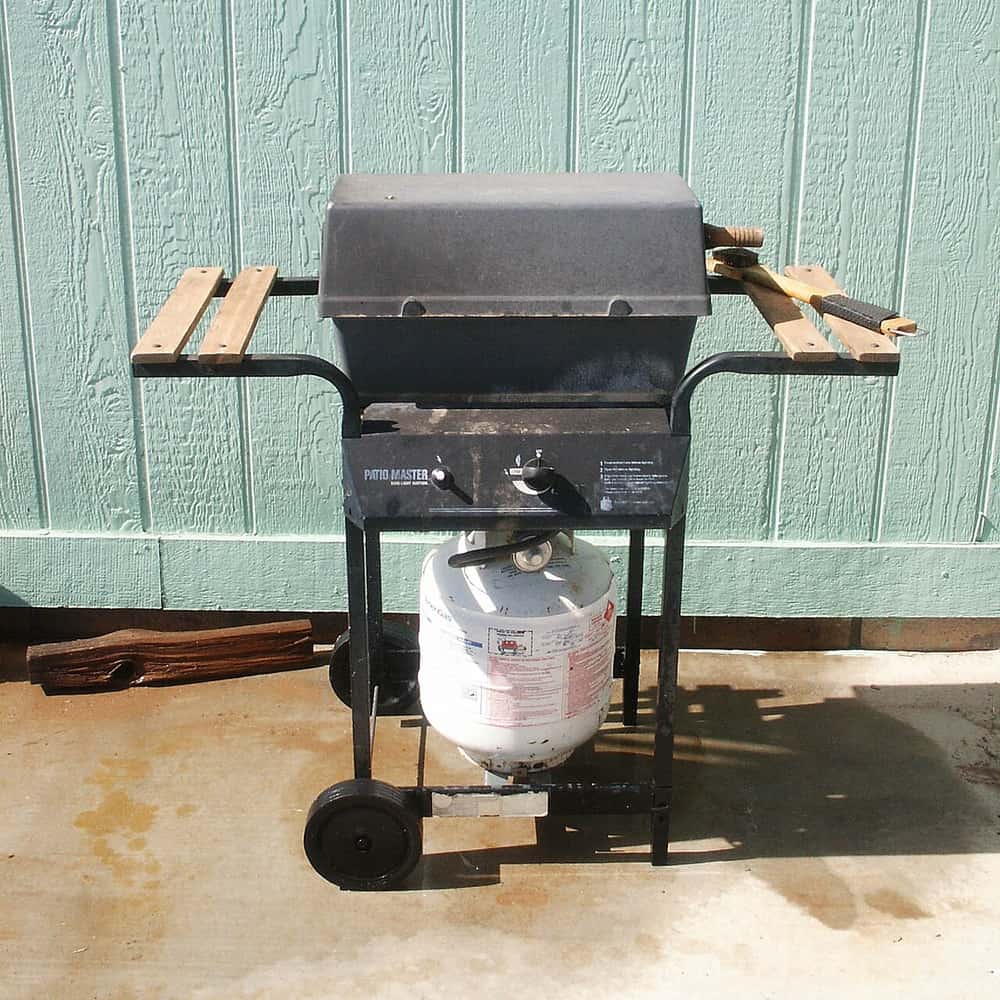 Steelmade Flat Top for Outdoor GrillTurning a gas grill into a griddle Steelmade Flat Top for Outdoor GrillTurning a gas grill into a griddle | Turning a gas grill into a griddle | 7.9 | Check price on Amazon |
#ad We publish no prices: there is no verified price feed on this site, so the retailer’s page is the only price. How this is funded
Why a plate beats an electric griddle indoors
Two reasons, and both are decisive.
Power. An electric griddle is capped at roughly 1500 watts by the outlet — about 5,100 BTU per hour equivalent. A gas range’s burners deliver far more than that, and a plate inherits all of it.
Thermal mass. A 3/8-inch steel plate is thicker than any freestanding griddle cooktop in our guide, including the Pit Boss Deluxe’s 4.7 mm and the Blackstone 28’s 10-gauge. Mass is what stops the surface temperature collapsing when cold food lands.
Together those make a range plate the most capable indoor flat top available, by a wide margin.
The options
| Plate | Thickness | Weight | Fits |
|---|---|---|---|
| PRO Series Original | 3/8 in | ~62 lb | 30″ gas or electric coil range |
| PRO Series Junior | 5/16 in | ~51 lb | 30″ gas range |
| Outdoor grill plate | 3/16 in | — | An existing gas grill |
The Original is the only one rated for electric coil as well as gas. The Junior is eleven pounds lighter, which matters more than it sounds for a plate you lift on and off a worktop.
Check three things before buying
- Can your range take the weight? 51–62 lb concentrated on a cooktop is a real load. Confirm it rather than assuming.
- Do you have extraction? This becomes the binding constraint. A flat top producing full-gas-burner heat makes a lot of smoke, and a range hood that copes with a frying pan may not cope with this.
- Is your range gas or electric coil? Glass-top and induction ranges are generally not suitable — a heavy steel plate across a glass surface risks cracking it, and induction requires contact characteristics these plates are not designed around. Check the manufacturer’s compatibility list.
What it is like to use
Hot spots follow your burners. Your range’s burners are spaced for pans, not for a continuous plate, so you get distinct hot zones above them and cooler zones between. That is not a fault, it is geometry — and it gives you a usable temperature gradient once you know where it is. Mapping hot spots matters more here than anywhere.
Preheating takes longer. More mass means more time to heat — and then far better stability once hot.
Grease management is on you. No channel, no cup. The plates have drain provision but you supply the catch, and indoors that needs thinking about before you start rather than during.
It is bare steel, so it needs seasoning
Exactly like a Blackstone top: three to five very thin coats, heated until the smoking stops, then a thin oil film after every use. The process.
Seasoning indoors is smoky by definition, since the whole point is heating oil past its smoke point. Do it with maximum extraction and the windows open, or season it outdoors on a grill the first time if you can.
The one risk specific to range plates
They get put away damp. A patio griddle lives under a cover; a range plate goes into a cupboard, and cupboards are where people put things away slightly wet.
Dry it thoroughly, oil it, and store it somewhere with air movement. Rust prevention applies in full.
The picks in detail
Specifications are linked to their source on every card. Scores are ours, derived from those specifications.
#1 · A flat top on a kitchen range
Steelmade PRO Series Flat Top (30" range)
3/8-inch steel at roughly 62 lb, sized for a 30-inch gas or electric coil range — a genuine indoor flat top rather than a griddle pan.
#ad We publish no prices: there is no verified price feed on this site, so the retailer’s page is the only price. How this is funded
Key specifications
- Steel thickness
- 3/8 in
- Weight
- ~62.0 lb
- Fits
- 30 in gas or electric coil range
- Surface
- Bare steel — needs seasoning
- Format
- Range-top insert
- Made in
- USA
Specifications from Steelmade product page.
Scores
- Cooking area5.5
- Heat output5.5
- Zone control5.0
- Surface care6.0
- Portability3.0
What works
- 3/8 in is thicker than any freestanding griddle top in this guide — it is the most stable surface here
- Turns an existing range into an indoor flat top without a new appliance or a propane tank
- No outdoor storage, no cover, no weather exposure
What to know
- 62 lb on a range top is a serious load — check your range can take it before buying
- Needs real kitchen ventilation; a flat top produces a lot of smoke
- Covers your burners, so it is the whole cooktop while it is on
#2 · Range flat top without the full weight
Steelmade PRO Series Junior Flat Top (30" gas range)
5/16-inch steel at roughly 51 lb — eleven pounds lighter than the Original, for ranges and cooks that cannot take 62 lb.
#ad We publish no prices: there is no verified price feed on this site, so the retailer’s page is the only price. How this is funded
Key specifications
- Steel thickness
- 5/16 in
- Weight
- ~51 lb
- Fits
- 30 in gas range
- Surface
- Bare steel — needs seasoning
- Format
- Range-top insert
- Made in
- USA
Specifications from Steelmade product page.
Scores
- Cooking area5.5
- Heat output5.5
- Zone control5.0
- Surface care6.0
- Portability4.0
What works
- 51 lb is meaningfully easier to lift on and off than the 62 lb Original
- 5/16 in is still thicker than any freestanding griddle cooktop here
- Gas-range specific, so the burner cutouts suit the heat source
What to know
- Gas ranges only — no electric coil option like the Original
- Still 51 lb, which is a two-handed lift at an awkward height
- Thinner than the Original, so slightly less thermal mass
#3 · Turning a gas grill into a griddle
Steelmade Flat Top for Outdoor Grill
3/16-inch American steel that drops onto an existing gas grill — the maker states it is 50% thicker than most dedicated griddle tops.
#ad We publish no prices: there is no verified price feed on this site, so the retailer’s page is the only price. How this is funded
Key specifications
- Steel thickness
- 3/16 in
- Made in
- USA
- Drainage
- ½ in front drain holes along the front edge
- Fits
- An existing gas grill
- Surface
- Bare steel — needs seasoning
- Maker's claim
- 50% thicker than most dedicated griddles
Specifications from Steelmade product page.
Scores
- Cooking area6.0
- Heat output6.0
- Zone control5.5
- Surface care6.0
- Portability7.5
What works
- Thickness is the whole argument: a thicker plate holds temperature when cold food lands
- No new appliance, no new footprint, no second propane tank
- Front drain holes put the grease where you can reach it, unlike rear-drain griddles
What to know
- You lose your grill while the plate is on it
- Your grill's burners were designed for grates, not a solid plate — hot spots follow burner layout
- Bare steel: seasoning and rust prevention are entirely on you
Common questions
Can you put a griddle plate on a kitchen range?
Is a stovetop griddle better than an electric one?
What is the biggest limitation of a stovetop griddle?
Do stovetop griddle plates need seasoning?
Sources
Every specification on this page came from one of these. If you find one of them has changed, tell us and we will correct it.
Read next
Steelmade Flat Top
3/16 to 3/8 inch American steel plates for gas grills and 30-inch ranges. Thicker than any freestanding griddle cooktop here.
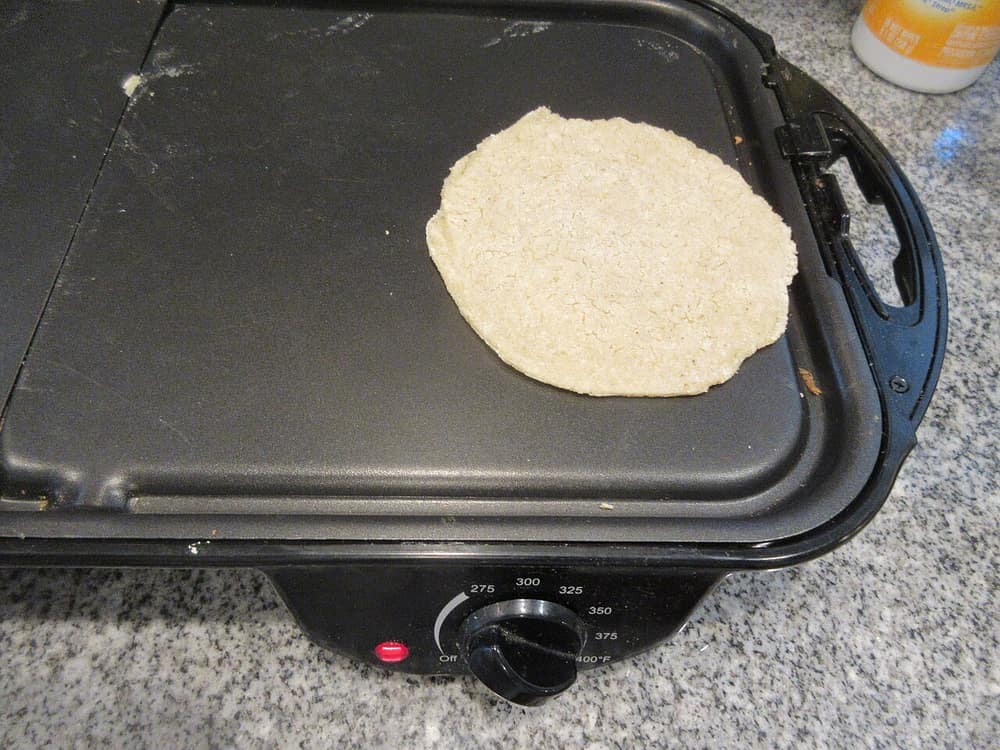
The best indoor electric griddles
Indoor griddles compared, why smoke rather than power is the real limit, and how to cook flat-top food in a kitchen.
The best griddle plates for gas grills
Steel griddle inserts for gas grills and ranges, compared on thickness, drainage and what you give up.
Finding your griddle's hot spots
Why every griddle heats unevenly, how to map yours with a nine-point grid, and how to cook with the map.
Seasoning a griddle for the first time
The complete first-seasoning process step by step, the three ways it goes wrong, and what a correct result actually looks like.
Electric vs gas griddle
1500 watts against 34,000 BTU — what the gap means in practice, and the things electric genuinely does better.