The best griddle plates for gas grills
The cheapest route to a flat top is the one you already own — and the plates available are thicker than most dedicated griddle cooktops.
We earn a commission if you buy through our links, at no extra cost to you. That is how this site is paid for, and it does not decide what we recommend — full disclosure.
Quick picks
Ranked on published specifications using our scoring rubric. Tap a row for the full write-up.
| # | Product | Best for | Score | Price |
|---|---|---|---|---|
| 1 | Steelmade Flat Top for Outdoor GrillTurning a gas grill into a griddle | Turning a gas grill into a griddle | 7.9 | Check price on Amazon |
| 2 | 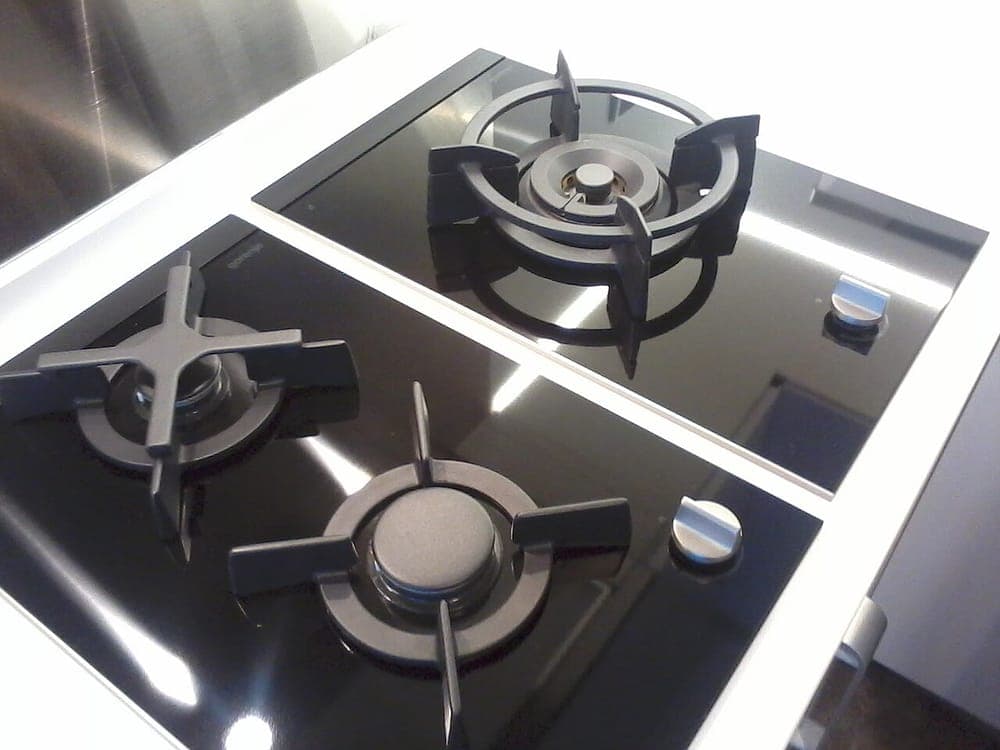 Steelmade PRO Series Flat Top (30" range)A flat top on a kitchen range Steelmade PRO Series Flat Top (30" range)A flat top on a kitchen range | A flat top on a kitchen range | 7.7 | Check price on Amazon |
| 3 | Steelmade PRO Series Junior Flat Top (30" gas range)Range flat top without the full weight | Range flat top without the full weight | 7.5 | Check price on Amazon |
#ad We publish no prices: there is no verified price feed on this site, so the retailer’s page is the only price. How this is funded
The case for an insert instead of an appliance
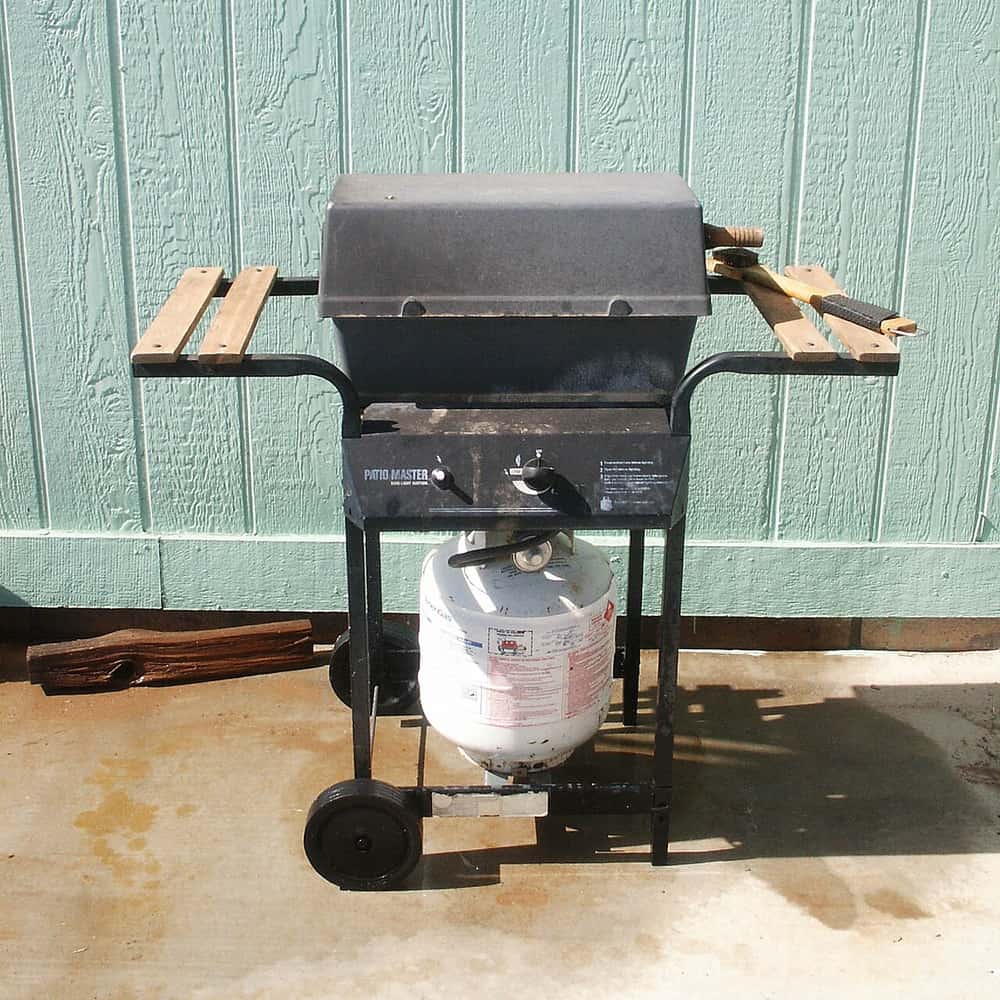
If you own a gas grill, you already own the burners, the frame, the gas supply and the footprint. The only thing missing from a flat top is a flat top. A steel plate supplies it for a fraction of the cost of a dedicated griddle, and it occupies no additional patio space because it lives inside something you already have.
For a large share of the people searching for a griddle, this is the correct answer and nobody tells them. The outdoor cooking industry sells appliances; a plate is not an appliance.
Thickness is the specification that matters
A griddle plate has no burners of its own, so BTU and heat density do not apply. What applies is thermal mass — how much heat the plate holds, and therefore how far its surface temperature drops when cold food lands on it.
That is a function of thickness, and the plates available here are genuinely thick:
- Steelmade outdoor plate — 3/16 inch
- Steelmade PRO Junior — 5/16 inch
- Steelmade PRO Original — 3/8 inch
For comparison, a Blackstone 28’s cooktop is 10-gauge rolled steel and a Pit Boss Deluxe’s is 4.7 mm. A 3/8-inch plate is thicker than either. The maker states its standard plate is 50% thicker than most dedicated griddles, which is consistent with that comparison.
What you actually give up
- The grill, while the plate is on it. Swapping takes a couple of minutes and somewhere to put a hot, heavy steel plate.
- Burner layout designed for a solid surface. Your grill’s burners were spaced for grates with gas flowing between them. Under a solid plate, hot spots follow that layout more strongly than on a purpose-built griddle. Mapping them matters more here.
- Purpose-built grease management. A dedicated griddle has a drain and a cup; a plate has drain holes and you supply the catch. Steelmade’s outdoor plate uses half-inch drain holes along the front edge, which at least puts the grease where you can reach it — unlike rear-drain griddles.
- Weight. The PRO Original is around 62 lb. That is a serious lift, and on a range top it is a load you should confirm your range can take.
Outdoor plate or range plate
Two different products. The outdoor plate sits in a gas grill. The PRO Series plates sit across a 30-inch kitchen range — the Original fits gas or electric coil, the Junior is gas-only and eleven pounds lighter.
A range plate is the most capable indoor flat top there is, because it inherits your cooktop’s full output rather than being capped at an outlet’s 1500 watts. The real constraint indoors becomes ventilation, not power — covered in full here.
Seasoning a plate is the same job
These are bare steel. They need seasoning before first use and a thin oil coat after every cook, exactly like a Blackstone top. The first-time seasoning process applies unchanged. The one difference is storage: a plate often lives indoors or in a garage between uses, which is better for it than a patio but means it is easy to put away damp.
The picks in detail
Specifications are linked to their source on every card. Scores are ours, derived from those specifications.
#1 · Turning a gas grill into a griddle
Steelmade Flat Top for Outdoor Grill
3/16-inch American steel that drops onto an existing gas grill — the maker states it is 50% thicker than most dedicated griddle tops.
#ad We publish no prices: there is no verified price feed on this site, so the retailer’s page is the only price. How this is funded
Key specifications
- Steel thickness
- 3/16 in
- Made in
- USA
- Drainage
- ½ in front drain holes along the front edge
- Fits
- An existing gas grill
- Surface
- Bare steel — needs seasoning
- Maker's claim
- 50% thicker than most dedicated griddles
Specifications from Steelmade product page.
Scores
- Cooking area6.0
- Heat output6.0
- Zone control5.5
- Surface care6.0
- Portability7.5
What works
- Thickness is the whole argument: a thicker plate holds temperature when cold food lands
- No new appliance, no new footprint, no second propane tank
- Front drain holes put the grease where you can reach it, unlike rear-drain griddles
What to know
- You lose your grill while the plate is on it
- Your grill's burners were designed for grates, not a solid plate — hot spots follow burner layout
- Bare steel: seasoning and rust prevention are entirely on you
#2 · A flat top on a kitchen range
Steelmade PRO Series Flat Top (30" range)
3/8-inch steel at roughly 62 lb, sized for a 30-inch gas or electric coil range — a genuine indoor flat top rather than a griddle pan.
#ad We publish no prices: there is no verified price feed on this site, so the retailer’s page is the only price. How this is funded
Key specifications
- Steel thickness
- 3/8 in
- Weight
- ~62.0 lb
- Fits
- 30 in gas or electric coil range
- Surface
- Bare steel — needs seasoning
- Format
- Range-top insert
- Made in
- USA
Specifications from Steelmade product page.
Scores
- Cooking area5.5
- Heat output5.5
- Zone control5.0
- Surface care6.0
- Portability3.0
What works
- 3/8 in is thicker than any freestanding griddle top in this guide — it is the most stable surface here
- Turns an existing range into an indoor flat top without a new appliance or a propane tank
- No outdoor storage, no cover, no weather exposure
What to know
- 62 lb on a range top is a serious load — check your range can take it before buying
- Needs real kitchen ventilation; a flat top produces a lot of smoke
- Covers your burners, so it is the whole cooktop while it is on
#3 · Range flat top without the full weight
Steelmade PRO Series Junior Flat Top (30" gas range)
5/16-inch steel at roughly 51 lb — eleven pounds lighter than the Original, for ranges and cooks that cannot take 62 lb.
#ad We publish no prices: there is no verified price feed on this site, so the retailer’s page is the only price. How this is funded
Key specifications
- Steel thickness
- 5/16 in
- Weight
- ~51 lb
- Fits
- 30 in gas range
- Surface
- Bare steel — needs seasoning
- Format
- Range-top insert
- Made in
- USA
Specifications from Steelmade product page.
Scores
- Cooking area5.5
- Heat output5.5
- Zone control5.0
- Surface care6.0
- Portability4.0
What works
- 51 lb is meaningfully easier to lift on and off than the 62 lb Original
- 5/16 in is still thicker than any freestanding griddle cooktop here
- Gas-range specific, so the burner cutouts suit the heat source
What to know
- Gas ranges only — no electric coil option like the Original
- Still 51 lb, which is a two-handed lift at an awkward height
- Thinner than the Original, so slightly less thermal mass
Common questions
Can you put a griddle plate on a gas grill?
How thick should a griddle plate be?
What are the downsides of a griddle plate over a dedicated griddle?
Do griddle plates need seasoning?
Sources
Every specification on this page came from one of these. If you find one of them has changed, tell us and we will correct it.
Read next
Steelmade Flat Top
3/16 to 3/8 inch American steel plates for gas grills and 30-inch ranges. Thicker than any freestanding griddle cooktop here.
Stovetop griddles
Steel plates for gas and electric coil ranges: thickness, weight, what fits, and why ventilation becomes the real limit.
The best griddle and grill combos
Griddle-grill combinations compared. Which convert properly, which are a griddle with grill marks, and the cheaper alternative.
The best budget griddles
What the budget end of the griddle market actually gives up, and the picks that match premium models on heat density.
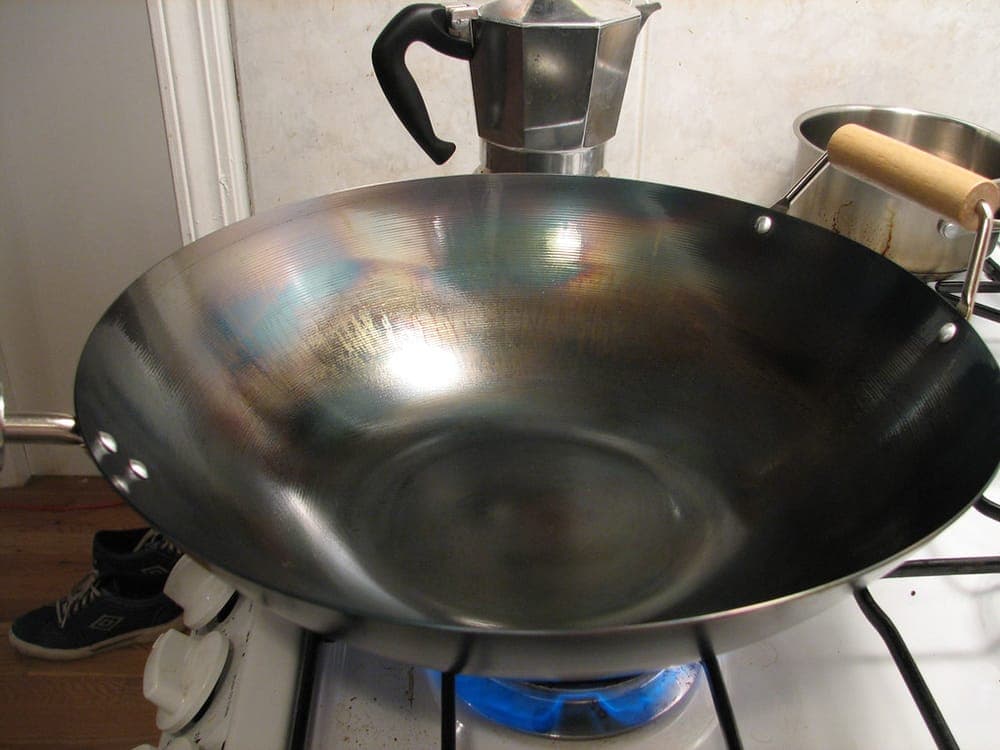
Seasoning a griddle for the first time
The complete first-seasoning process step by step, the three ways it goes wrong, and what a correct result actually looks like.
Finding your griddle's hot spots
Why every griddle heats unevenly, how to map yours with a nine-point grid, and how to cook with the map.