The single biggest jump in griddle cooking does not come from a better griddle. It comes from realizing that the plate in front of you is not one cooking surface at one temperature, and then deliberately using that.
Every griddle has hot spots. Find yours.
Burners sit under specific parts of the plate, and the areas directly above them run hotter than the areas between and around them. Edges run cooler than the middle because they lose heat to the air on three sides. This is true of every griddle ever made, including expensive ones.
Mapping yours takes about thirty seconds with an infrared thermometer: heat the plate, read nine points in a grid, write it down. You will never cook on it the same way again, because you will stop wondering why one burger finished two minutes before the others. Hot-spot mapping in detail.
Use the whole plate as a temperature gradient
With two or more burners you can run a genuine gradient: a searing zone at one end, a moderate cooking zone in the middle, a holding zone at the cool end. That turns a griddle into a staging surface — sear the protein, slide it to the holding zone, toast the buns in the middle, bring everything together at the end, all without a single thing going cold or overcooking.
This is the actual argument for burner count, and it is why we treat zones rather than raw BTU as the thing to buy on.
Temperatures that matter
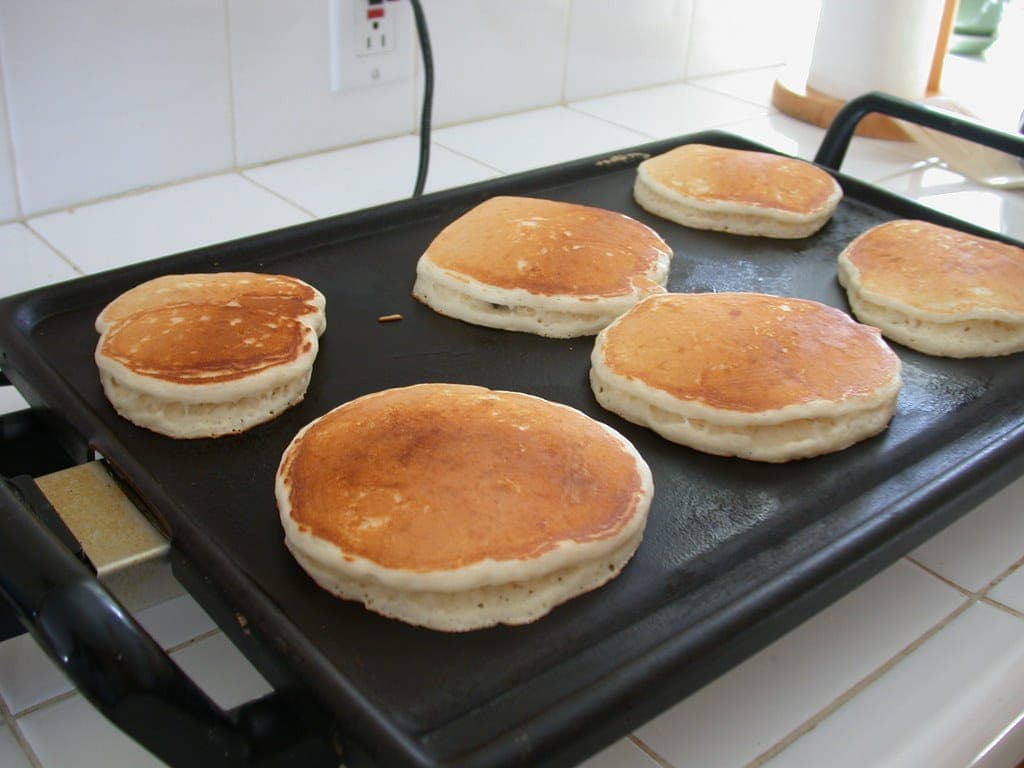
Broadly: eggs and pancakes around 325–375 °F, bacon around 325 °F so the fat renders before the meat burns, smash burgers as hot as the plate goes (450 °F and up), steak similar, vegetables around 400 °F, and a holding zone at 200–250 °F.
Those numbers are starting points, not laws, and knob positions are not temperatures. The full temperature chart is here and is the page most worth printing and taping inside your griddle cabinet.
What a flat top does better than anything else
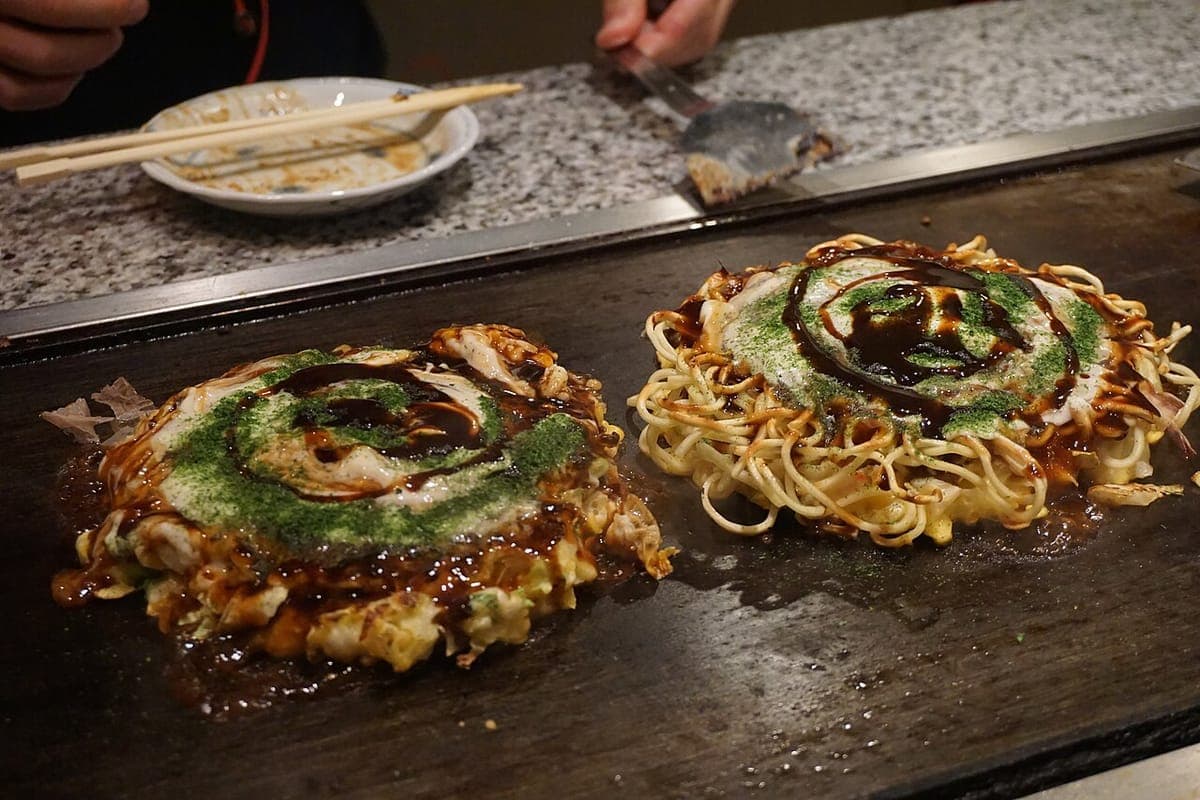
Not everything cooks better on a griddle, and pretending otherwise is how people end up disappointed. What a flat top genuinely wins at is full contact: anything where you want maximum crust and nothing falling through grates.
Smash burgers — the signature cook, and essentially impossible on a grate.
Breakfast for a crowd — eggs, bacon, hash browns and pancakes going at once in different zones.
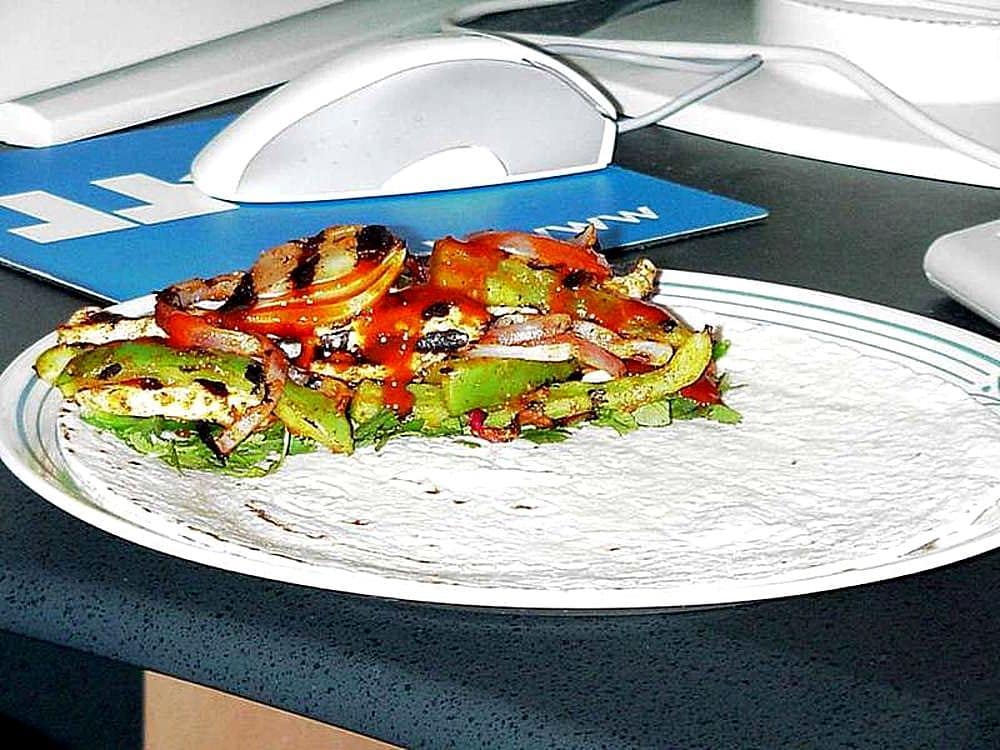
Anything small or diced: onions, peppers, mushrooms, fried rice, fajitas and stir-fries.
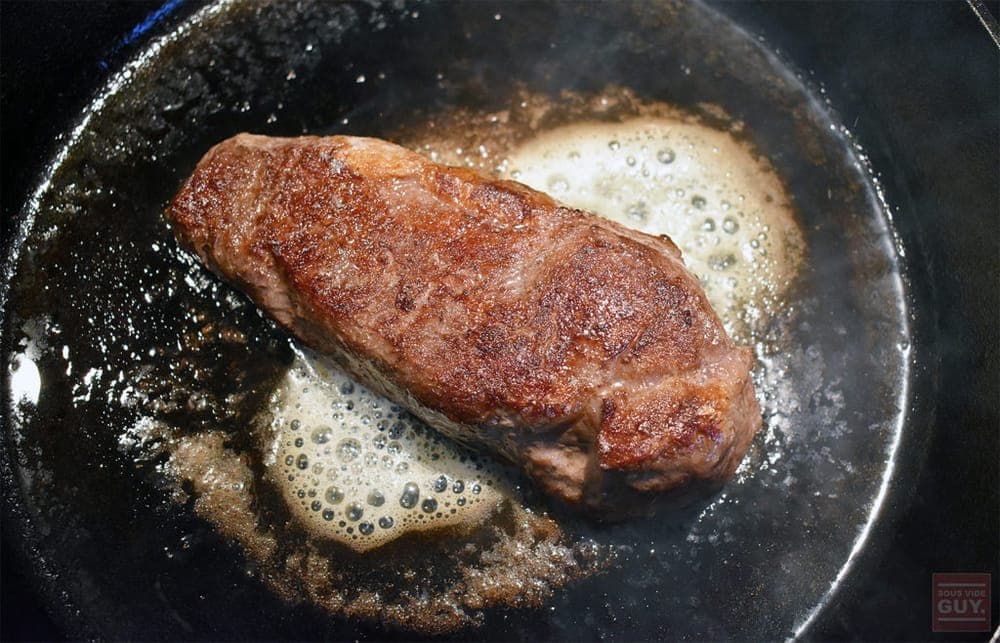
Steak, where edge-to-edge crust beats grill marks on flavor even if it loses on photographs.
Oil is a cooking variable, not just a seasoning one
How much oil you lay down changes the result more than most people realize. A thin film gives you contact and crust. A puddle gives you shallow frying, which is a different and often worse outcome for the same food. This is why squeeze bottles matter: they are a dosing tool.
Cooking for a crowd changes the plan
The constraint stops being heat and becomes staging. You cannot cook twenty burgers at once on any domestic griddle, so you cook in waves and hold — which is why the holding zone, and therefore the burner count, matters more at scale than total surface area does. Cooking for a crowd works through the logistics.
What temperature should a griddle be for burgers?+
As hot as it will go for smash burgers — 450 °F and above. The crust comes from fast, direct contact with a very hot surface. For thicker, formed patties cooked through, 375 to 400 °F is more controllable.
How do I find the hot spots on my griddle?+
Heat it to a steady temperature, then take readings at nine points in a grid with an infrared thermometer and write them down. Burners sit under specific areas, and edges always run cooler. Every griddle has hot spots, including expensive ones.
What temperature is right for pancakes and eggs?+
Around 325 to 375 °F. Hotter than that and pancakes color before the middle sets, and eggs get rubbery edges. Bacon does best around 325 °F so the fat renders before the meat scorches.
How much oil should go on a griddle before cooking?+
A thin film, not a puddle. A thin layer gives you full contact and crust; too much turns the cook into shallow frying, which is a different and usually worse result. A narrow-tip squeeze bottle is the easiest way to dose it consistently.