Is griddle cooking healthy?
It depends what you are comparing it with, and the honest answer has a point in each direction.
We earn a commission if you buy through our links, at no extra cost to you. That is how this site is paid for, and it does not decide what we recommend — full disclosure.
Quick picks
Ranked on published specifications using our scoring rubric. Tap a row for the full write-up.
| # | Product | Best for | Score | Price |
|---|---|---|---|---|
| 1 | 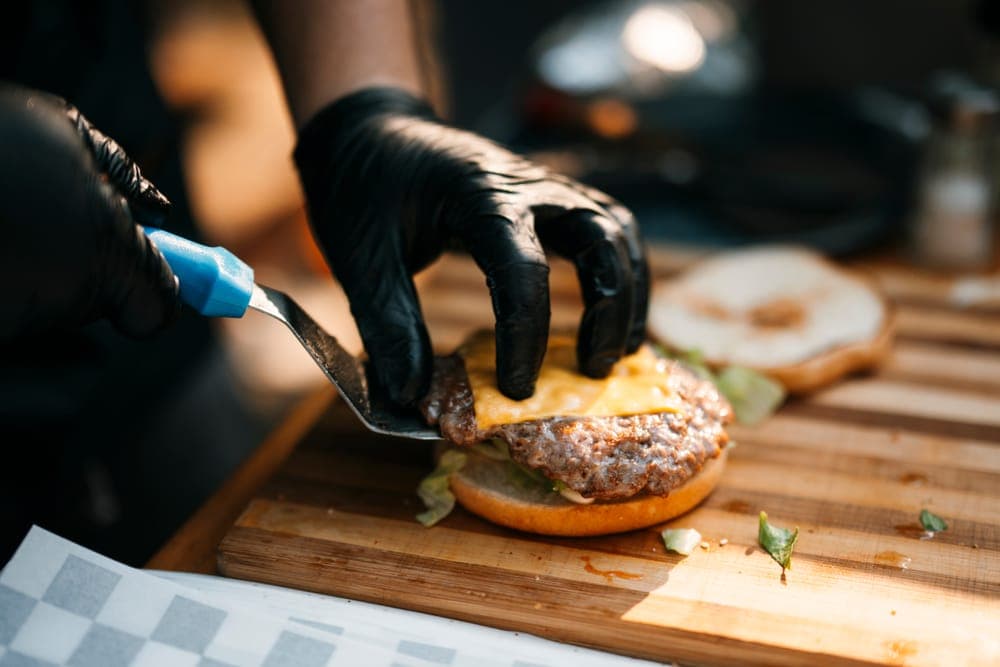 Squeeze Bottle SetOil control, which is most of the technique Squeeze Bottle SetOil control, which is most of the technique | Oil control, which is most of the technique | 8.3 | Check price on Amazon |
| 2 | 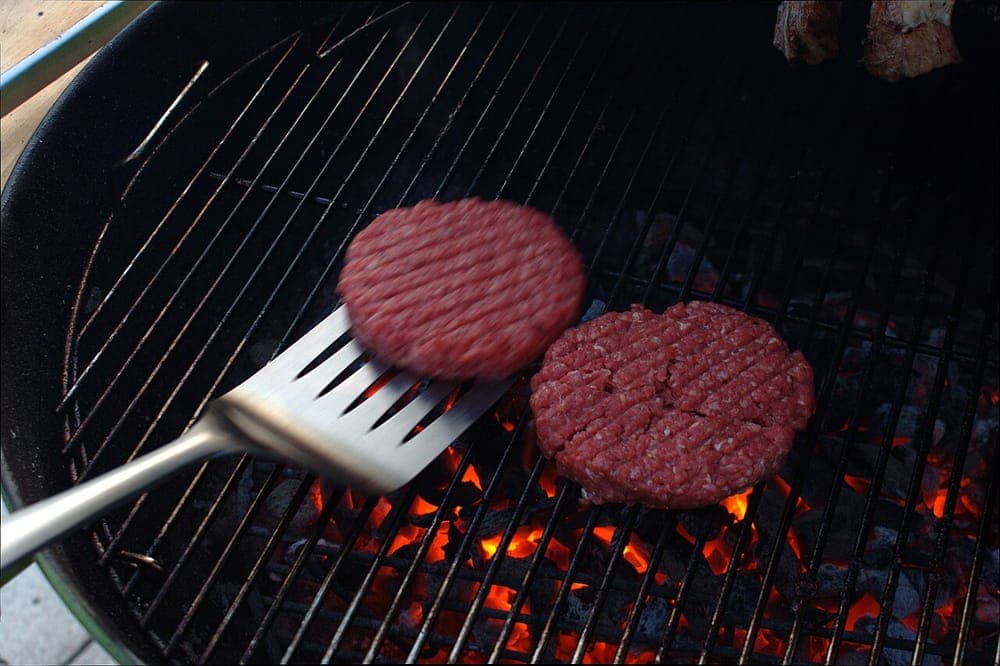 Griddle Spatula PairThe two tools you actually use Griddle Spatula PairThe two tools you actually use | The two tools you actually use | 8.7 | Check price on Amazon |
| 3 | 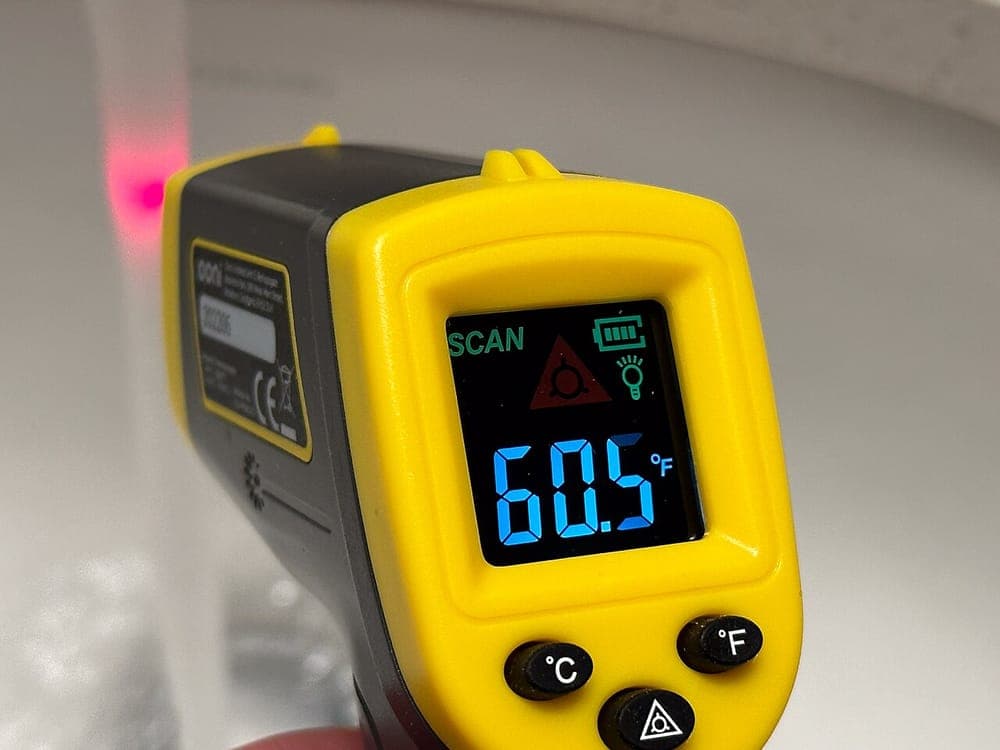 Infrared Surface ThermometerKnowing what your plate is actually doing Infrared Surface ThermometerKnowing what your plate is actually doing | Knowing what your plate is actually doing | 8.3 | Check price on Amazon |
#ad We publish no prices: there is no verified price feed on this site, so the retailer’s page is the only price. How this is funded
What this page is and is not
This is a comparison of cooking methods, written by someone who writes about griddles. It is not medical or dietary advice, and we are not qualified to give any.
What we can do honestly is lay out the mechanical differences between cooking on a flat top and cooking other ways, and let you weigh them.
Against a grill: one point each way
Fat: the grill wins
On a grate, rendered fat drips away through the gaps. On a flat top it stays with the food until it drains off the plate, which means more of it ends up in what you eat.
That is simply mechanical. It is also partly why griddle food often tastes richer.
Flame-related compounds: the griddle wins
Grilling over direct flame involves fat dripping onto a heat source and flaring, and that smoke carries combustion products back onto the food. Charring food heavily also produces compounds associated with very high-temperature cooking.
A griddle has no flame contact with the food at all, and no dripping-fat flare-ups. Browning still happens — that is the Maillard reaction — but the flame-and-smoke pathway is absent.
Against frying in a pan
A griddle generally uses less oil, because you are laying down a thin film across a flat surface rather than filling the base of a pan.
It also drains continuously. Rendered fat runs to the grease channel instead of pooling around the food, so food cooks in contact with hot steel rather than sitting in fat.
A squeeze bottle is genuinely relevant here: dosing a thin line rather than pouring is the difference between a film and a pool.
The variable that dominates everything
What you cook on it.
A griddle cooking vegetables, lean protein and eggs with a thin film of oil is a different proposition from a griddle cooking bacon, cheese-laden smash burgers and hash browns in rendered fat — and the appliance is identical in both cases.
The method differences above are small next to that. Nobody’s diet is decided by whether fat drips through a grate.
Where a flat top is genuinely useful
- Vegetables. Full contact browns them properly, which makes them worth eating. Small and diced vegetables that fall through a grate work here.
- Fish. Delicate fillets hold together on a flat surface where they fall apart on a grate.
- Portion control by surface. You can see exactly what is cooking, laid out flat.
- Oil control. A thin film is both better cooking and less oil — the techniques align.
- No added fat needed for fatty proteins. Bacon and ribeye render their own.
Practical ways to cook lighter on a griddle
- Use a squeeze bottle. Dosing a line rather than pouring makes a real difference.
- Keep the plate well seasoned. A good surface needs less oil, so maintenance and lighter cooking go together.
- Push rendered fat to the drain during the cook rather than letting food sit in it.
- Cook vegetables on their own zone, not in meat fat, when that is what you want.
- Use the temperature range. Not everything needs 450 °F, and heavy charring is a choice.
The honest summary
Compared with grilling: more fat retained, no flame contact. Compared with pan frying: generally less oil and continuous drainage.
Compared with either: the ingredients matter far more than the appliance. What a griddle is good at covers the range, which is wider than burgers.
The picks in detail
Specifications are linked to their source on every card. Scores are ours, derived from those specifications.
#1 · Oil control, which is most of the technique
Squeeze Bottle Set
Two bottles — one oil, one water — are the most underrated griddle tools there are, because dosing oil by eye is how food sticks or swims.
#ad We publish no prices: there is no verified price feed on this site, so the retailer’s page is the only price. How this is funded
Key specifications
- How many
- Two minimum: oil and water
- Tip
- Narrow, so you can lay a thin line rather than a puddle
- Water bottle use
- Steam-lifting residue and steaming under a dome
- Material
- Heat-tolerant — bottles sit near a hot plate
- Caps
- Must seal; open bottles collect everything
- Label them
- Oil and water look identical in an opaque bottle
Specifications from Blackstone accessories.
Scores
- Control9.0
- Material7.0
- Sealing7.5
- Value9.5
What works
- A thin controlled line of oil is the difference between a seared crust and a fried one
- The water bottle makes daily cleanup a 60-second job
- Trivially cheap for how much technique they unlock
What to know
- Wide-tip bottles over-dose oil and defeat the purpose
- Cheap plastic deforms if left on a hot side shelf
- Oil goes rancid in a bottle left outside for months
#2 · The two tools you actually use
Griddle Spatula Pair
Two stiff, wide, bevelled-edge spatulas do 90% of griddle work — everything beyond that in a 30-piece kit is storage clutter.
#ad We publish no prices: there is no verified price feed on this site, so the retailer’s page is the only price. How this is funded
Key specifications
- What matters
- Blade stiffness — a flexible blade cannot lift a stuck smash burger
- What matters
- A bevelled front edge that gets under fond
- Width
- Wide enough to carry a whole patty, narrow enough to turn in a crowd
- Quantity
- Two — one to lift, one to steady
- Handle
- Riveted, not glued
- What fails first
- The handle rivet and the blade's leading edge
Scores
- Stiffness9.0
- Edge9.0
- Handle7.5
- Value8.5
What works
- A stiff bevelled blade is the difference between turning a smash burger and destroying one
- Two spatulas lets you work food against itself rather than against the plate
- Stainless blades can be scraped and scrubbed without degrading
What to know
- Thin, flexible 'griddle' spatulas sold in big kits are the wrong tool and are what most kits contain
- Long handles get in the way on a tabletop griddle
- Riveted handles collect grease at the joint
#3 · Knowing what your plate is actually doing
Infrared Surface Thermometer
The only way to know a griddle's real surface temperature — and the fastest way to find the hot spots every griddle has.
#ad We publish no prices: there is no verified price feed on this site, so the retailer’s page is the only price. How this is funded
Key specifications
- Type
- Infrared, non-contact — not a probe thermometer
- Range needed
- At least 100–600 °F
- Use
- Read several points; a griddle is never one temperature
- Limitation
- Reads surfaces, not the inside of food
- Accuracy caveat
- Shiny bare steel reads low; a seasoned plate reads true
- Pairs with
- A probe thermometer for doneness
Scores
- Usefulness9.0
- Accuracy7.5
- Range8.0
- Value8.5
What works
- Turns 'medium heat' from a guess into a number
- Finding your plate's hot spots takes about 30 seconds and changes how you cook on it forever
- Non-contact, so there is nothing to clean
What to know
- Reads surface only — it cannot tell you a burger is done
- Emissivity error on bare, shiny steel can read 50 °F or more low
- One more battery device living near a hot griddle
Common questions
Is griddle cooking healthier than grilling?
Does a griddle use less oil than a frying pan?
How can I cook lighter on a griddle?
Are griddles good for vegetables?
Sources
Every specification on this page came from one of these. If you find one of them has changed, tell us and we will correct it.
Read next
Griddle vs grill
What a flat top does better than a grate and vice versa, with the foods that decide it — and the cheapest way to have both.

What to cook on a griddle
The full-contact principle, what a flat top genuinely wins at, what it loses at, and the surprising successes.
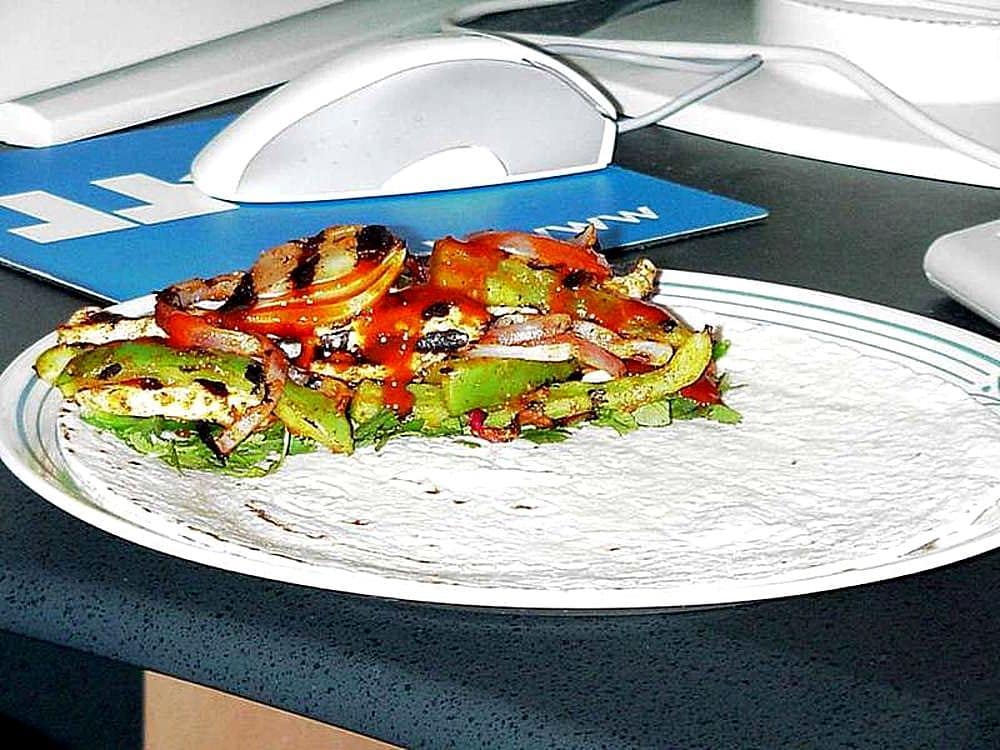
Griddle dinner ideas
Ten dinners that suit a flat top, why each works, and the technique point that makes the difference in each.

Griddle temperature chart
Temperatures for everything you cook on a flat top, the reasoning behind each, and how to check without a thermometer.
The best oils for a griddle
Smoke points compared, which oils work and which burn, and an honest look at whether branded conditioners earn their price.
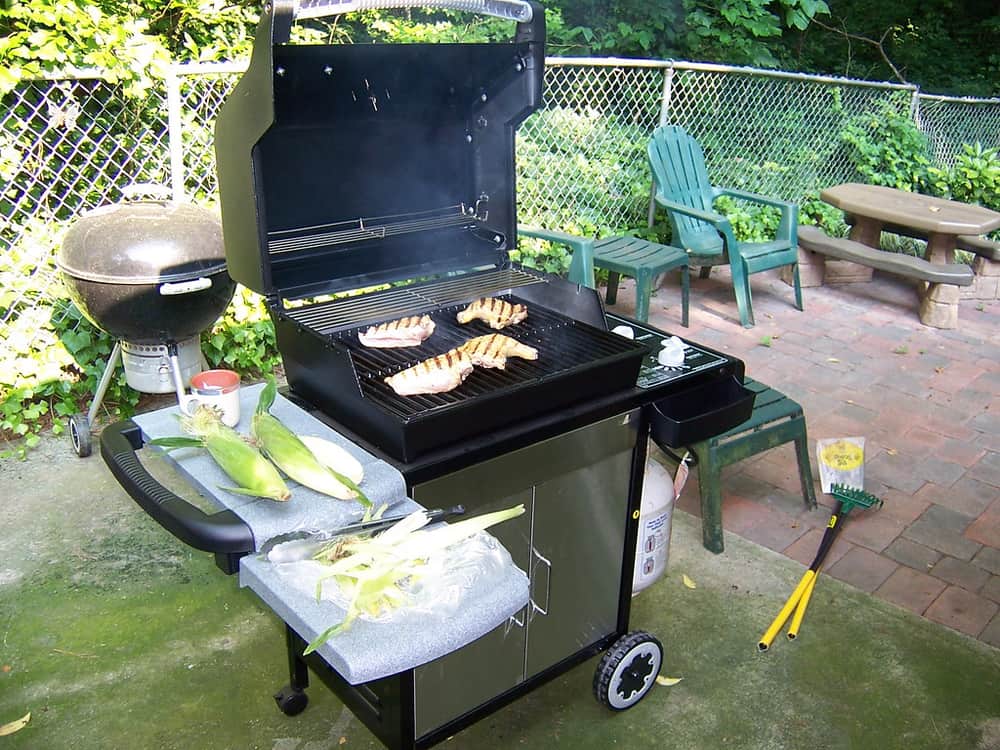
Are flat-top griddles worth it?
What a griddle genuinely wins at, what it loses at, the ongoing costs nobody mentions, and who should not buy one.