Griddle conditioners and waxes
They work. They also do nothing a bottle of grapeseed oil does not — so here is what the premium actually buys.
We earn a commission if you buy through our links, at no extra cost to you. That is how this site is paid for, and it does not decide what we recommend — full disclosure.
Quick picks
Ranked on published specifications using our scoring rubric. Tap a row for the full write-up.
| # | Product | Best for | Score | Price |
|---|---|---|---|---|
| 1 |  Griddle Seasoning & ConditionerA convenient blend, not a magic one Griddle Seasoning & ConditionerA convenient blend, not a magic one | A convenient blend, not a magic one | 7.6 | Check price on Amazon |
| 2 |  Squeeze Bottle SetOil control, which is most of the technique Squeeze Bottle SetOil control, which is most of the technique | Oil control, which is most of the technique | 8.3 | Check price on Amazon |
| 3 |  Griddle Cover (match your width)The single cheapest way to stop rust Griddle Cover (match your width)The single cheapest way to stop rust | The single cheapest way to stop rust | 8.9 | Check price on Amazon |
#ad We publish no prices: there is no verified price feed on this site, so the retailer’s page is the only price. How this is funded
What they are
Blends of oils and waxes, formulated to a high smoke point and to a viscosity that spreads easily. Sold for both seasoning and post-cook conditioning.
The chemistry is the same as any seasoning oil: heat a thin film past its smoke point, it polymerizes and bonds to the steel. There is no proprietary mechanism.
What you are actually paying for
Viscosity, which is a real benefit
The single most common seasoning mistake is applying too much oil, because thin liquid oil is genuinely hard to spread in a molecular film — it pools, and you end up wiping back repeatedly.
A conditioner formulated to a paste or gel viscosity is easier to spread thinly and evenly. For someone who has struggled with sticky, blotchy seasoning, that is a legitimate reason to buy one.
Consistency
A blend has a known smoke point, every time. A bottle of generic vegetable oil varies with refinement level and producer. Minor, but real.
Simplicity
One product for seasoning and for the after-cook wipe, with instructions on the tin. For a new griddle owner that removes decisions at the moment they are least equipped to make them.
What you are not paying for
A better finished surface. A well-applied grapeseed or canola seasoning is indistinguishable from a well-applied conditioner seasoning, because the resulting polymer is doing the same job either way.
Marketing in this category sometimes implies otherwise. It is worth being clear: this is a convenience product, not a performance product. The oils compared.
On waxes specifically
Some conditioners include waxes, which stay solid at room temperature and give a more protective film for storage.
That has a genuine use case: seasonal storage. Before a griddle sits unused for months, a heavier wax-containing coat is better protection than a thin oil film. It is not a polymerized seasoning layer and does not need to be — it is a barrier.
Heat it off and wipe it away before cooking again.
The cost comparison, honestly
A conditioner costs considerably more per application than a bottle of grapeseed oil. On a 36-inch griddle you use a meaningful amount of product per seasoning round, and three to five rounds adds up.
A reasonable approach: use a conditioner for the first seasoning, where the thin-coat technique is hardest and the stakes are highest, and plain oil for the after-cook routine, where you are wiping on a film rather than building a layer.
What actually improves your results
Squeeze bottles, which let you dose a thin line instead of a puddle, and an infrared thermometer, which tells you whether the plate is actually past the smoke point.
Together those cost less than most conditioners and address the two things that genuinely go wrong: too much oil, and not enough heat. Temperature in detail.
The picks in detail
Specifications are linked to their source on every card. Scores are ours, derived from those specifications.
#1 · A convenient blend, not a magic one
Griddle Seasoning & Conditioner
A blended conditioner is a reasonable convenience, but it does nothing a high-smoke-point oil applied thinly does not already do.
#ad We publish no prices: there is no verified price feed on this site, so the retailer’s page is the only price. How this is funded
Key specifications
- What it is
- A blend of oils and waxes with a high smoke point
- What it does
- The same polymerization any seasoning oil does
- Real advantage
- Consistency and a usable application viscosity
- Alternative
- Grapeseed, canola or avocado oil applied very thinly
- Application rule
- Thin to the point of looking dry, then heat until it stops smoking
- Common mistake
- Too much product — thick coats stay sticky and then flake
Specifications from Blackstone accessories.
Scores
- Effectiveness8.0
- Convenience8.5
- Smoke point8.5
- Value6.5
What works
- Formulated to the right viscosity, which makes a genuinely thin coat easy
- One product for seasoning and post-cook conditioning
- Removes the guesswork about smoke point
What to know
- Costs considerably more per application than a bottle of grapeseed oil
- Does not chemically do anything a suitable oil does not
- Marketed as a requirement; it is a convenience
#2 · Oil control, which is most of the technique
Squeeze Bottle Set
Two bottles — one oil, one water — are the most underrated griddle tools there are, because dosing oil by eye is how food sticks or swims.
#ad We publish no prices: there is no verified price feed on this site, so the retailer’s page is the only price. How this is funded
Key specifications
- How many
- Two minimum: oil and water
- Tip
- Narrow, so you can lay a thin line rather than a puddle
- Water bottle use
- Steam-lifting residue and steaming under a dome
- Material
- Heat-tolerant — bottles sit near a hot plate
- Caps
- Must seal; open bottles collect everything
- Label them
- Oil and water look identical in an opaque bottle
Specifications from Blackstone accessories.
Scores
- Control9.0
- Material7.0
- Sealing7.5
- Value9.5
What works
- A thin controlled line of oil is the difference between a seared crust and a fried one
- The water bottle makes daily cleanup a 60-second job
- Trivially cheap for how much technique they unlock
What to know
- Wide-tip bottles over-dose oil and defeat the purpose
- Cheap plastic deforms if left on a hot side shelf
- Oil goes rancid in a bottle left outside for months
#3 · The single cheapest way to stop rust
Griddle Cover (match your width)
The accessory that decides whether a bare-steel griddle survives its first wet season — buy it sized to your griddle's width, not approximately.
#ad We publish no prices: there is no verified price feed on this site, so the retailer’s page is the only price. How this is funded
Key specifications
- Match on
- Griddle width: 17, 22, 28 or 36 in
- Also match
- Hood vs no hood — a hood changes the height
- Critical feature
- Vents, so trapped moisture can escape
- Critical feature
- Straps or a cinch, or wind lifts it off
- What fails first
- Seams and the elastic hem
- Common mistake
- A cover that fits loosely holds water against the top
Scores
- Fit9.0
- Durability7.0
- Rust protection9.5
- Value9.0
What works
- A vented, correctly sized cover prevents more griddle deaths than any other single purchase
- Cheap relative to the surface it protects
- Works with the hard cover rather than instead of it — the hard cover keeps rain off the plate, the soft cover keeps it off the cart
What to know
- An unvented cover is worse than no cover: it traps condensation against bare steel
- Sizes are not interchangeable between brands even at the same stated width
- Covers are consumables — UV destroys them in a few seasons
Common questions
Are griddle conditioners better than cooking oil?
What is the wax in griddle conditioners for?
Should I buy a conditioner or just use oil?
Sources
Every specification on this page came from one of these. If you find one of them has changed, tell us and we will correct it.
Read next
The best oils for a griddle
Smoke points compared, which oils work and which burn, and an honest look at whether branded conditioners earn their price.
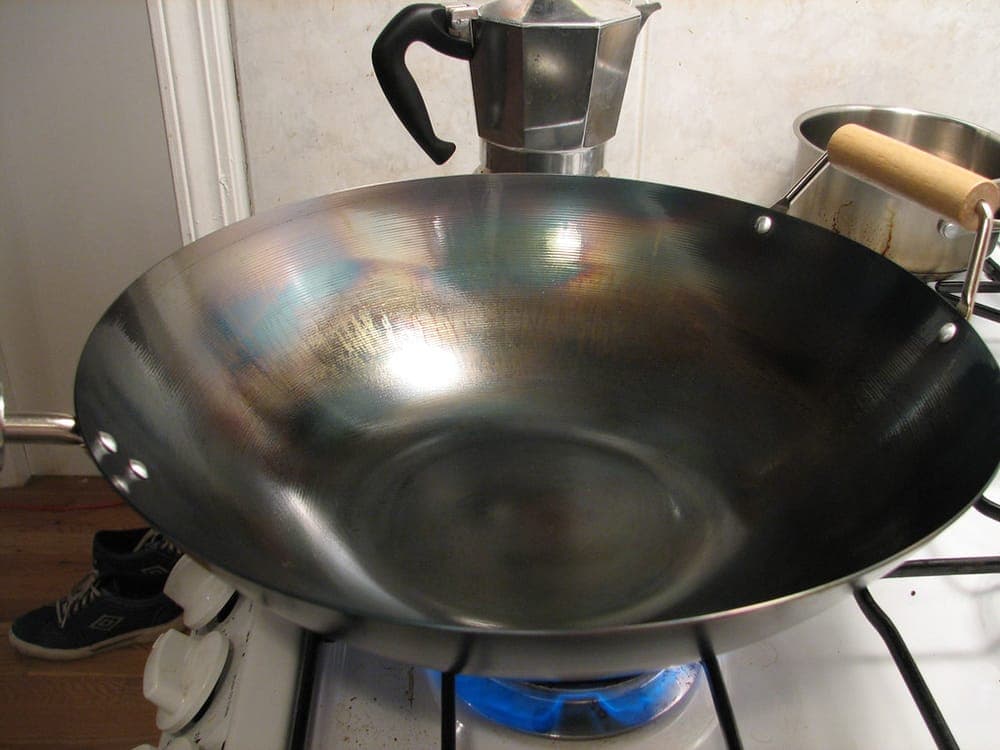
Seasoning a griddle for the first time
The complete first-seasoning process step by step, the three ways it goes wrong, and what a correct result actually looks like.
How often to season a griddle
After-cook oiling versus a full re-season: which is daily, which is rare, and the four situations that call for a reset.
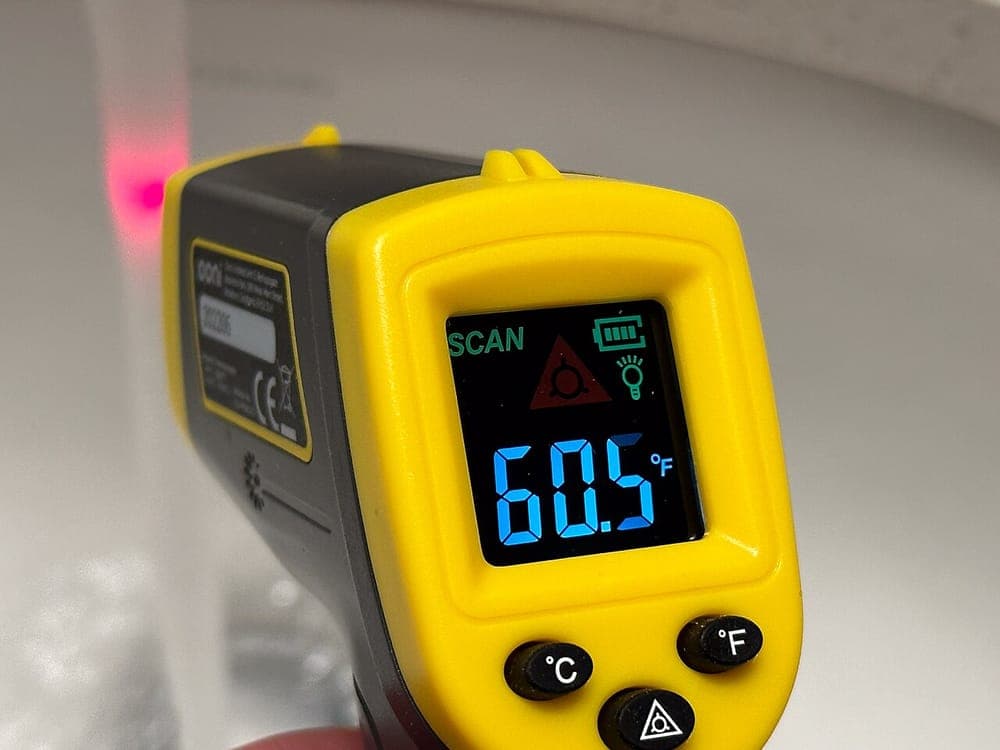
Griddle thermometers
Why infrared beats a probe for griddles, what range you need, and the emissivity error that reads bare steel low.

How to stop a griddle rusting
The oil-and-cover routine, why vents matter more than people think, and how to store a griddle over a wet season.
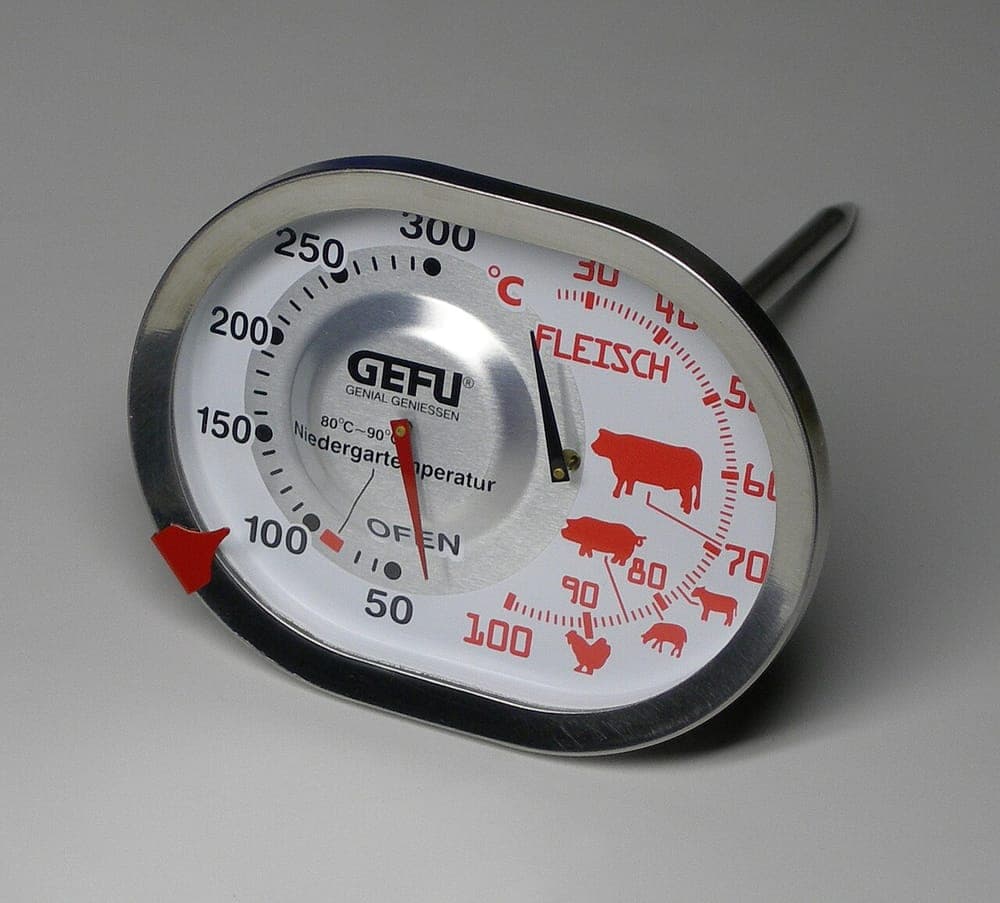
What temperature to season a griddle
Why seasoning temperature depends on your oil, the visual signal that works regardless, and how to check the whole plate.