How much propane does a griddle use?
There is an exact answer, it comes out of two published numbers, and almost nobody prints it.
We earn a commission if you buy through our links, at no extra cost to you. That is how this site is paid for, and it does not decide what we recommend — full disclosure.
Quick picks
Ranked on published specifications using our scoring rubric. Tap a row for the full write-up.
| # | Product | Best for | Score | Price |
|---|---|---|---|---|
| 1 |  Griddle Wind GuardExposed patios and coastal wind Griddle Wind GuardExposed patios and coastal wind | Exposed patios and coastal wind | 7.9 | Check price on Amazon |
| 2 |  Griddle Hard Cover / HoodRain, and roasting Griddle Hard Cover / HoodRain, and roasting | Rain, and roasting | 8.1 | Check price on Amazon |
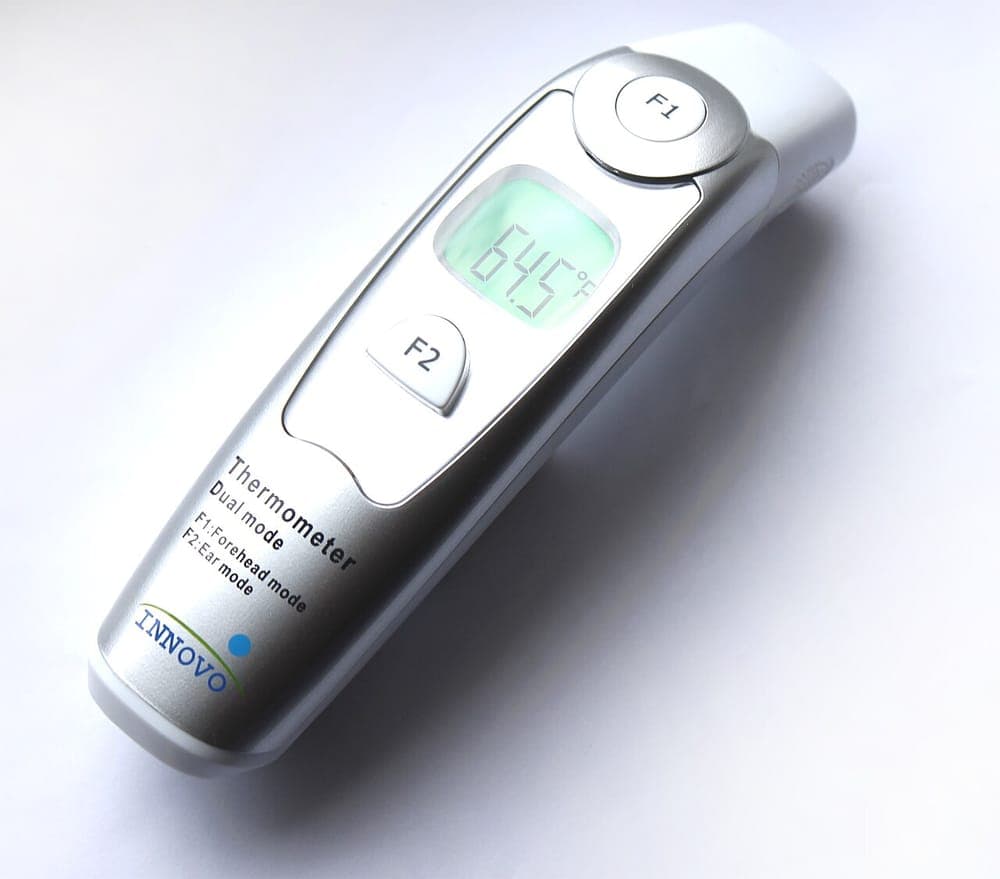
| 3 | 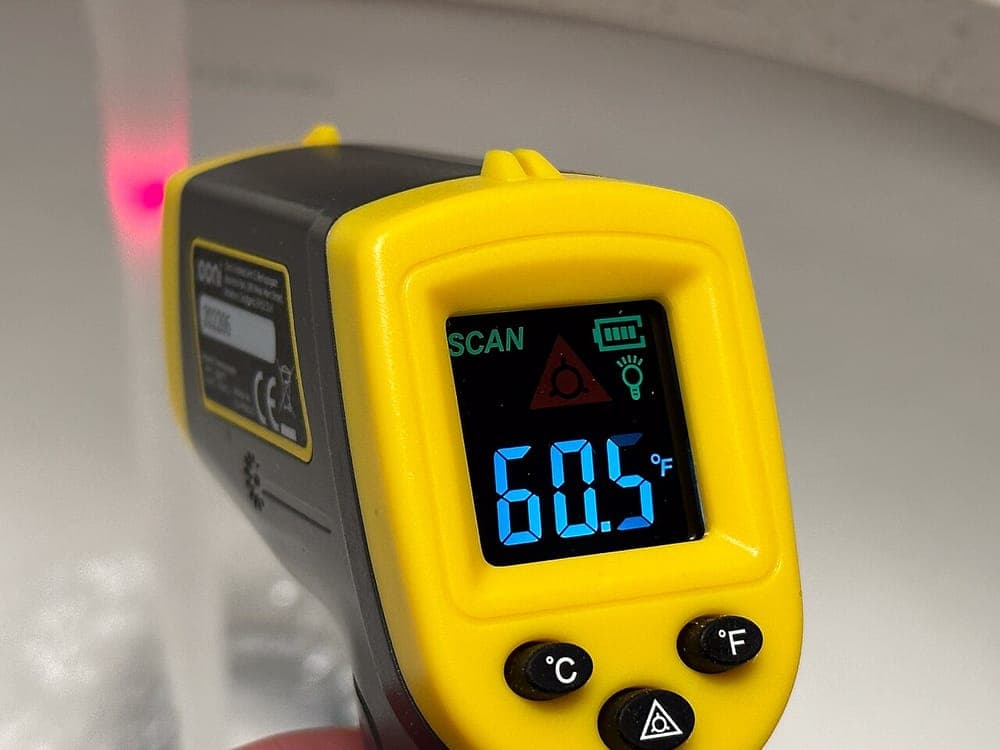 Infrared Surface ThermometerKnowing what your plate is actually doing Infrared Surface ThermometerKnowing what your plate is actually doing | Knowing what your plate is actually doing | 8.3 | Check price on Amazon |
#ad We publish no prices: there is no verified price feed on this site, so the retailer’s page is the only price. How this is funded
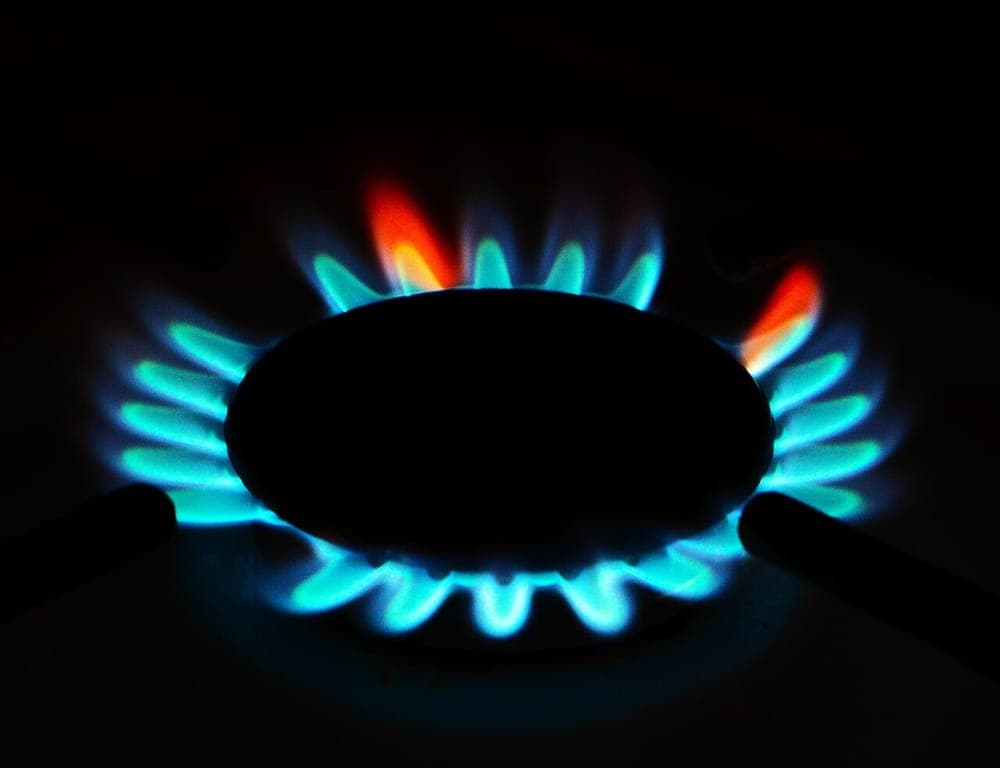
A griddle running flat out burns its total BTU rating, divided by 91,452, in gallons of propane per hour. A Blackstone 36 at 60,000 BTU is about 0.66 gal/hr — roughly an hour and a half per gallon. A Blackstone 17 at 12,500 BTU is about 0.14 gal/hr, or over seven hours per gallon. The 91,452 figure is the U.S. Energy Information Administration’s energy content for a gallon of propane, and it is the only number you need that is not already on your griddle’s spec sheet.
The arithmetic
A burner’s BTU rating is a rate: BTU per hour at full output. Propane carries 91,452 BTU per gallon. Divide one by the other and you have gallons per hour:
gallons per hour = total BTU ÷ 91,452
Invert it for run time: hours per gallon = 91,452 ÷ total BTU. Then multiply by whatever your cylinder actually holds — read that off the cylinder, since sizes and fill levels vary — and you have your real run time.
Every griddle here, at full output
| Griddle | Total output | Gallons per hour | Hours per gallon |
|---|---|---|---|
| Pit Boss Deluxe 4-Burner | 62,000 BTU | 0.68 | 1.5 |
| Blackstone 36″ Original | 60,000 BTU | 0.66 | 1.5 |
| Weber Slate 36″ | 48,000 BTU | 0.52 | 1.9 |
| Traeger Flatrock 3-Zone | 47,000 BTU | 0.51 | 1.9 |
| Weber Slate 30″ | 36,000 BTU | 0.39 | 2.5 |
| Blackstone 28″ Original | 34,000 BTU | 0.37 | 2.7 |
| Blackstone 22″ Tabletop | 21,000 BTU | 0.23 | 4.4 |
| Blackstone 17″ Tabletop | 12,500 BTU | 0.14 | 7.3 |
Every figure above is computed from the griddle’s published total output, which is sourced and linked on each product card. Nothing here is measured by us and nothing is estimated.
Why your real consumption is lower — usually by half
The table above is the worst case: every burner wide open for a full hour. Nobody cooks that way.
A realistic session is ten to twenty minutes of preheat with everything on high, then cooking with one or two zones turned down or off. If you average roughly half of total output across the cook — which is generous for most cooking — double the hours-per-gallon column. A Blackstone 28 at half output runs over five hours per gallon.
This is the practical reason burner count matters as much as it does. Four zones is not just control, it is the ability to not heat three quarters of a plate you are not using — the burner-count guide covers the rest. On a single-burner 17″, every cook heats the whole surface whether you need it or not.
Three things that waste propane
Fuel use is not fixed. Three variables move it meaningfully, and two of them have products attached.
- Wind. This is the big one. Wind strips heat off an exposed plate faster than the burners replace it, so you compensate by running higher settings for longer. A three-sided wind guard matched to the griddle’s width also stops low-setting burners blowing out — what to look for.
- Cooking with the lid up when it could be down. A hinged hood traps heat, which means melting, reheating and roasting at a lower burner setting. A hood rather than a hard cover is the version of this that pays for itself.
- Running hotter than you need. Most people cook at a higher setting than the food wants, because a knob position is not a temperature. An infrared surface thermometer turns “three quarters” into a number, and the temperature chart tells you what number you actually wanted.
Cold weather also reduces the vapor pressure in the cylinder, so a near-empty tank on a cold morning delivers less than a full one. That is a supply problem rather than a consumption one, but it looks identical from the cook’s side — see why a griddle will not reach temperature.
If you cook often, consider natural gas
A griddle you use weekly goes through cylinders, and the exchange cost of propane is the most-ignored running cost of owning one. Several models can be converted to run on a household natural-gas line instead, which removes the cylinder entirely.
It is not a universal option and it is not a casual modification — what conversion involves, and which griddles support it. Never improvise a conversion or modify a regulator: use the manufacturer’s kit for your exact model, or have it done.
The picks in detail
Specifications are linked to their source on every card. Scores are ours, derived from those specifications.
#1 · Exposed patios and coastal wind
Griddle Wind Guard
Wind is the reason a griddle that hits 500 °F in the garage struggles to hold 350 °F outside — a guard is the fix, and it is a cheap one.
#ad We publish no prices: there is no verified price feed on this site, so the retailer’s page is the only price. How this is funded
Key specifications
- Match on
- Griddle width and whether you have a hood
- Covers
- Three sides — a one-sided baffle does little
- Why it matters
- Wind strips heat off the plate faster than the burners replace it
- Also protects
- The burners from blowing out at low settings
- Material
- Stainless, or it rusts where the griddle does not
- Storage
- Should fold or clip off, or it fights the cover
Scores
- Coverage8.0
- Material7.5
- Storage6.5
- Value8.5
What works
- The cheapest real fix for 'my griddle will not get hot enough'
- Keeps low-setting burners from blowing out mid-cook
- Independent of brand if you match the width
What to know
- One more thing to remove before the cover goes on
- Mild steel guards rust and then stain the cart
- Does nothing about a griddle that is genuinely under-powered for its size
#2 · Rain, and roasting
Griddle Hard Cover / Hood
A hinged hood does two jobs a soft cover cannot: it keeps rain off the plate between cooks and it traps heat so you can roast rather than only sear.
#ad We publish no prices: there is no verified price feed on this site, so the retailer’s page is the only price. How this is funded
Key specifications
- Two types
- Hinged hood (stays on) vs lift-off hard cover
- Hood enables
- Trapped-heat cooking — roasting, melting, reheating
- Hard cover enables
- Flat storage and stacking
- Match on
- Griddle width and generation — mounts changed between model years
- Not a substitute for
- A soft cover over the whole cart
- Watch for
- Hood clearance under a low patio roof or overhang
Scores
- Weather protection8.5
- Cooking benefit8.5
- Fit6.5
- Value8.0
What works
- A hood turns a griddle into something that can finish thick food without burning the outside
- Rain protection between cooks without wrestling a fabric cover
- Makes the griddle usable in light weather
What to know
- Adds height, which matters under a low overhang and for cover fit
- Hinged hoods trap grease vapor and need their own cleaning
- Mounts are model-year specific, so a used hood may not fit
#3 · Knowing what your plate is actually doing
Infrared Surface Thermometer
The only way to know a griddle's real surface temperature — and the fastest way to find the hot spots every griddle has.
#ad We publish no prices: there is no verified price feed on this site, so the retailer’s page is the only price. How this is funded
Key specifications
- Type
- Infrared, non-contact — not a probe thermometer
- Range needed
- At least 100–600 °F
- Use
- Read several points; a griddle is never one temperature
- Limitation
- Reads surfaces, not the inside of food
- Accuracy caveat
- Shiny bare steel reads low; a seasoned plate reads true
- Pairs with
- A probe thermometer for doneness
Scores
- Usefulness9.0
- Accuracy7.5
- Range8.0
- Value8.5
What works
- Turns 'medium heat' from a guess into a number
- Finding your plate's hot spots takes about 30 seconds and changes how you cook on it forever
- Non-contact, so there is nothing to clean
What to know
- Reads surface only — it cannot tell you a burger is done
- Emissivity error on bare, shiny steel can read 50 °F or more low
- One more battery device living near a hot griddle
Common questions
How much propane does a griddle use per hour?
How long will a propane tank last on a griddle?
Does a bigger griddle use more propane?
Does wind make a griddle use more propane?
Sources
Every specification on this page came from one of these. If you find one of them has changed, tell us and we will correct it.
Read next
Griddle BTU, explained
Why total BTU is close to meaningless, how heat density reorders the category, and which griddles actually recover under load.
How many burners do you need?
What one, two, three and four zones actually buy you, why insulation matters, and the picks at each burner count.
Converting a griddle to natural gas
What a natural gas conversion really involves, the safety and warranty implications, and the models sold ready for it.
Why is my griddle not getting hot enough?
A tripped regulator, a cold cylinder, wind, an unmeasured plate: the causes in the order worth checking.
Griddle wind guards
Why wind costs you more heat than you would expect, what a guard must cover to work, and when you do not need one.
Griddle temperature chart
Temperatures for everything you cook on a flat top, the reasoning behind each, and how to check without a thermometer.