Flat top griddles for an electric stove
Which electric stove you have decides this entirely — and on the most common type, the answer is not a steel plate.
We earn a commission if you buy through our links, at no extra cost to you. That is how this site is paid for, and it does not decide what we recommend — full disclosure.
Quick picks
Ranked on published specifications using our scoring rubric. Tap a row for the full write-up.
| # | Product | Best for | Score | Price |
|---|---|---|---|---|
| 1 | 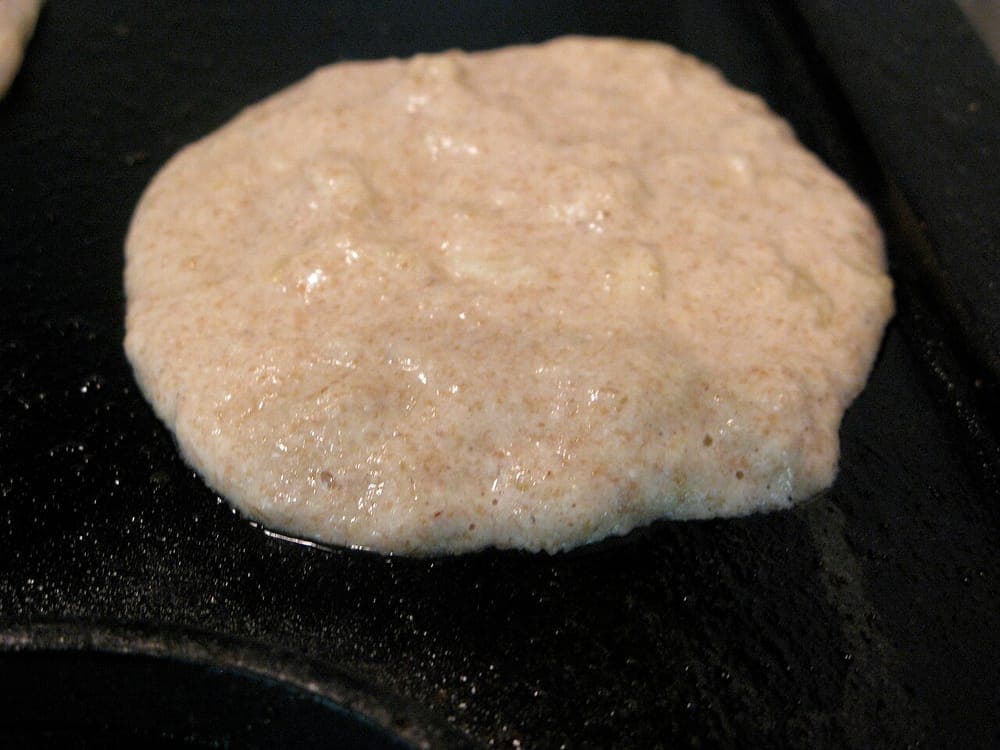 Presto 07061 Ceramic 22" Electric GriddleFamily breakfasts indoors | Family breakfasts indoors | 8.2 | Check price on Amazon |
| 2 | 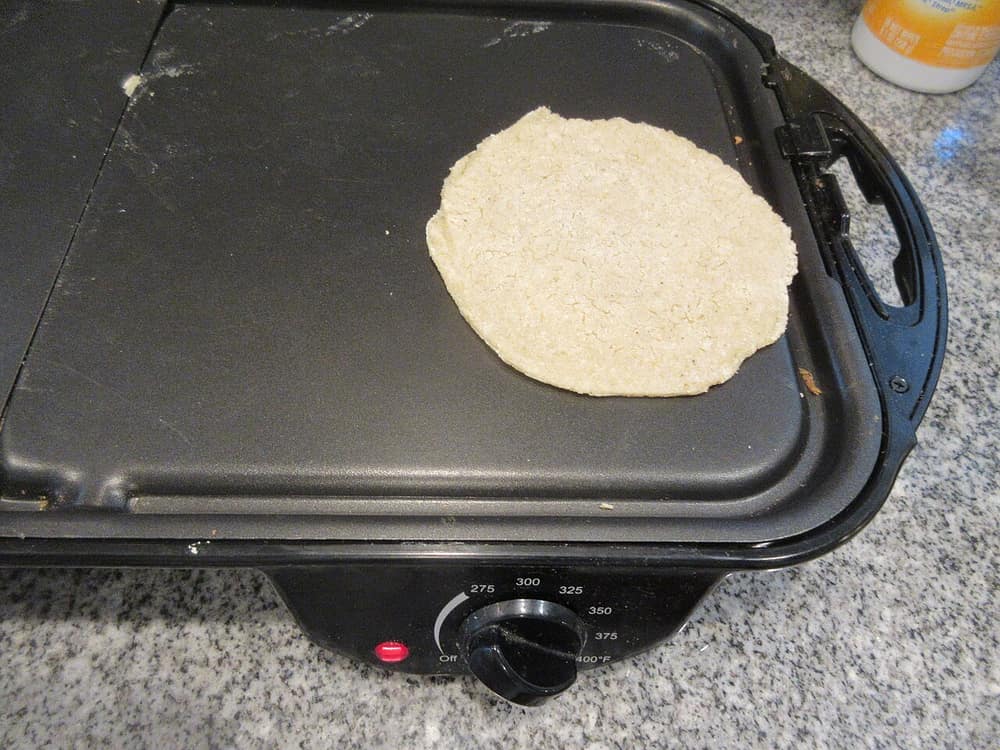 Zojirushi EA-DCC10 Gourmet SizzlerTable cooking and precise low heat | Table cooking and precise low heat | 7.9 | Check price on Amazon |
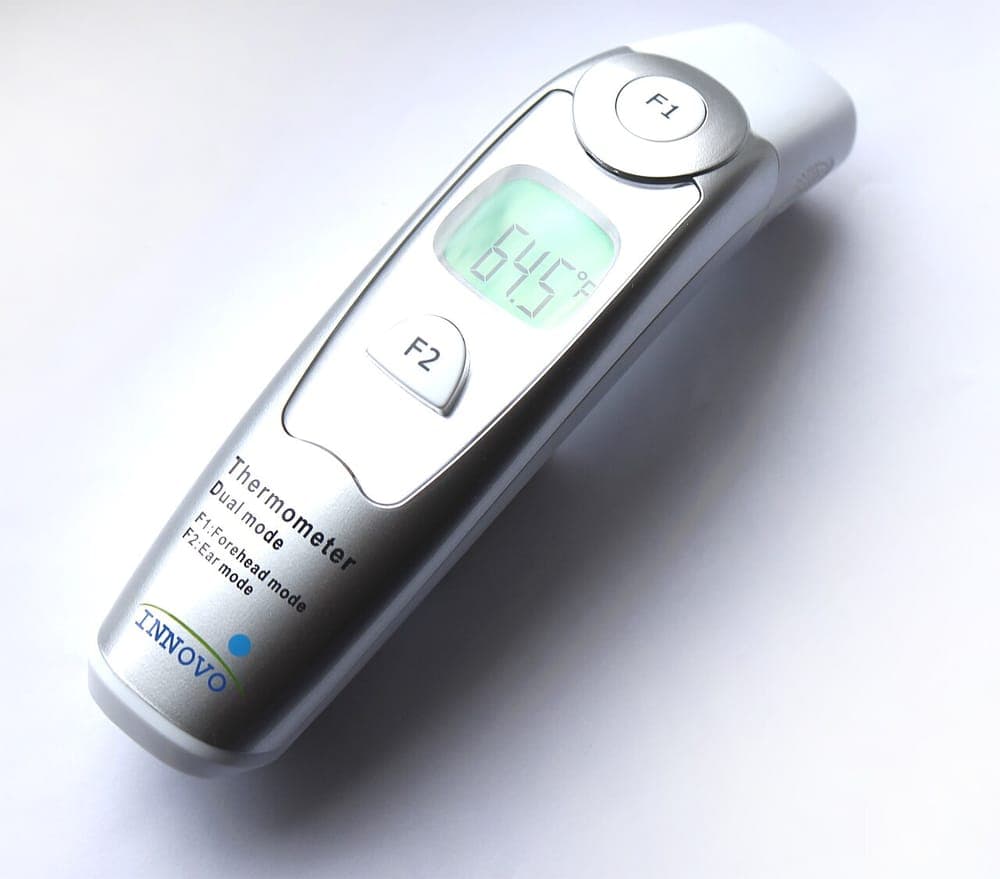
| 3 | 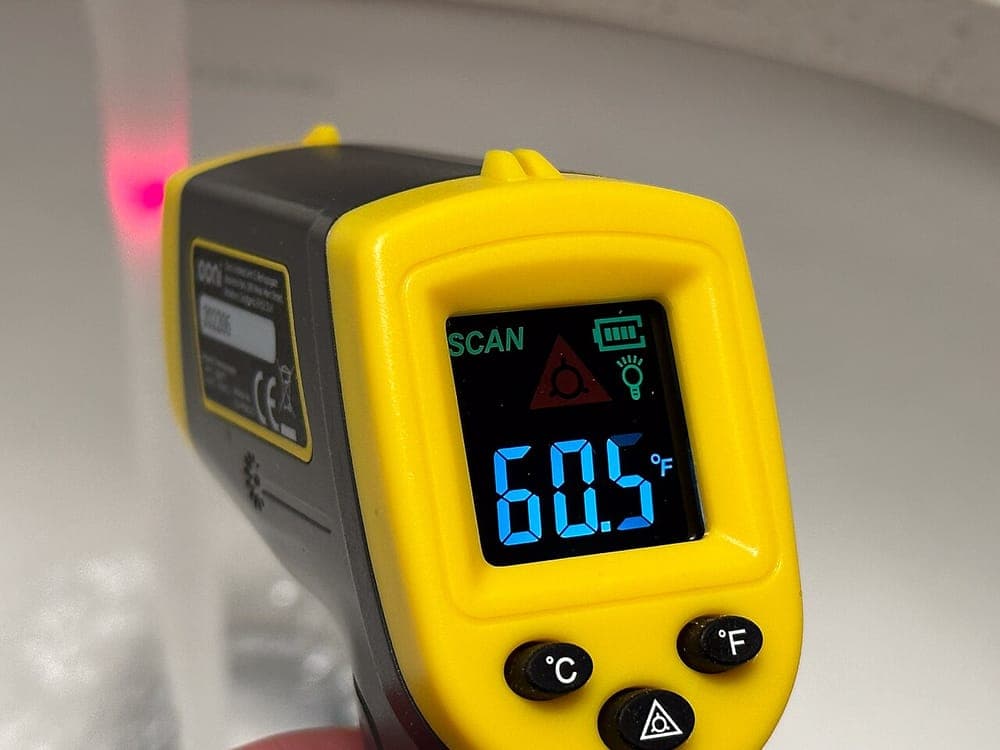 Infrared Surface ThermometerKnowing what your plate is actually doing | Knowing what your plate is actually doing | 8.3 | Check price on Amazon |
#ad We publish no prices: there is no verified price feed on this site, so the retailer’s page is the only price. How this is funded
The short answer, by stove type
“Electric stove” covers three genuinely different appliances, and they do not give the same answer. Find yours in the first column.
| Your stove | Steel flat-top plate? | What to use instead |
|---|---|---|
| Electric coil (exposed metal spirals) | Yes, if the maker rates it for coil | A range plate, or a countertop griddle |
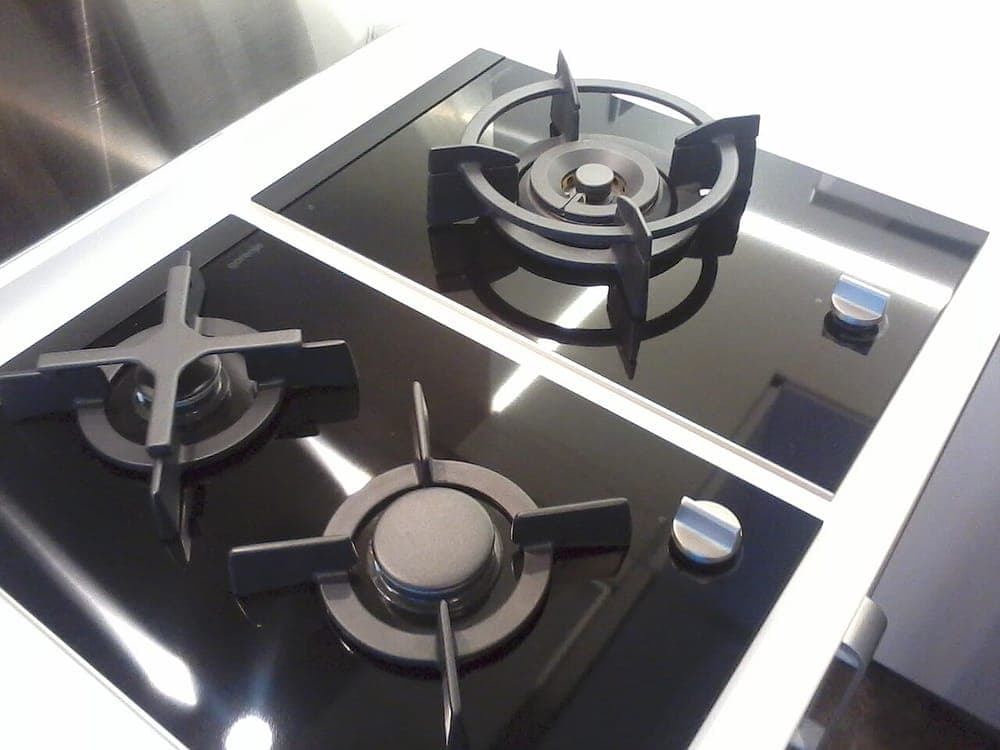
| Glass-ceramic / radiant (smooth black surface) | No | A countertop electric griddle |
| Induction (smooth, heats only magnetic pans) | No | A countertop electric griddle, or a single-zone induction-rated pan |
Most electric ranges sold in the last fifteen years are glass-ceramic or induction, which means most people asking this question should not buy a steel plate. That is not a cautious hedge — it is what the plate manufacturers themselves say, and the reason is worth understanding before you spend anything.
Why a flat top does not go on a glass-ceramic range
Three reasons, and they stack.
Weight. A range-sized steel plate weighs roughly fifty pounds and upwards, concentrated on a sheet of glass-ceramic that is engineered for cookware, not for that. Steelmade — the main maker of these plates — states plainly on its own product pages that they are not compatible with glass-top or ceramic stoves and that the weight will damage them. When the manufacturer of the thing you want to buy tells you it will break your cooktop, the discussion is over.
Heat concentration. A continuous plate spanning two radiant elements traps and spreads heat under itself in a way a pan does not, including over the glass between the elements. Unless your range has a bridge element designed to be used that way, that is thermal stress on a surface that fails by cracking.
Sliding. Glass-ceramic tops scratch, and a plate that heavy is nearly impossible to place and remove without dragging.
If you own a glass-top range and want a flat top in the kitchen, the honest route is a countertop appliance that never touches the range at all.
Induction is a different “no”
Induction does not heat a surface, it induces current in ferrous metal directly above the coil. A long plate laid across two induction zones heats only in the two circles over those coils, with cold steel between and at the ends — the opposite of what a flat top is for. The plates are not rated for induction either, and the weight objection applies to induction glass just as it does to radiant glass.
On induction, what works is a griddle pan sized to one zone and explicitly rated induction-compatible. That is a frying surface, not a flat top, and it will not do the thing people buy flat tops for.
If you have a coil range, a plate is genuinely an option
Exposed-coil ranges are the one electric stove a steel plate belongs on, and on paper it is the most capable indoor flat top there is: it inherits the range’s own output instead of being capped by a wall outlet, and a thick plate carries far more thermal mass than any countertop appliance. Stovetop griddle plates, in full covers thickness, weight and fit.
Three practical warnings before you go down that route:
- Confirm the rating, in writing, for your range. Only some plates are rated for electric coil as well as gas, and the maker asks for photos or measurements of your range before it will confirm fit. Do that first.
- Availability is poor. These are made-to-order, direct-from-maker items rather than something you add to a cart from a major retailer, and variants are frequently sold out — they were when we checked while writing this. Plan around that rather than being surprised by it.
- Extraction becomes the real limit. A hot steel plate indoors makes far more smoke than a frying pan, and a range hood that copes with the latter may not cope with the former. What is and is not safe indoors is worth reading before you commit.
The answer that works on all three: a countertop griddle
A countertop electric griddle sidesteps the entire compatibility question. It plugs into an outlet, it does not touch your range, and it works identically whether the stove behind it is coil, glass or induction. For the great majority of people searching for a flat top for an electric stove, this is the purchase that actually solves the problem.
What you need to know going in is the ceiling. A standard US outlet limits these to roughly 1500 watts, which is about 5,100 BTU per hour equivalent — a fraction of what an outdoor propane griddle delivers. That single number explains everything about what a countertop griddle is good and bad at:
- Good: pancakes, eggs, French toast, bacon, grilled sandwiches, quesadillas, anything cooked at a moderate temperature where even heat matters more than peak heat.
- Not good: smash burgers and steak. Searing needs the plate to stay hot when cold food lands on it, and 1500 watts cannot put heat back fast enough. The honest version of electric smash burgers.
Within that envelope they are genuinely good appliances, and two things separate a good one from a poor one: how evenly the base spreads heat, and whether the thing is actually easy to clean and store. Both picks below are chosen on exactly that.
What to look for on the spec sheet
- Wattage, which is effectively fixed. 1350 to 1500 W is the whole range available on a domestic outlet. Treat anything claiming dramatically more as a measurement of something else.
- Base construction. Heavy cast aluminum spreads heat far better than thin stamped metal. This is where cheap griddles reveal themselves — as a cold stripe down the middle.
- Surface type. Ceramic and multi-layer non-stick both work; both are wear surfaces that will not outlive a steel plate. If PFAS-free matters to you, it is stated on the listing — the Presto’s textured ceramic is.
- Immersibility. Whether the whole griddle can go in the sink once the heat control is unplugged. This is the single biggest day-to-day difference between owning one and resenting one. Cleaning a coated griddle without wrecking the coating.
- Storage. A 22-inch griddle has to live somewhere. Detachable handles are not a gimmick; they are the difference between a cupboard and a basement.
- Low-end control. Most electric griddles bottom out far higher than their dial suggests, which matters if you want to hold food warm rather than keep cooking it.
Why a thermometer is on this list
Electric griddle dials are marked in degrees and are frequently not accurate, and the thermostat cycles the element on and off around a setpoint rather than holding it. The number under your food is not the number on the dial.
An infrared thermometer costs little, reads the plate in a second and turns the dial into a known quantity — and it is the one accessory from the outdoor griddle world that transfers indoors completely. What the dial actually means and the temperature chart to aim at. Most of the rest of the outdoor accessory list does not transfer: steel spatulas and scrapers will cut a coated plate, so use the plastic or silicone equivalents. The accessories worth buying flags which items are surface-safe.
Ventilation, which nobody plans for
Any flat top indoors produces smoke, because the technique involves fat on a hot surface. Running the hood on high, opening a window and keeping the plate at the lowest temperature that does the job are not refinements; they are the difference between cooking indoors happily and setting off a smoke alarm every weekend.
Cooking bacon or anything fatty? Expect genuine smoke regardless of which route you took above.
When the real answer is “go outside”
If what you actually want is the thing a flat top is famous for — a hard sear, smash burgers with a lacy crust, cooking for six at once — no indoor electric option delivers it, and buying one hoping it will is the most common disappointment in this category.
A modest propane griddle outdoors will outperform any countertop electric on those jobs by a wide margin. Electric against gas, worked through is the comparison to read, and if you are weighing a small cart griddle, the two Traeger Flatrock sizes shows how much surface and heat the entry size of a high-heat line actually gives you.
Keep the countertop griddle for breakfast, where it is not a compromise but the better tool. Why pancakes are the one cook electric wins.
What we cannot tell you
We have not tested these in a lab and this site has no test kitchen, so we make no claims about how evenly a particular unit holds temperature across its plate or how a coating wears after two years. Every specification here comes from the manufacturer or a retailer listing, linked below.
What we can tell you is the part that does not change: which stove types can take a plate, why, and what the 1500-watt ceiling rules out. The rubric behind the picks is at how we choose.
The picks in detail
Specifications are linked to their source on every card. Scores are ours, derived from those specifications.
#1 · Family breakfasts indoors
Presto 07061 Ceramic 22" Electric Griddle
A 1500 W, 22-inch ceramic griddle whose handles come off so it fits a standard 18-inch cabinet — the storage problem solved properly.
#ad We publish no prices: there is no verified price feed on this site, so the retailer’s page is the only price. How this is funded
Key specifications
- Power
- 1500 W
- Surface
- 22 in, PFAS-free textured ceramic
- Base
- Heavy cast aluminum
- Cleaning
- Fully immersible with the heat control removed
- Storage
- Detachable handles; fits most 18 in cabinets
- Control
- Control Master automatic heat control
Specifications from Walmart listing.
Scores
- Cooking area6.0
- Heat output4.0
- Zone control3.0
- Surface care8.5
- Portability8.0
What works
- The detachable handles are not a gimmick — storage is the reason most electric griddles end up in a basement
- Fully immersible once the control is off, which no gas griddle can offer
- PFAS-free ceramic rather than a conventional non-stick coating
What to know
- 1500 W is the ceiling for a standard US outlet — no electric griddle sears like a propane one
- Ceramic is a wear surface; it will not outlive a steel top
- Cast aluminum spreads heat well but holds far less of it than 10-gauge steel
#2 · Table cooking and precise low heat
Zojirushi EA-DCC10 Gourmet Sizzler
1,350 W over a 19 × 12½-inch titanium-ceramic plate with a Keep Warm setting at 176 °F — built for cooking at the table, not for searing.
#ad We publish no prices: there is no verified price feed on this site, so the retailer’s page is the only price. How this is funded
Key specifications
- Power
- 1,350 W at 120 V
- Cooking surface
- 19 × 12½ in
- Overall
- 23⅝ × 15 × 4⅜ in
- Surface
- Titanium- and ceramic-enhanced triple-layer non-stick
- Heat range
- Keep Warm (176 °F) to 425 °F
- Cleaning
- Fully immersible body guard and cooking plate
Specifications from Zojirushi product page.
Scores
- Cooking area4.5
- Heat output3.5
- Zone control5.0
- Surface care9.0
- Portability7.5
What works
- A real 176 °F Keep Warm setting — most electric griddles bottom out far higher
- Triple-layer titanium-ceramic coating is more durable than single-layer non-stick
- Designed to live on the table, which is a genuinely different use case from a counter appliance
What to know
- 1,350 W is lower than the Presto's 1500 W, and the 425 °F ceiling is low for searing
- 237 sq in of surface is small for a family
- Priced as a premium appliance for performance that is deliberately gentle
#3 · Knowing what your plate is actually doing
Infrared Surface Thermometer
The only way to know a griddle's real surface temperature — and the fastest way to find the hot spots every griddle has.
#ad We publish no prices: there is no verified price feed on this site, so the retailer’s page is the only price. How this is funded
Key specifications
- Type
- Infrared, non-contact — not a probe thermometer
- Range needed
- At least 100–600 °F
- Use
- Read several points; a griddle is never one temperature
- Limitation
- Reads surfaces, not the inside of food
- Accuracy caveat
- Shiny bare steel reads low; a seasoned plate reads true
- Pairs with
- A probe thermometer for doneness
Scores
- Usefulness9.0
- Accuracy7.5
- Range8.0
- Value8.5
What works
- Turns 'medium heat' from a guess into a number
- Finding your plate's hot spots takes about 30 seconds and changes how you cook on it forever
- Non-contact, so there is nothing to clean
What to know
- Reads surface only — it cannot tell you a burger is done
- Emissivity error on bare, shiny steel can read 50 °F or more low
- One more battery device living near a hot griddle
Common questions
Can you use a flat top griddle on an electric stove?
Will a griddle crack a glass-top stove?
What is the best indoor flat top for an electric stove?
Why can't an electric griddle sear like a propane one?
Can I put a griddle across two burners on an induction cooktop?
Sources
Every specification on this page came from one of these. If you find one of them has changed, tell us and we will correct it.
Read next
Stovetop griddles
Steel plates for gas and electric coil ranges: thickness, weight, what fits, and why ventilation becomes the real limit.
The best indoor electric griddles
Indoor griddles compared, why smoke rather than power is the real limit, and how to cook flat-top food in a kitchen.
Electric griddle temperature control
How electric griddle thermostats actually work, why the plate swings around the set point, and which temperatures to use.
Can you use a propane griddle indoors?
The unambiguous answer, the reasoning behind it, the edge cases people ask about, and what to use instead.
Electric vs gas griddle
1500 watts against 34,000 BTU — what the gap means in practice, and the things electric genuinely does better.
How to clean an electric griddle
Why coated electric griddles need the opposite routine to steel ones, what is immersible, and what permanently damages them.